A classroom lesson built around hard choices
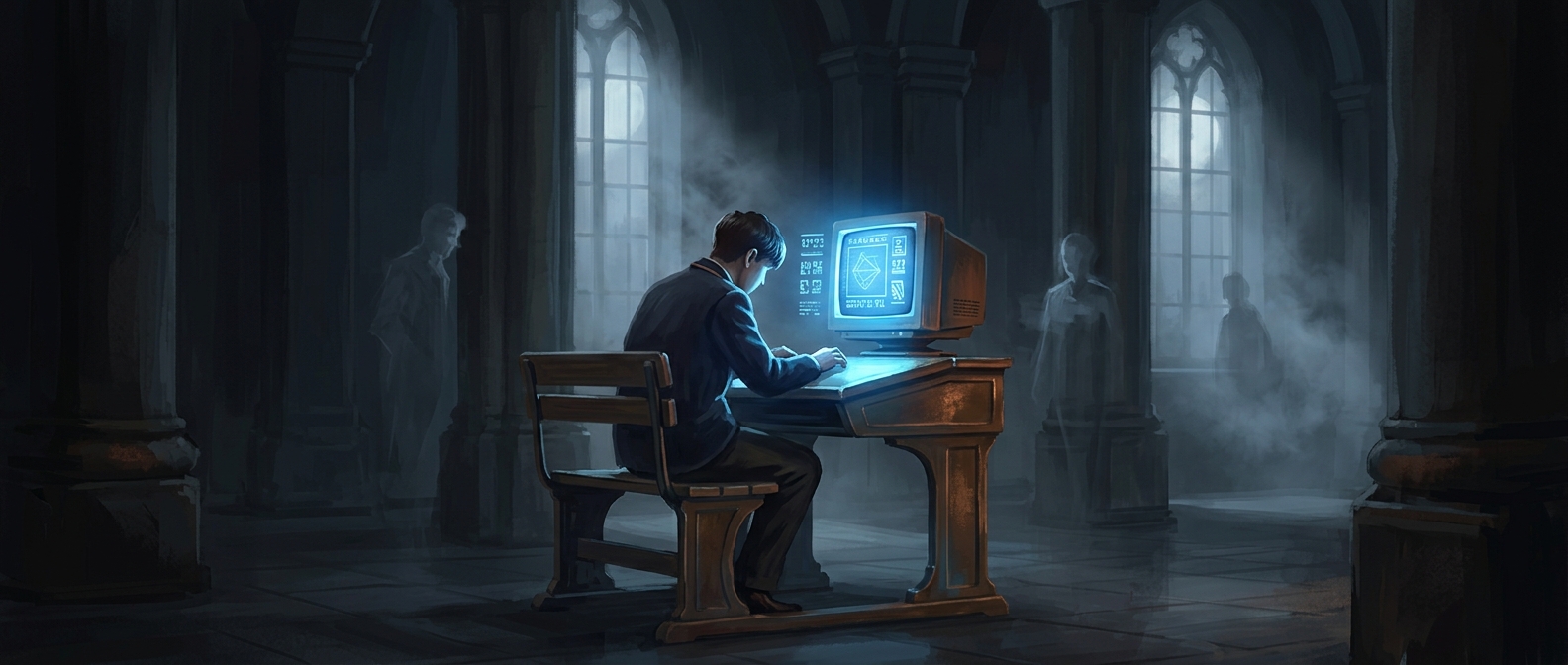
The original Oregon Trail was not designed as a conventional arcade game. Its creators—three student teachers—made it as an educational simulation, a kind of classroom model in which players learned by making decisions and seeing what followed. On a mainframe, students took turns at a shared terminal, guiding a wagon party across the continent rather than watching a story unfold on screen.
The central design problem was how to make a history lesson feel consequential. Players had to manage supplies and judge risks: travel faster and the party might cover more ground, but at greater cost to its health and provisions; stop to rest or hunt and time would pass. The journey became a chain of tradeoffs, not simply a route from one place to another.
Why failure became the lesson
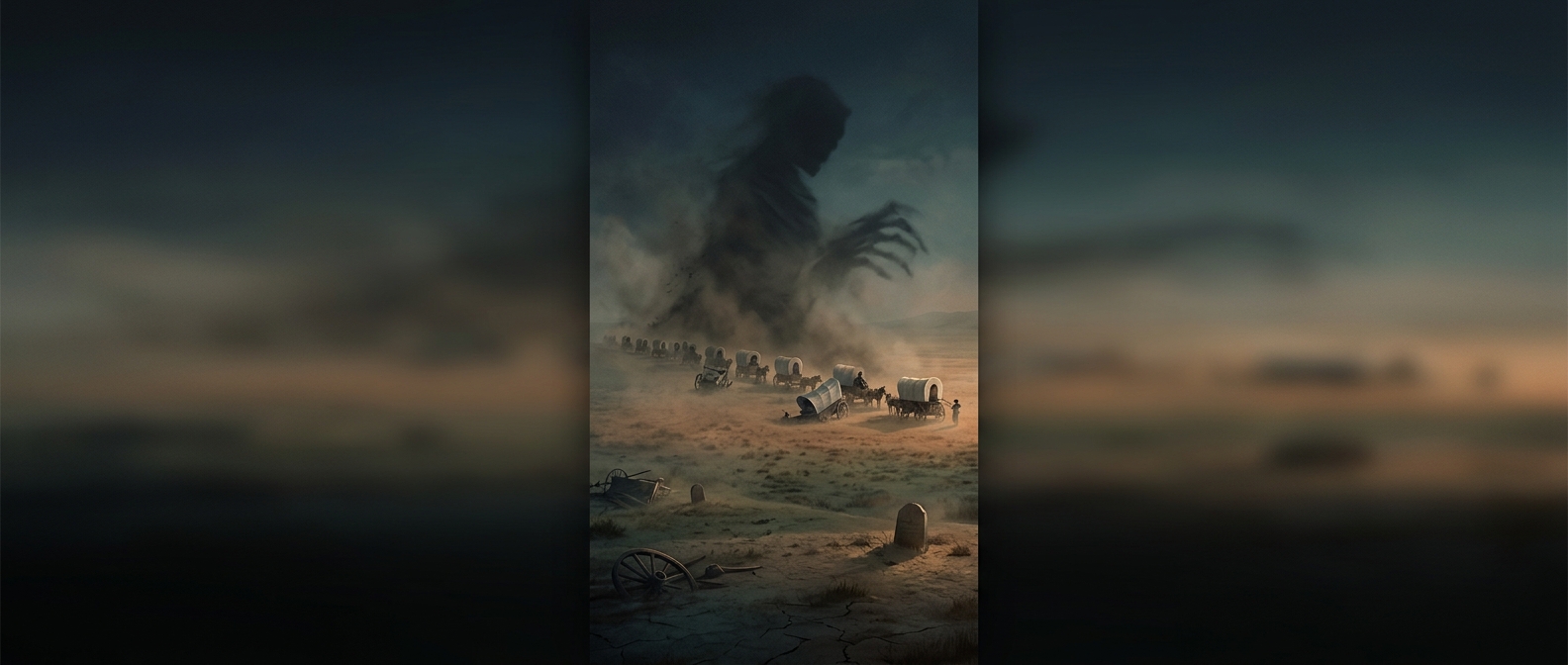
The simulation’s hazards gave those choices weight. A river crossing could turn dangerous depending on how the party tried to cross, while illness or injury could leave travelers unable to continue. When a member of the virtual family died, the loss was abrupt—and memorable. The game made the costs of travel legible through outcomes players could not easily shrug off.
That structure also made the game useful in a classroom. Students could compare decisions, discover that a seemingly sensible plan carried risks, and try again with a different strategy. The point was not to guarantee survival but to make the conditions of overland travel tangible through play.
From shared computer to home screens
The later versions popularized in the 1980s and ’90s carried that basic design into schools and homes, even as the presentation changed. Their enduring tension came from the same mechanism as the original: players had enough control to feel responsible, but never enough to remove uncertainty. A family might be carefully provisioned and still face a fatal illness or a river that could not be crossed safely.
That is why the game’s disasters became part of its classroom reputation. They were not random decoration around a history lesson; they were the feedback that made each decision matter.