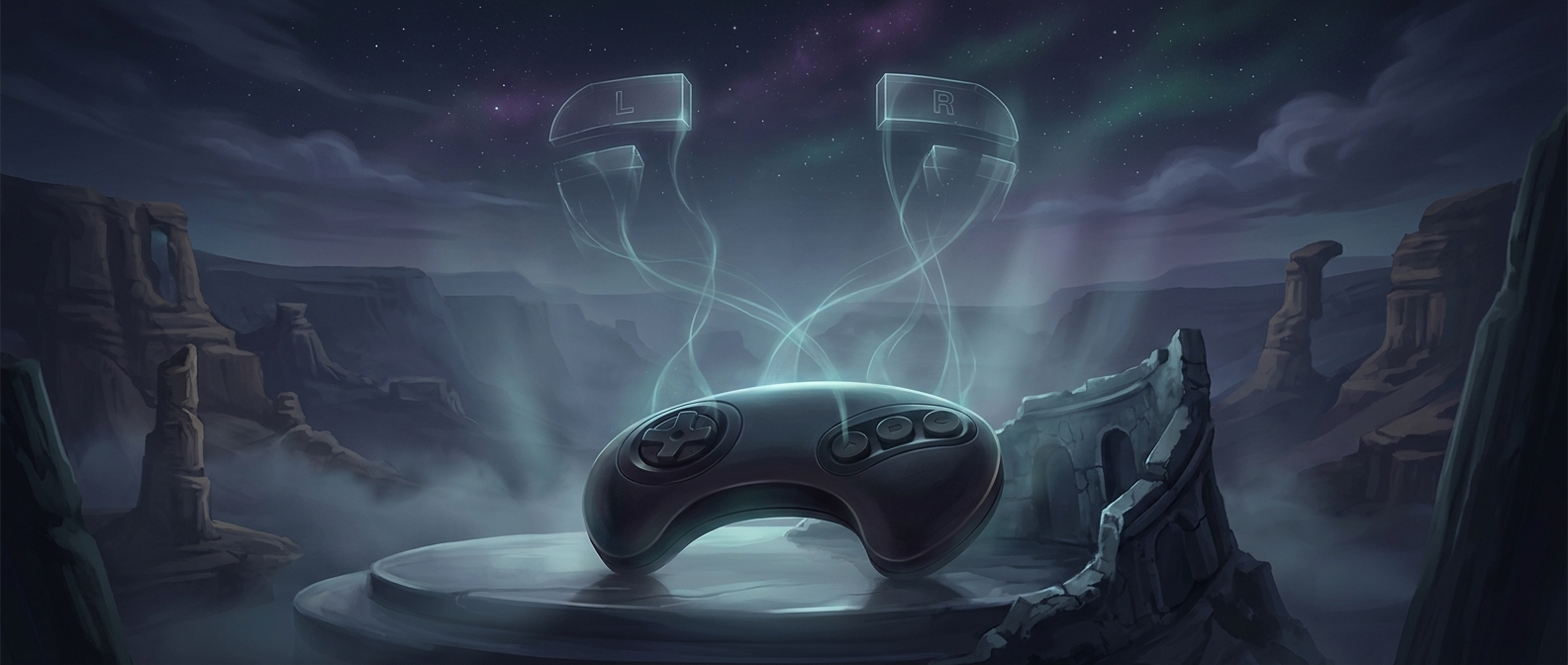
More buttons gave games more kinds of actions
Early game controls could get by with a small vocabulary: move, jump, and perform one main action. As games added distinct moves, weapons, menus, and character abilities, asking players to trigger everything with one button—or awkward combinations—became a design constraint. Adding buttons let a game assign separate actions to separate fingers, making them easier to call on quickly.
A controller is a map of the game
A button does more than add an option; it tells the player what kind of action the game expects. In a fighting game, for example, separate buttons can trigger different attacks, so players can choose a move directly instead of cycling through one action or memorizing a complicated sequence. More inputs can also support richer play without requiring the character to stop moving while the player changes equipment or selects an ability.
That convenience has a cost. Buttons packed too closely can be hard to distinguish by touch, and a larger set takes longer to learn. Designers therefore have to decide which actions deserve their own controls and which can share a button, appear only in a menu, or depend on context.
The layout changes what a game can ask of you
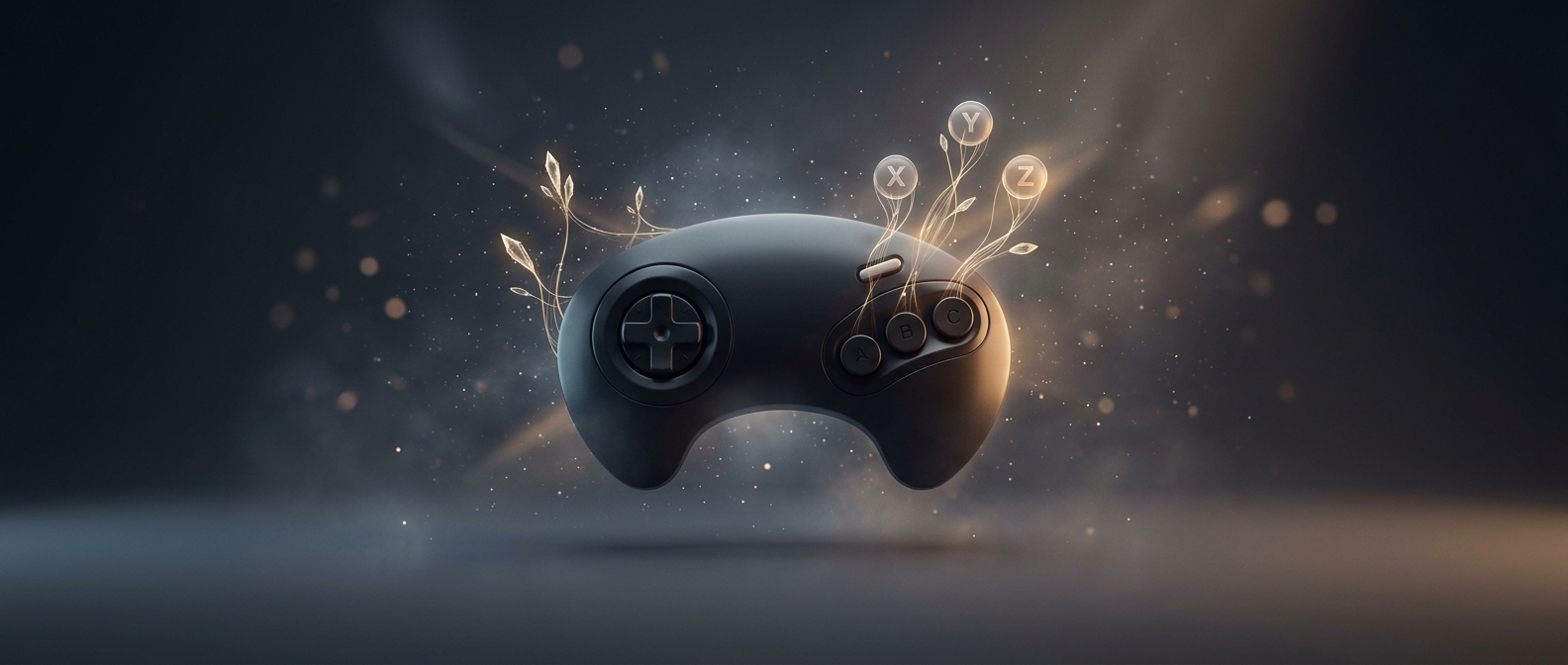
The shift from a few primary inputs toward six was not simply a race to add hardware. It reflected a growing expectation that a controller could offer several immediately available actions. Each extra button expands the game’s control vocabulary—but only if players can find and use it without losing track of the action. That tradeoff is why button layout is part of game design, not just a matter of fitting more plastic onto a pad.