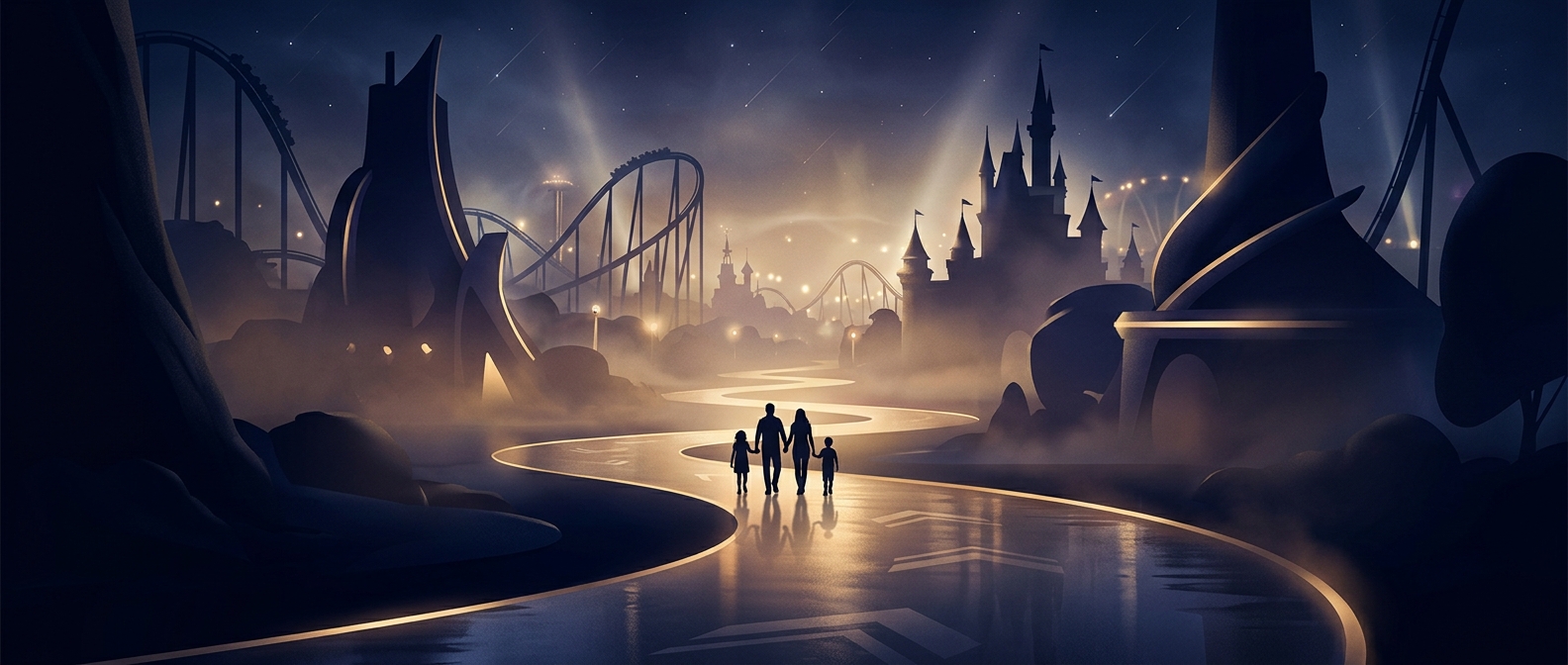
Why a day at a theme park adds up in footsteps
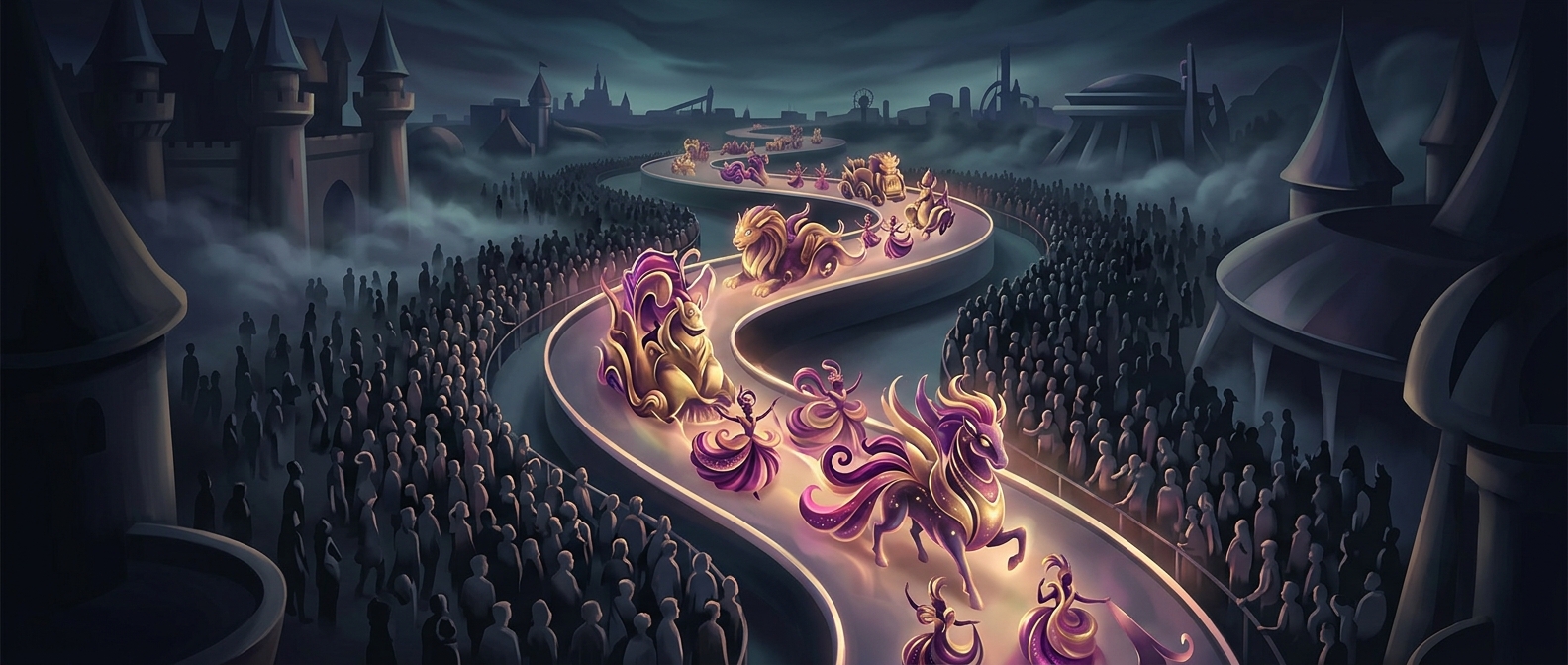
A theme park is built as a chain of destinations, not a single place where visitors settle in. A ride, a show, a meal, and another attraction may each sit in a different area, so getting to the next experience means crossing paths and open plazas. The route is rarely a straight line: themed scenery, winding walkways, and crowd-control paths shape how people move through the park. Visitors may also double back when plans change or a favorite attraction calls them across the grounds again.
The total is easy to underestimate because the walking comes in short, purposeful stretches. Instead of setting out for exercise, visitors head toward something they want to do. A map, a meeting point, or the next scheduled show turns each walk into part of the outing; the distance is spread across the day rather than felt as one long trek.
The reward changes how effort feels
At work, stairs can feel like an interruption: they take effort but do not necessarily bring an immediate payoff. At a park, the walk is attached to anticipation. Each stretch promises a ride, a performance, food, or time with companions. That does not make hot pavement or tired feet disappear, but it can make the effort seem worth repeating.
The result is a kind of exercise visitors may not think of as exercise. The park’s layout supplies the distance, while the attractions supply reasons to keep moving. By the time the day ends, the miles have accumulated one desired destination at a time.