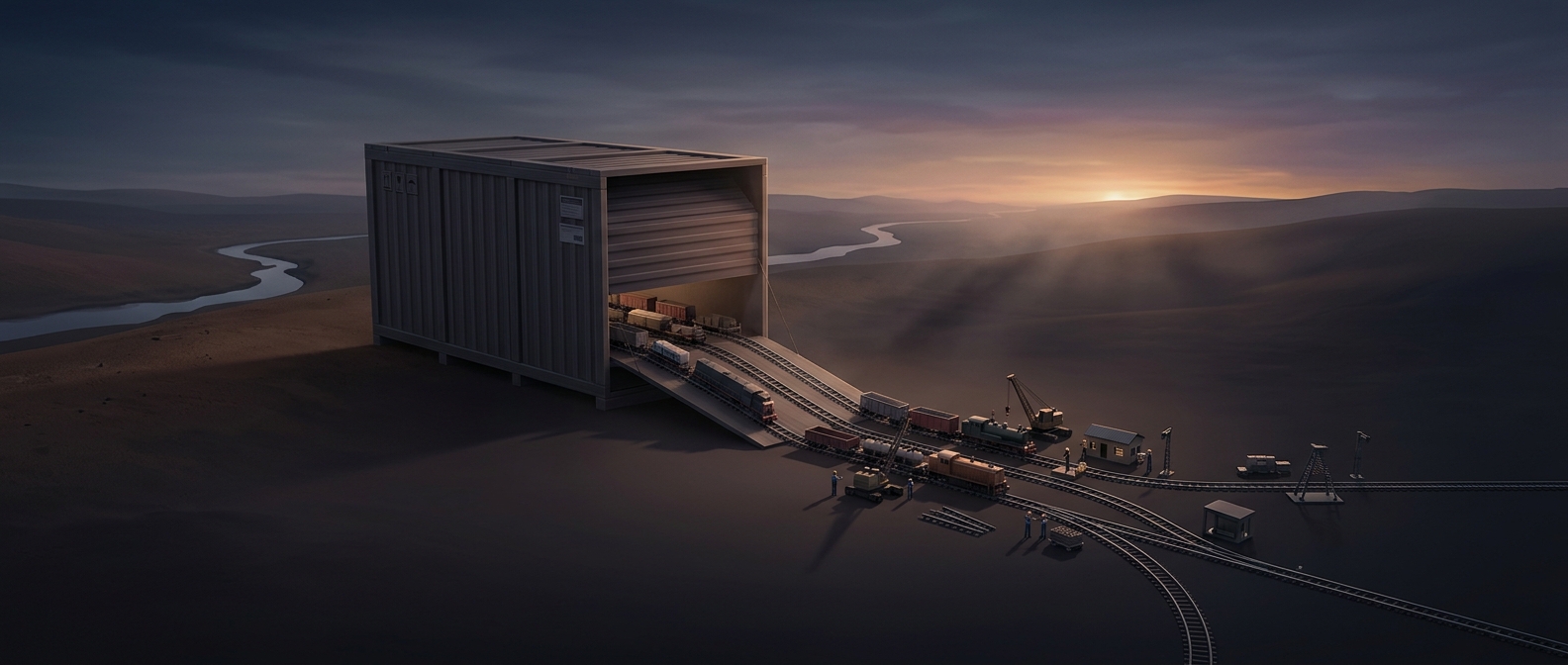
A railway had to arrive before it could carry anything
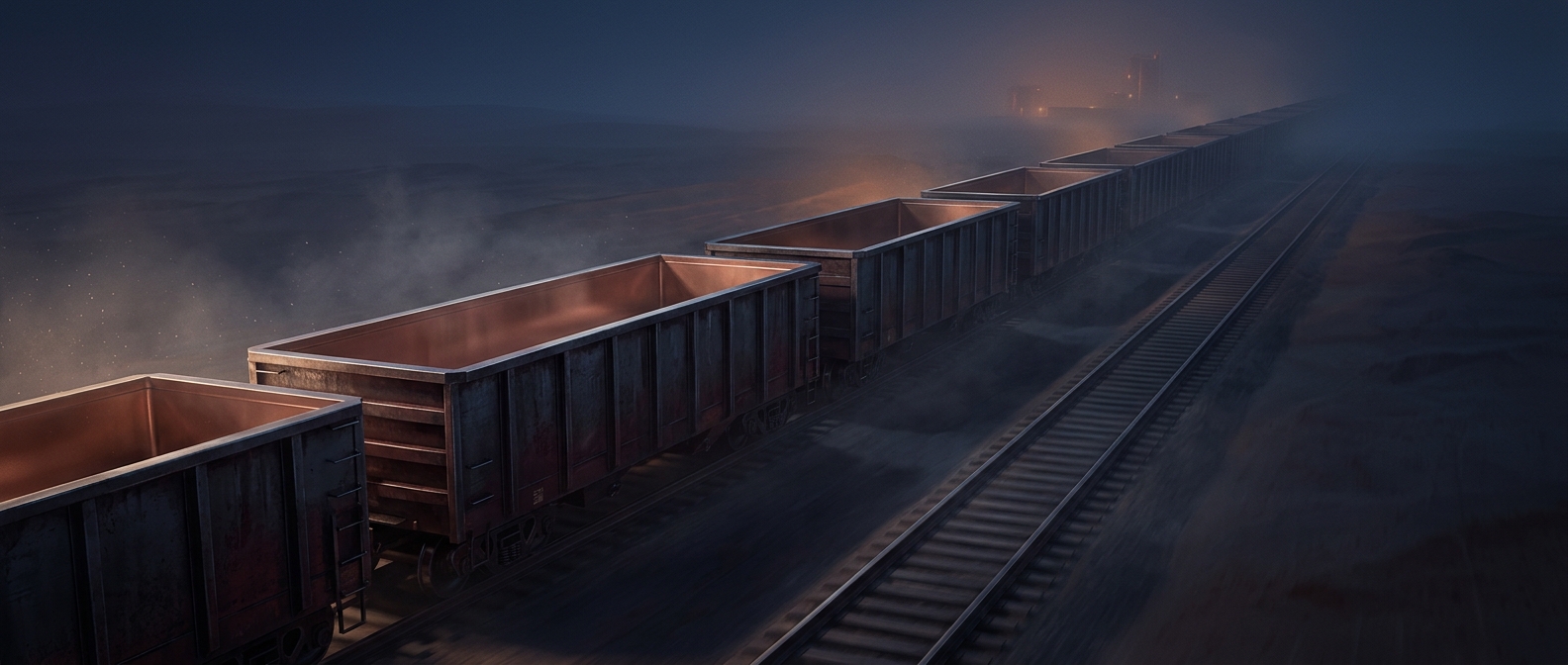
A new railway faced a practical puzzle: the materials needed to build it had to reach places the railway did not yet serve. Builders therefore moved components by whatever routes already existed—ships, canals, roads, or older rail lines—and brought them to the construction site in manageable loads. In remote or difficult terrain, the last stretch could be slow and costly.
The work site became the end of the supply line
Crews laid sleepers—the crosswise supports beneath the rails—then positioned and fastened the rails on top. They also prepared the ground and added ballast, the layer of crushed stone that helps hold the track in place and drain water. Each completed stretch extended the route, creating a new point from which supplies and workers could move farther along the line.
That sequence made construction a moving operation, not simply a matter of delivering a finished railway. Materials had to be unloaded, sorted, and assembled where the track was going, while the unfinished route itself gradually became useful for carrying more building supplies.
A route built in pieces
The method suited railway construction because track is inherently sectional: rails and supports can be transported separately and joined on site. It also exposed the central tradeoff. Shipping components was more practical than moving an entire finished line, but it demanded labor, coordination, and access to a supply route before the new railway could provide one.
The first usable track was therefore more than the start of passenger or freight service. It was also a tool for building the next stretch.