Why the banknote bridges were invented
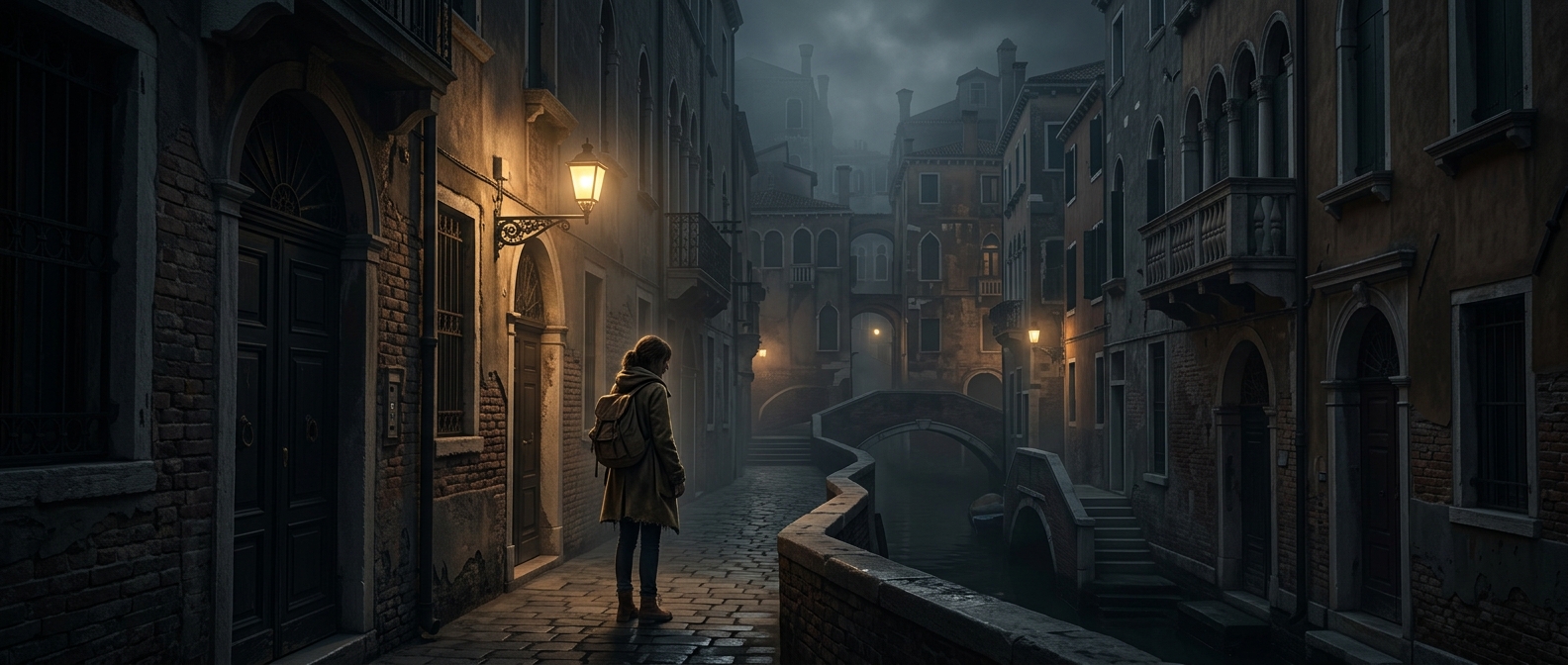
Euro banknotes needed images that could feel European without making one country’s monuments seem more important than another’s. The solution was to show bridges and windows in broad architectural styles rather than depict famous, identifiable buildings. The bridges suggest different periods of European design, but none was meant to point to a particular place.
That choice made the images politically even-handed—and left them free for anyone to imagine as real. The banknotes turned the bridges into familiar symbols even though travelers could not go looking for them on a map.
Spijkenisse gave the drawings a destination
The Dutch town of Spijkenisse took the idea in the opposite direction: it built replicas of the bridges shown on the notes. What had been deliberately placeless illustrations became structures in a specific town, where people could encounter them as part of the everyday landscape.
The transformation is a neat reversal of the original design logic. The bridges were invented so no country could claim them; later, one town made them tangible. A banknote image meant to belong to Europe in general now has a place visitors can actually seek out.