Why a Quiz Show Puts an Expert in the Opponent’s Seat
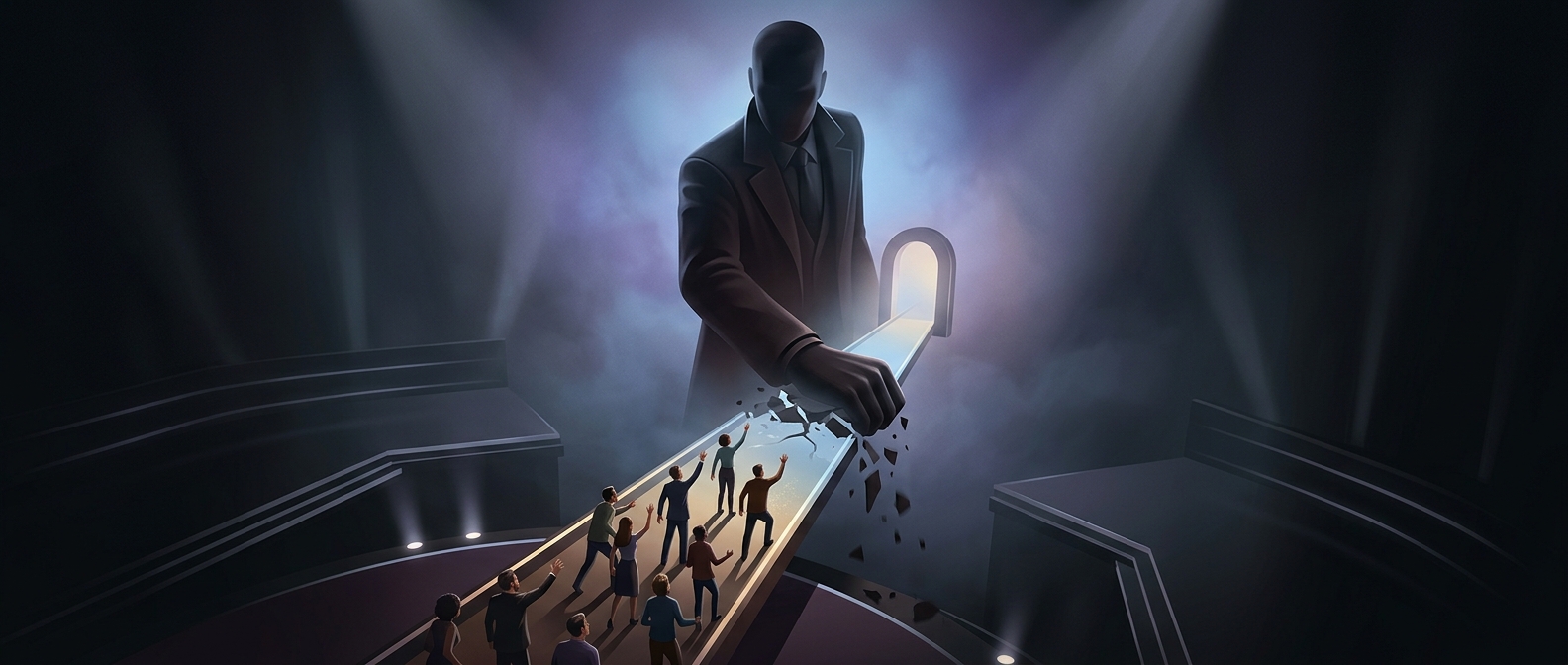
A chaser changes the contestant’s task from answering questions well to answering them well enough to survive a direct contest. The expert is not just a source of difficult trivia: their presence gives every correct answer an immediate consequence. A contestant can know plenty and still feel the pressure of having a highly practiced rival closing the gap.
Knowledge Is Only Part of the Advantage
Professional quizzers build broad recall by repeatedly learning and retrieving facts across many subjects. That matters on a show because questions arrive quickly, leaving little time to reason from scratch. Familiarity helps an expert recognize a name, date, or connection and produce an answer before uncertainty can slow them down.
Competitive ranking adds another layer. The chasers are presented not as interchangeable authorities but as rivals with reputations to defend. That makes their role legible to viewers: the contestant is facing a formidable individual, not an abstract pile of hard questions.
The Expert Makes the Contest Visible
For producers, a skilled opponent turns knowledge into drama. The audience can track a contest between two people, feel the threat of a comeback, and see how a contestant’s decisions affect the outcome. The chaser’s expertise supplies the pressure; the contestant’s performance supplies the uncertainty.
That is the format’s central tension: the expert may be the stronger quizzer, but the contestant still has a chance to make the contest close. A run of fast answers can transform an intimidating professional rival into someone who has to be beaten one question at a time.