How reality can “flow” without being made
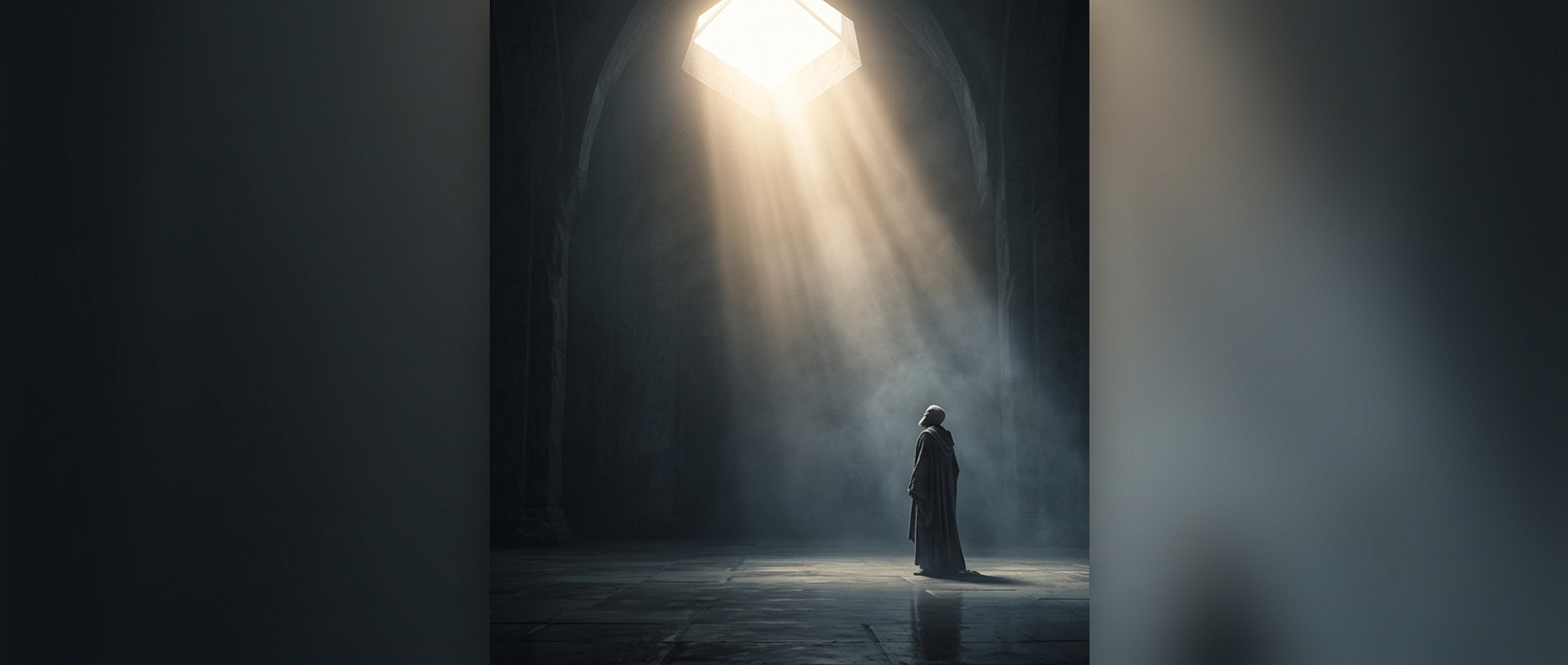
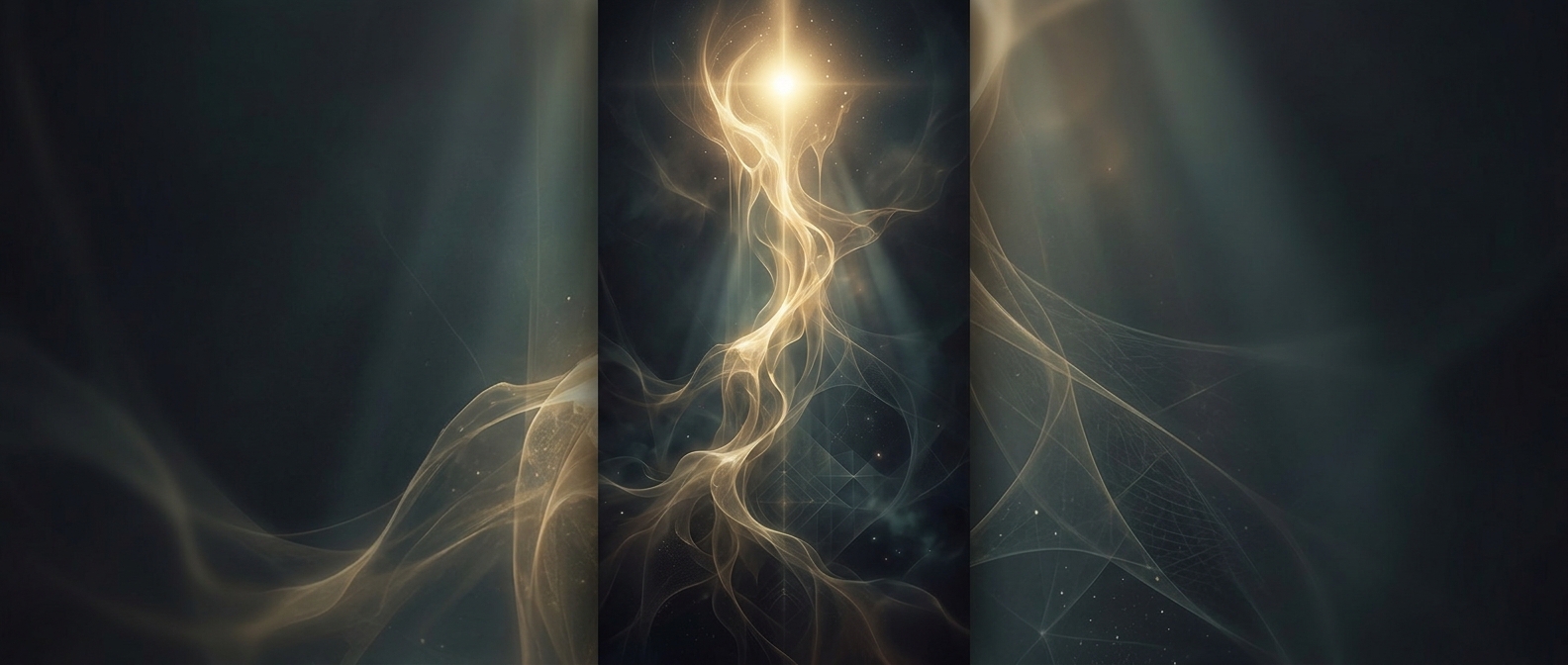
Emanationism is a way of explaining why anything exists by imagining reality as an outflow from an ultimate source. Rather than choosing to build a world, as a craftsperson makes an object, the source gives rise to what follows from it naturally—much as light radiates from a lamp.
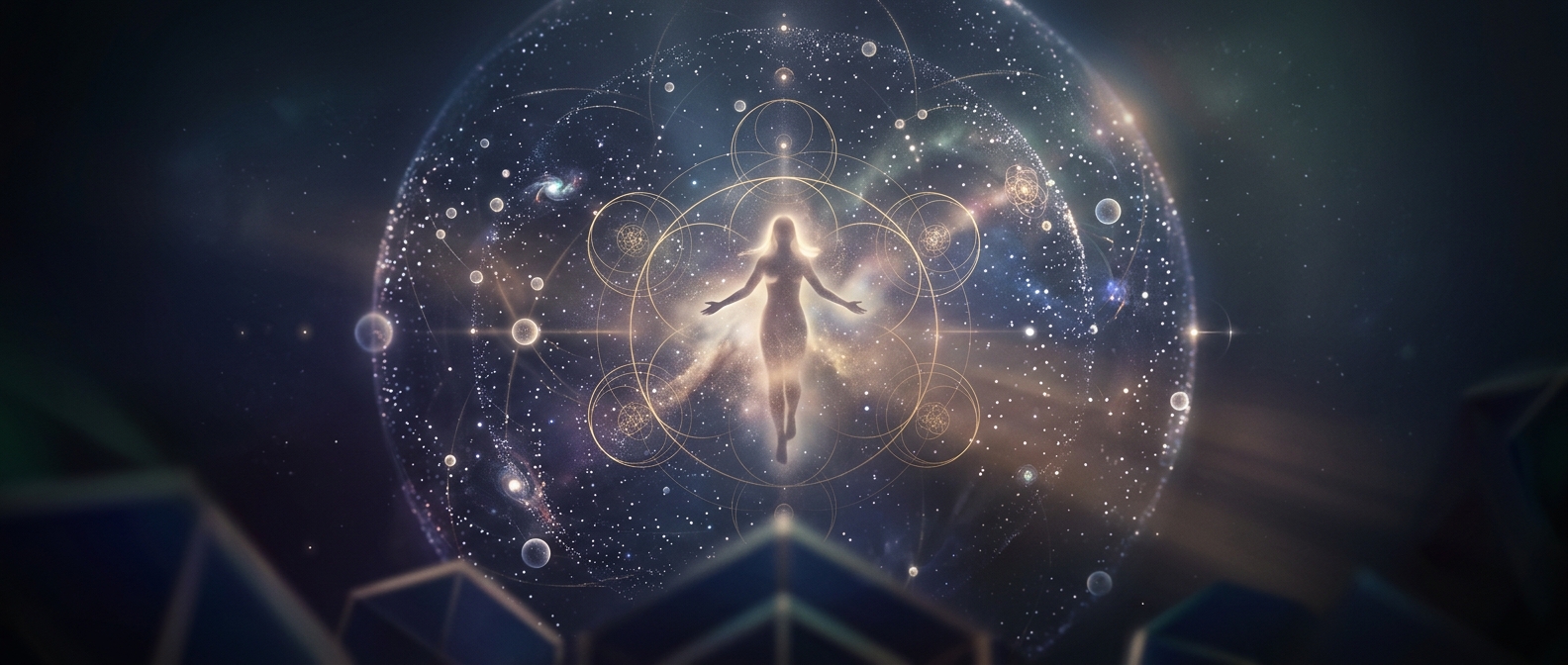
The image is not meant to describe a physical substance spilling through space. It presents a relationship: everything depends on the source, while the source does not depend on anything else. In influential versions of the idea, associated with Neoplatonic philosophy, reality unfolds through successive levels, such as intellect and soul, before reaching the material world.
Why the farther levels seem less perfect
Each stage is understood as less unified than what precedes it. The ultimate source is complete and undivided; the world of many separate things is more fragmented and limited. “Less perfect” therefore need not mean that every earthly thing is wicked or defective. It can mean that finite things possess only a partial share of the unity or completeness attributed to the source.
This arrangement offers a way to connect an absolute, unchanging origin with a varied and changing world. The source remains whole, while the effects that depend on it appear at progressively more limited levels. The distance is about degree of dependence and unity, not miles or elapsed time.
A different answer to the problem of creation
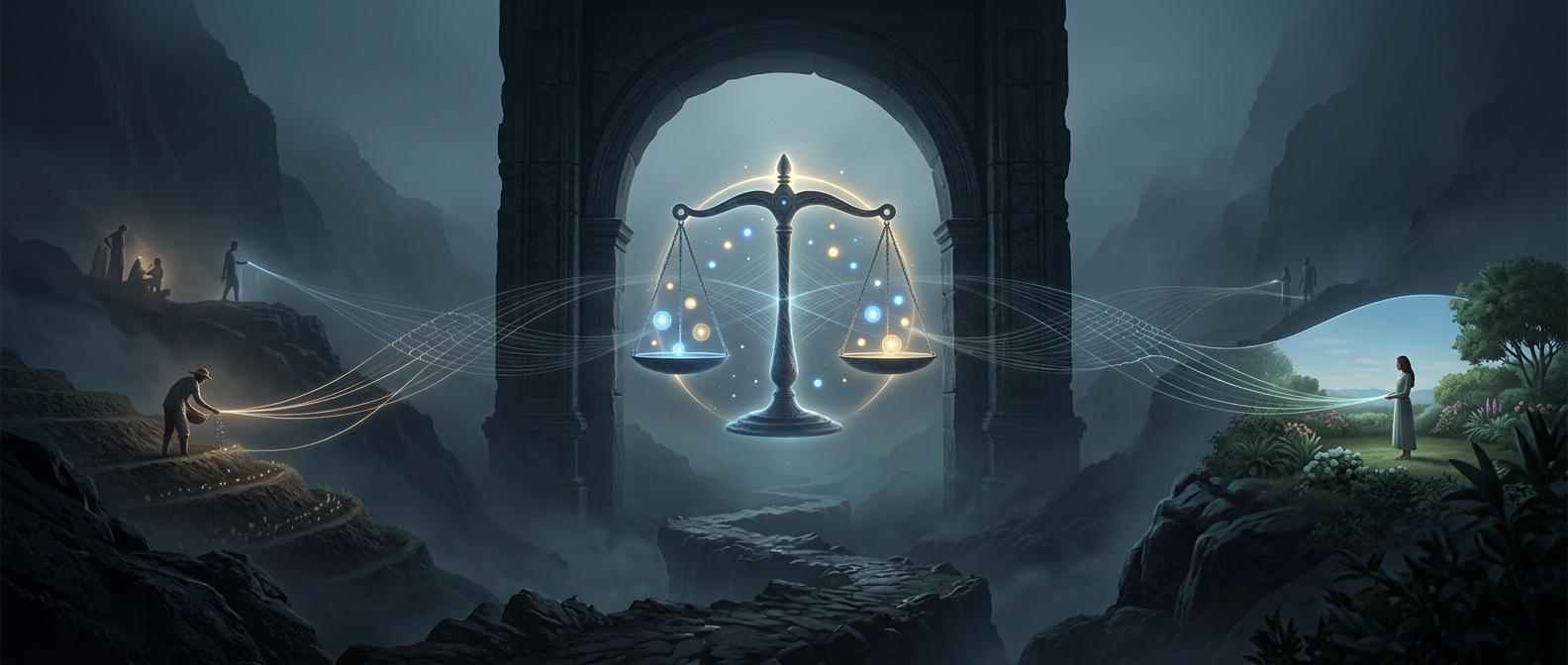
Emanationism differs from accounts in which a creator deliberately forms the universe at a particular moment. Its central picture is continuous dependence: the many things that exist are expressions of a source, not independent rivals to it. That makes the model especially suited to asking how unity can give rise to diversity without the source itself becoming divided.
The image’s memorable consequence is that the world is neither wholly separate from its origin nor identical to it: it is related to the source, but increasingly limited in how fully it reflects that source.