Why the Beetle became a roadside-game target
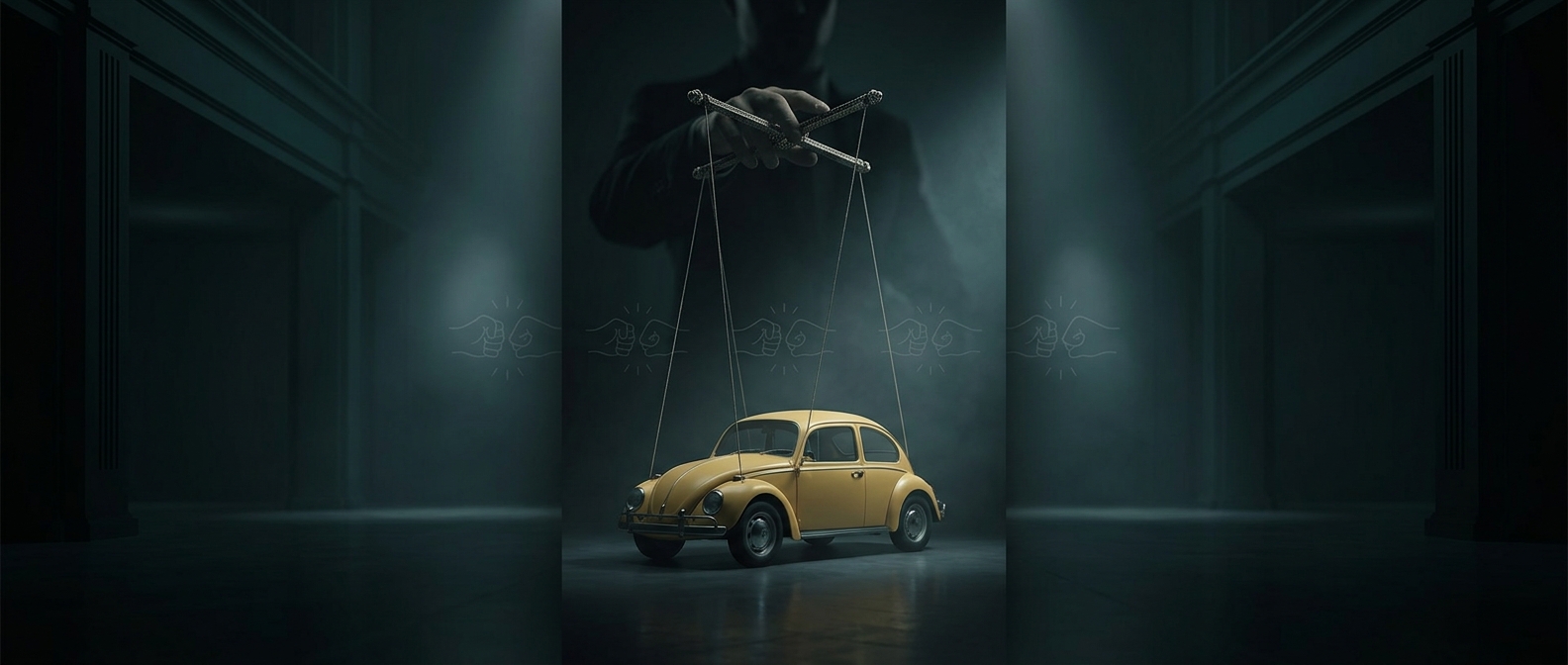
A passing car is hard to turn into a game unless everyone can identify it at a glance. The Volkswagen Beetle had an unusually useful silhouette: a domed roof flowed into rounded front and rear ends, making it look unlike the boxier cars common on the road. Even a brief glimpse could be enough for a passenger to call it out.
That made the Beetle more than a vehicle in the game. It became its recognizable target. The car’s distinctive shape helped the pastime travel from one car ride to another: once someone knew what to watch for, every passing Beetle offered another chance to play.
A name attached to a familiar sight
“Punch Buggy” is one name for the game, though families and regions have used other names and rules. The basic pattern is simple: spot a Beetle first, call out the name, and—under the traditional, not-always-gentle version—tap a fellow passenger. The call matters because it establishes who saw the car first; the punch turns recognition into a contest.
Volkswagen supplied the instantly identifiable car, not necessarily the game’s inventor. Its cultural role came from repetition: as Beetles appeared on roads, they kept providing the same easy-to-spot cue. That is why the game’s name can still evoke the car even for people who have never played it. A small design distinction—a rounded roof and unmistakable outline—became a signal that passengers could recognize before the car had passed.