Why high altitude changes each breath
At more than 16,000 feet, the air still contains roughly the same proportion of oxygen as it does at sea level. The difference is that the thinner atmosphere exerts less pressure, so each breath delivers fewer oxygen molecules to the lungs. Walking or climbing can feel demanding; spending hours aboard a train at that elevation makes the cabin environment a practical engineering concern, too.
Oxygen becomes part of the train’s life-support system
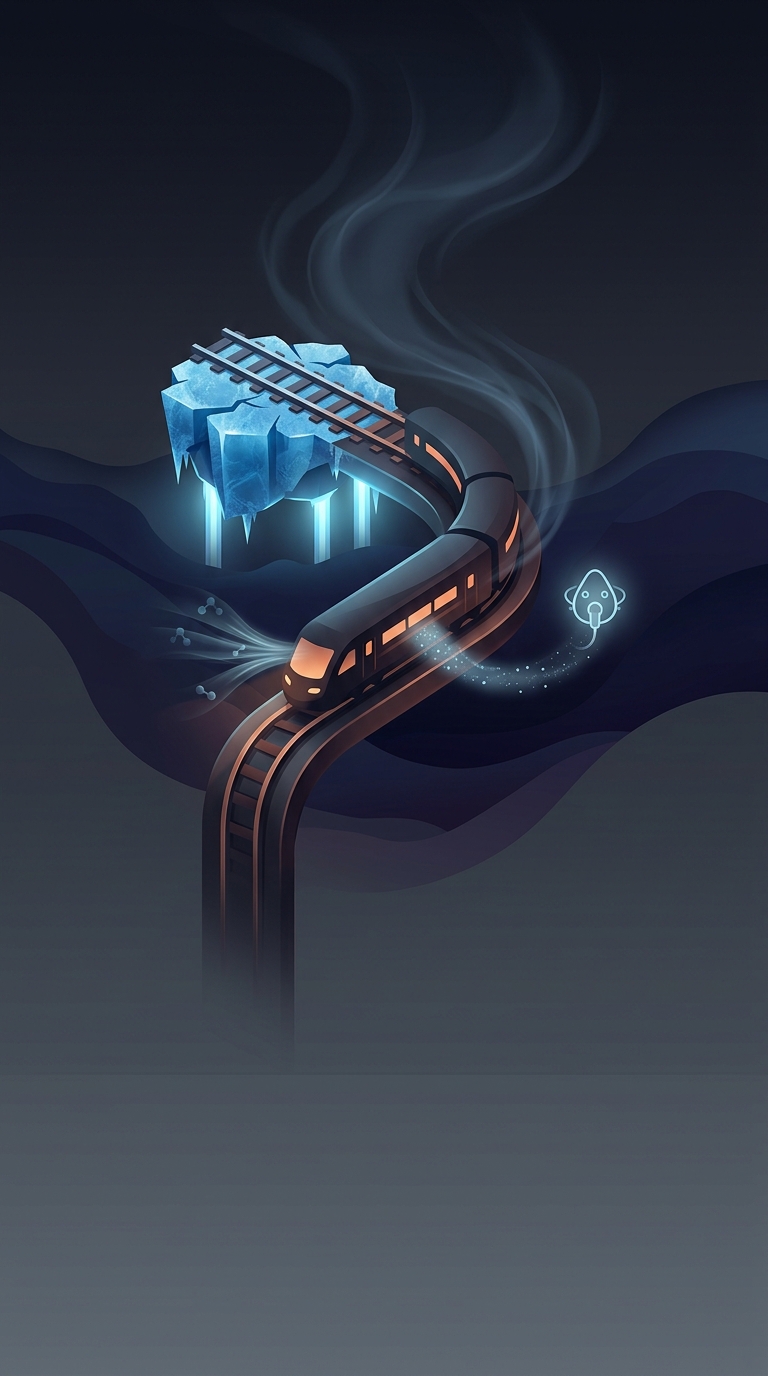
The railway addresses that problem by supplying oxygen to passenger cars, enriching the air people breathe rather than trying to make the surrounding landscape—or the entire route—lower in altitude. The key distinction is between oxygen percentage and oxygen pressure: adding oxygen to cabin air can help compensate for the reduced amount available in each breath, even though it does not turn the train into a sea-level environment.
That makes the system part of the railway’s passenger infrastructure, not just an emergency measure. A train crossing a high plateau carries people through sustained thin-air conditions; a source of extra oxygen inside the cars helps make that long journey more manageable. The route’s altitude is not merely a record on a map—it shapes what the train must provide once its doors close and the climb begins.