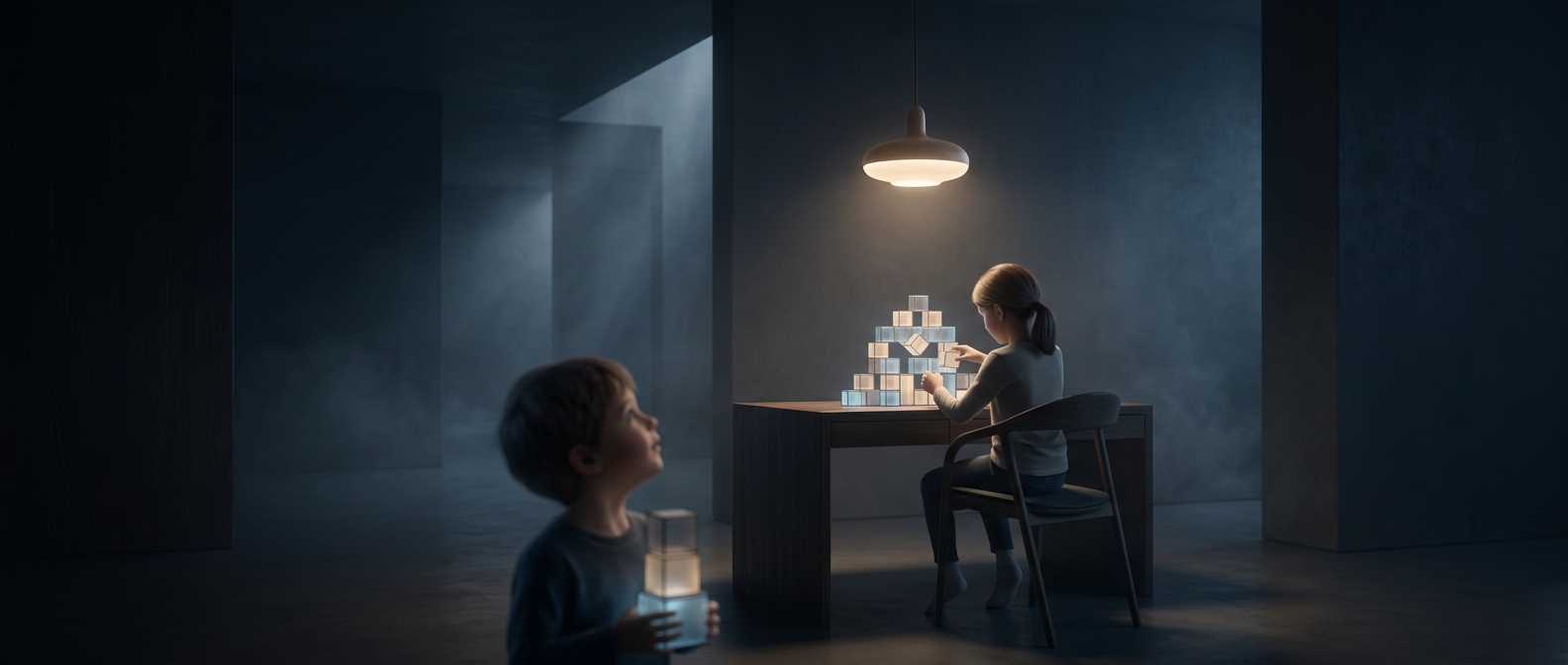
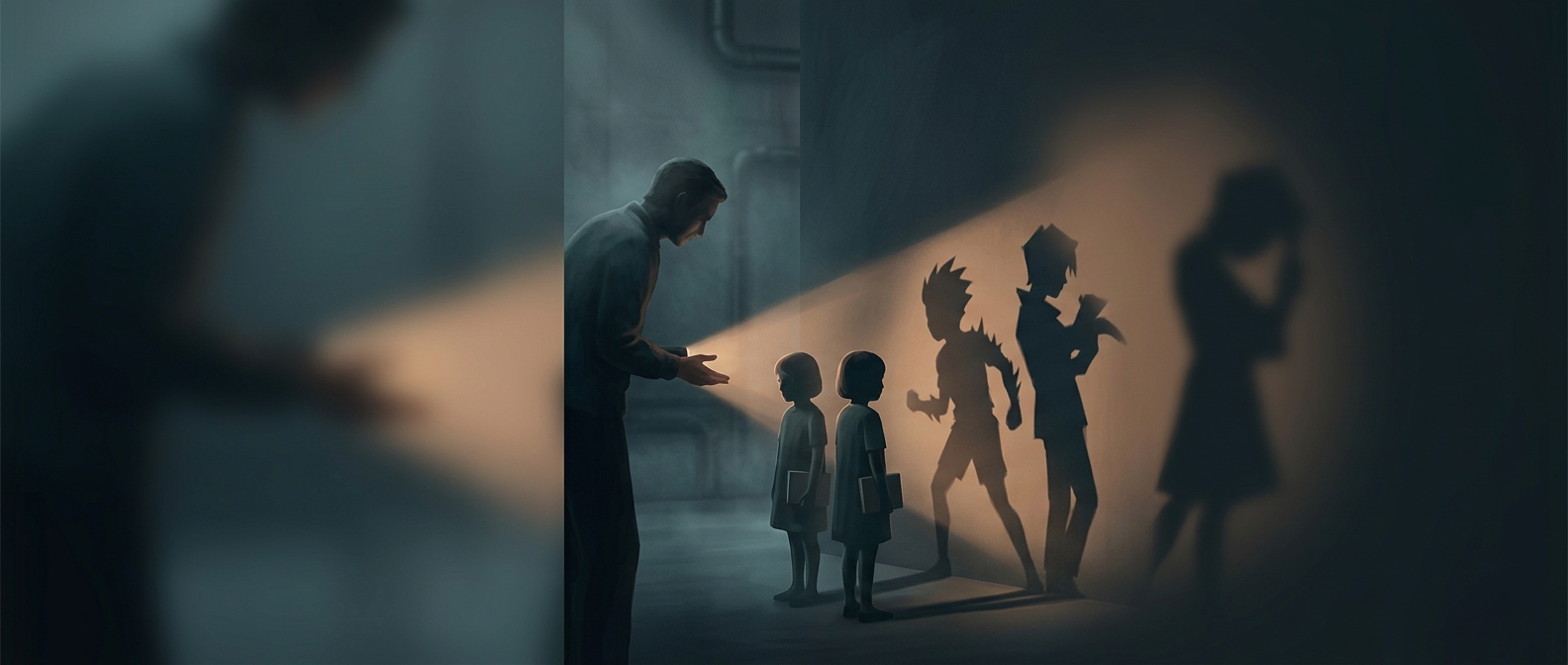
Familiar cues can bring back familiar behavior
A family home is full of reminders of who you used to be: the same kitchen table, the same sibling teasing, the same parent asking whether you’ve eaten. These cues can bring old expectations to mind before anyone consciously decides to “act like a teenager” again. A joke that once got you attention, or a quiet withdrawal that once avoided an argument, may still feel like the easiest response.
That is less like literal muscle memory than a well-practiced social habit. You learned, over many interactions, what behavior tended to earn approval, defuse tension, or win a place in the family conversation. Under familiar conditions, those responses can return quickly.
Roles are maintained by the whole family
Family roles are not only personal habits; they are patterns between people. If one person usually organizes plans, relatives may keep asking them to handle details. If another is known as the funny one, a pause in conversation may invite a familiar punchline. Each response makes the pattern easier for everyone to repeat.
This can happen even when the people involved have changed. Relatives may be working from an old picture of you, while you are reacting to the version of them you remember. A small exchange—being corrected, interrupted, or treated as the youngest—can make that mismatch feel immediate.
Comfort and frustration can arrive together
Predictability can feel comforting: you know the rhythms, references, and unspoken rules. But the same predictability can feel constraining when it seems to leave little room for your adult choices. Stress, fatigue, or the emotional intensity of a gathering may also make familiar reactions more likely; there is less patience for inventing a new response in the moment.
Noticing the pattern creates a little space to choose differently. You might pause before taking charge, answer a teasing remark without slipping into the usual fight, or name a boundary plainly. The old role can still be offered by the family, but it does not have to decide your next move.