stackyFACTS
Science

Following massive nuclear disasters like Chernobyl and Fukushima, what surprising method was used to clean the soil?

HERE’S THE INTERESTING PART

Following massive nuclear disasters like Chernobyl and Fukushima, what surprising method was used to clean the soil?

Following massive nuclear disasters like Chernobyl and Fukushima, what surprising method was used to clean the soil?
STACKY / Science
One discovery leads to another.

Keep exploring facts in this topic.

Science →


STACKY FOR IPHONE

A bigger world.
One discovery
at a time.

Keep discovering with Stacky. Interesting facts in an app that is always within reach.

Download on the App Store
ONE MORE DISCOVERY?

Keep exploring

All in this topic →
Radio waves are a kind of light too
Science

Radio waves are a kind of light too

The only difference between the harmless music signals hitting your antenna and the lethal radiation emitted by a nuclear blast is how aggressively they…

Discover more
Some fungi can feed on radiation
Science

Some fungi can feed on radiation

While intense radiation destroys nearly all organic structures, some extremely opportunistic fungi use melanin to convert those fatal emissions into pure…

Discover more
Despite the Amazon rainforest getting all the credit, what actually produces over 50% of the oxygen we breathe?
Science

Despite the Amazon rainforest getting all the credit, what actually produces over 50% of the oxygen we breathe?

Despite the Amazon rainforest getting all the credit, what actually produces over 50% of the oxygen we breathe?

Discover more
Your granite countertop is slightly radioactive
Science

Your granite countertop is slightly radioactive

Your ridiculously expensive kitchen countertop is silently radiating you. Granite inherently contains microscopic trace amounts of uranium and thorium trapped…

Discover more
Why some dinosaur bones are radioactive
Science

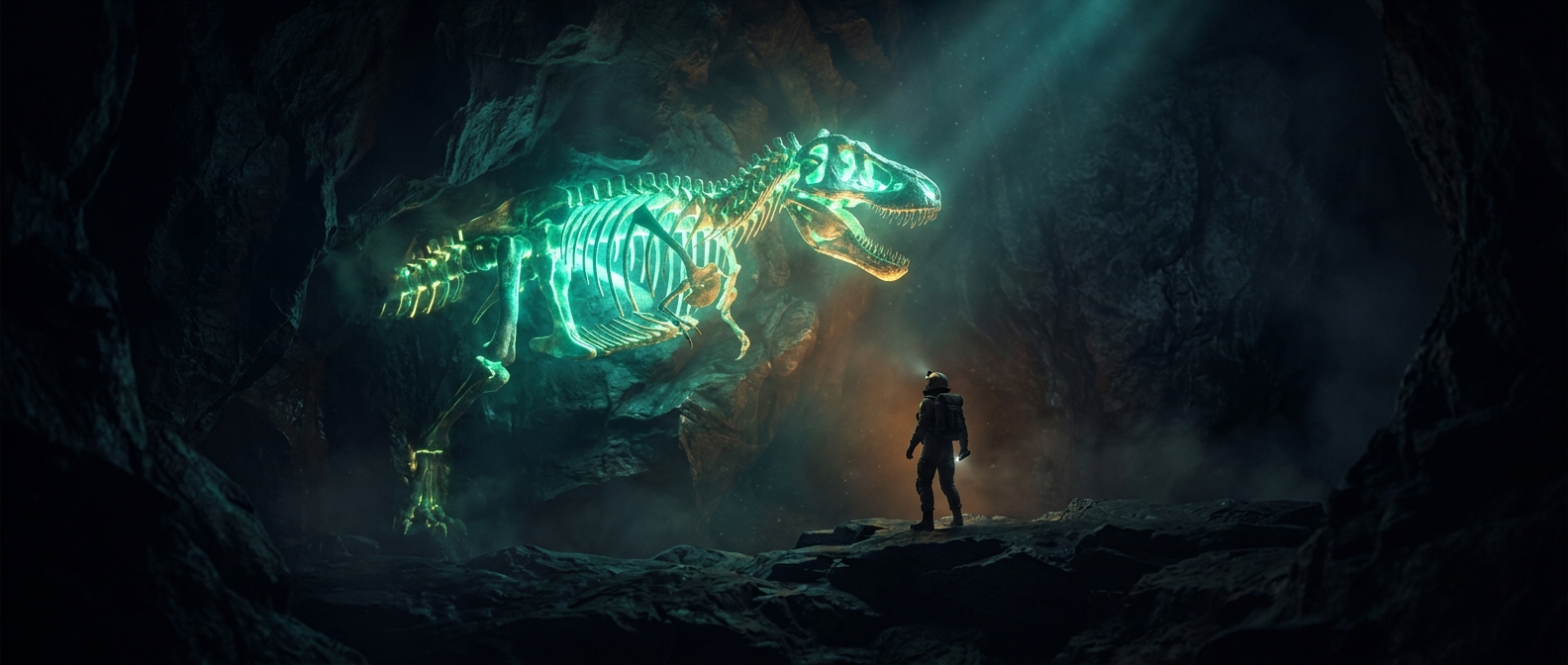
Why some dinosaur bones are radioactive

Buried ancient skeletons slowly absorb heavy massive minerals from the deep surrounding dirt. Giant museum vaults completely require highly specialized heavy…

Discover more
Termites release roughly twenty million tons of methane gas into the atmosphere every year, making these tiny wood-eating insects a surprisingly significant contributor to global greenhouse gas emissions.
Science

Termites release roughly twenty million tons of methane gas into the atmosphere every year, making these tiny wood-eating insects a surprisingly significant contributor to global greenhouse gas emissions.

Termites release roughly twenty million tons of methane gas into the atmosphere every year, making these tiny wood-eating insects a surprisingly significant…

Discover more
StackyMore discoveries in the app
Download on the App Store