A castle feels different after the day visitors leave
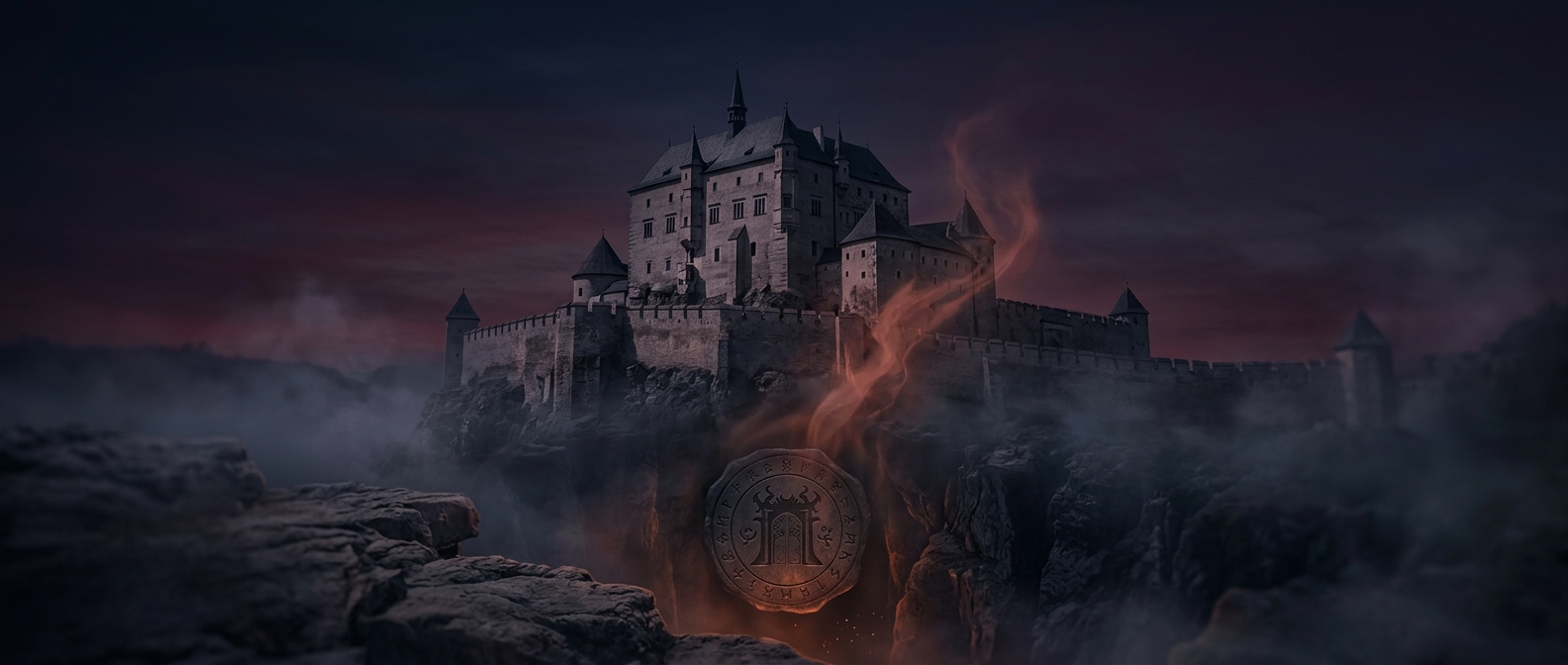
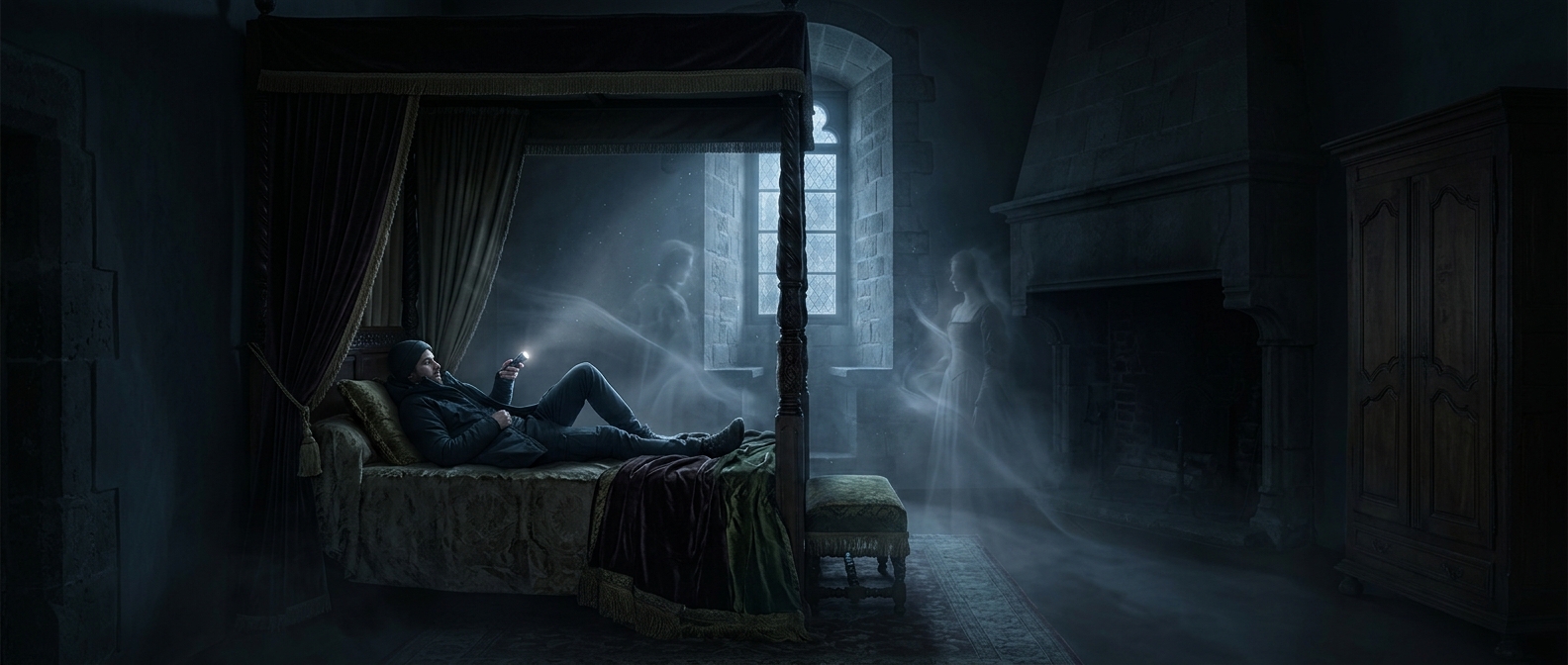
By daylight, a castle is a monument to inspect: rooms, walls, and objects arranged along a route. At night, the same stone corridors become part of the experience. A creaking floorboard or a draft under a heavy door can feel more suggestive when the building is quiet and its past is close at hand. Guests bring the ghost story with them; the setting gives it texture.
That is the appeal of a supposedly haunted stay—not proof of anything supernatural, but a chance to spend time inside a place whose age and history invite the imagination. Ordinary hotel routines, such as finding a bedroom or walking to breakfast, take on a theatrical edge against old towers and dim passageways.
Staying there keeps old buildings in use
Some castles and historic houses have been adapted for overnight guests. Reuse can give a historic property a continuing purpose and a source of visitor income, while requiring practical compromises: modern comforts must fit within buildings designed for other lives and other eras. The contrast is part of the attraction. A guest may sleep in a room equipped for today while seeing the thick walls, uneven floors, or surviving features that make the place feel unmistakably old.
The result is a form of travel that turns history from something viewed at a distance into an overnight setting. The most memorable moment may be a perfectly ordinary walk back to the room—made memorable because, for once, the castle is not just something to look at.