How hired mourners gave grief a public form
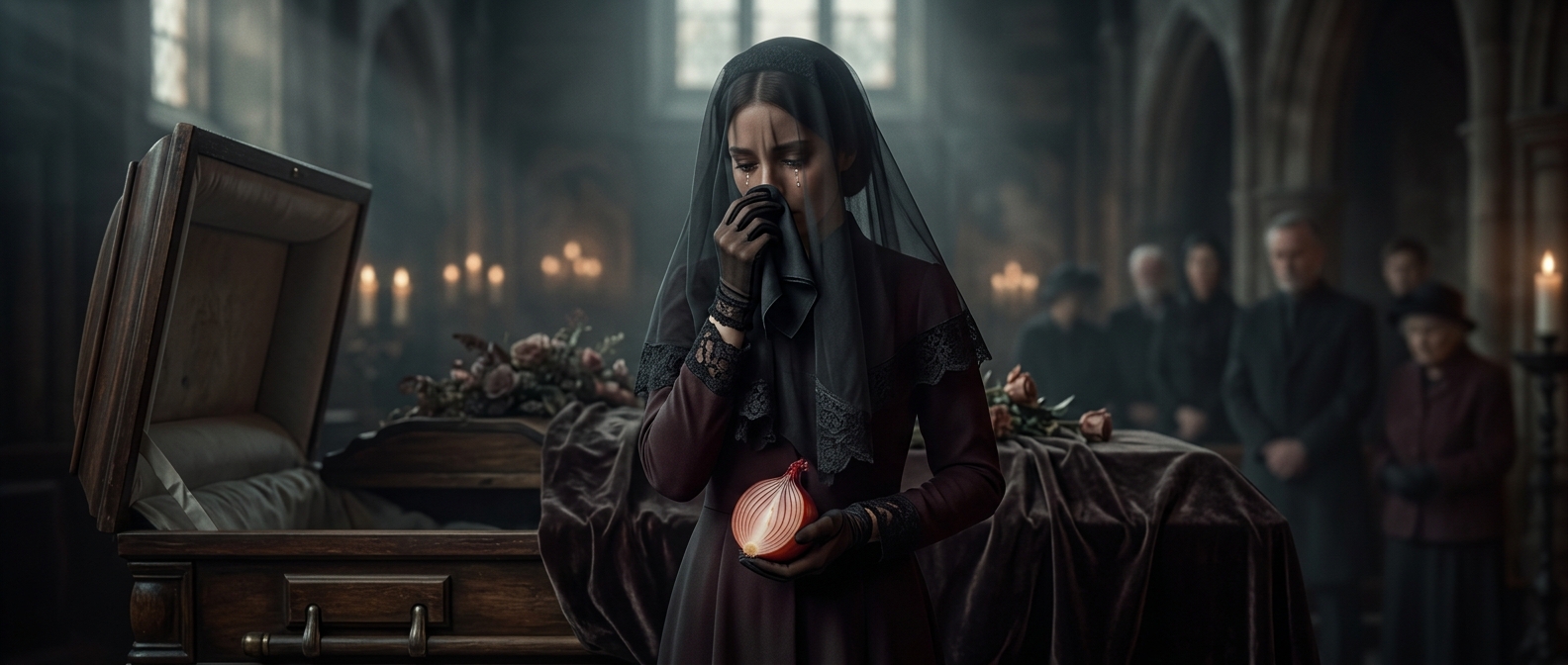
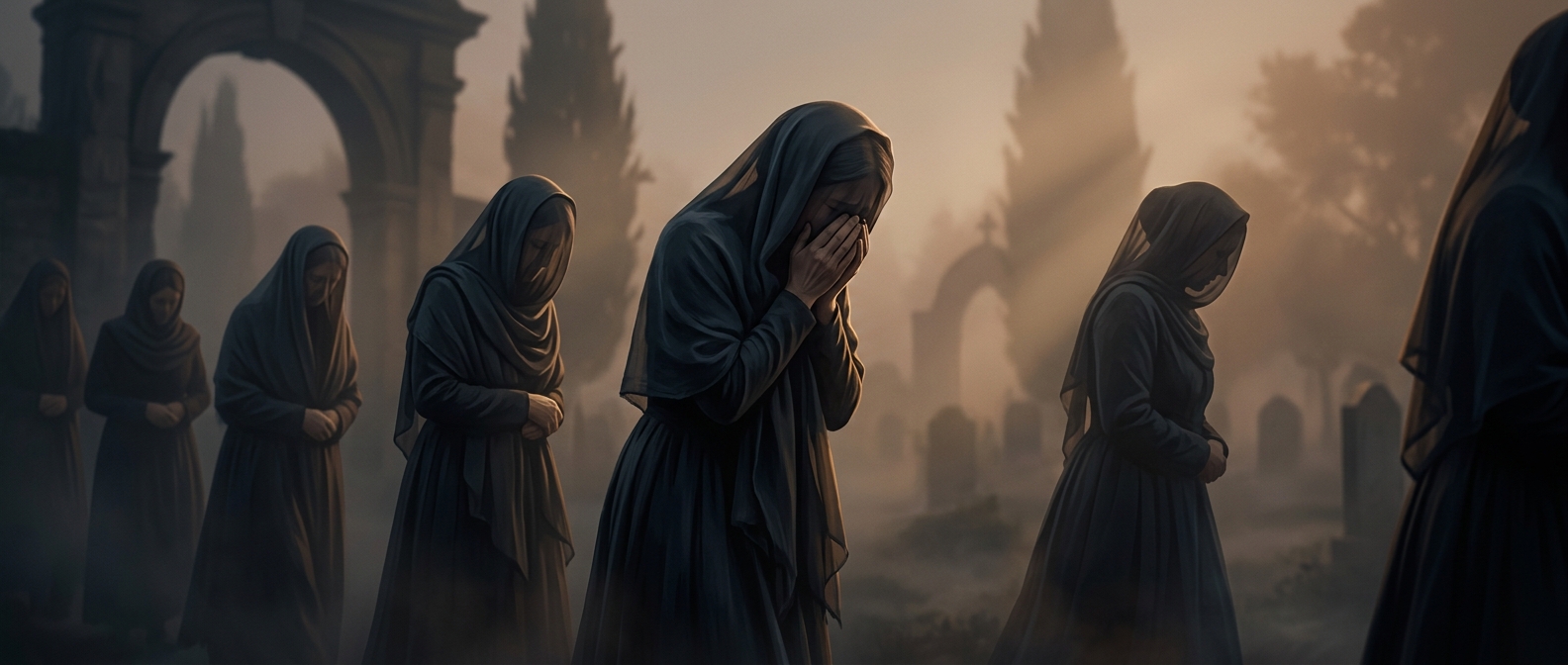
At a Roman funeral, grief did not have to remain a private reaction. Professional mourners, known as praeficae, helped lead the lamentation: a structured expression of sorrow that could include cries, songs, and praise for the dead. Their presence made mourning audible and recognizable to everyone following the procession.
That mattered because a funeral was also a social event. Family members and neighbors could join a performance already in motion rather than face the task of expressing loss alone. The mourners supplied a public form for emotion, helping turn an individual death into a communal occasion.
Performance carried social meaning
A praefica was not simply an extra mourner. Her job was to perform grief on the family’s behalf, helping shape how the deceased was remembered in public. The size and intensity of a funeral display could also reflect on the household arranging it. Hiring mourners therefore joined emotional expression to social reputation: the family could make its loss visible, and its resources visible with it.
The arrangement did not mean the family’s sorrow was false. It shows that Roman funerals could hold private feeling and public performance at once. A hired voice could lead the lament, but the procession gave the wider community a way to witness the loss—and a family a way to mark its standing while doing so.