Why Basilides Put the Divine So Far Away
Basilides was an early Christian teacher, active in Alexandria in the second century, whose ideas survive mainly through accounts written by opponents. In those accounts, he describes a cosmos arranged in many descending levels between the supreme God and the world people inhabit. The number 365 gives the distance a striking scale: the human realm is not simply imperfect but remote from the highest source of goodness.
A World Built in Layers
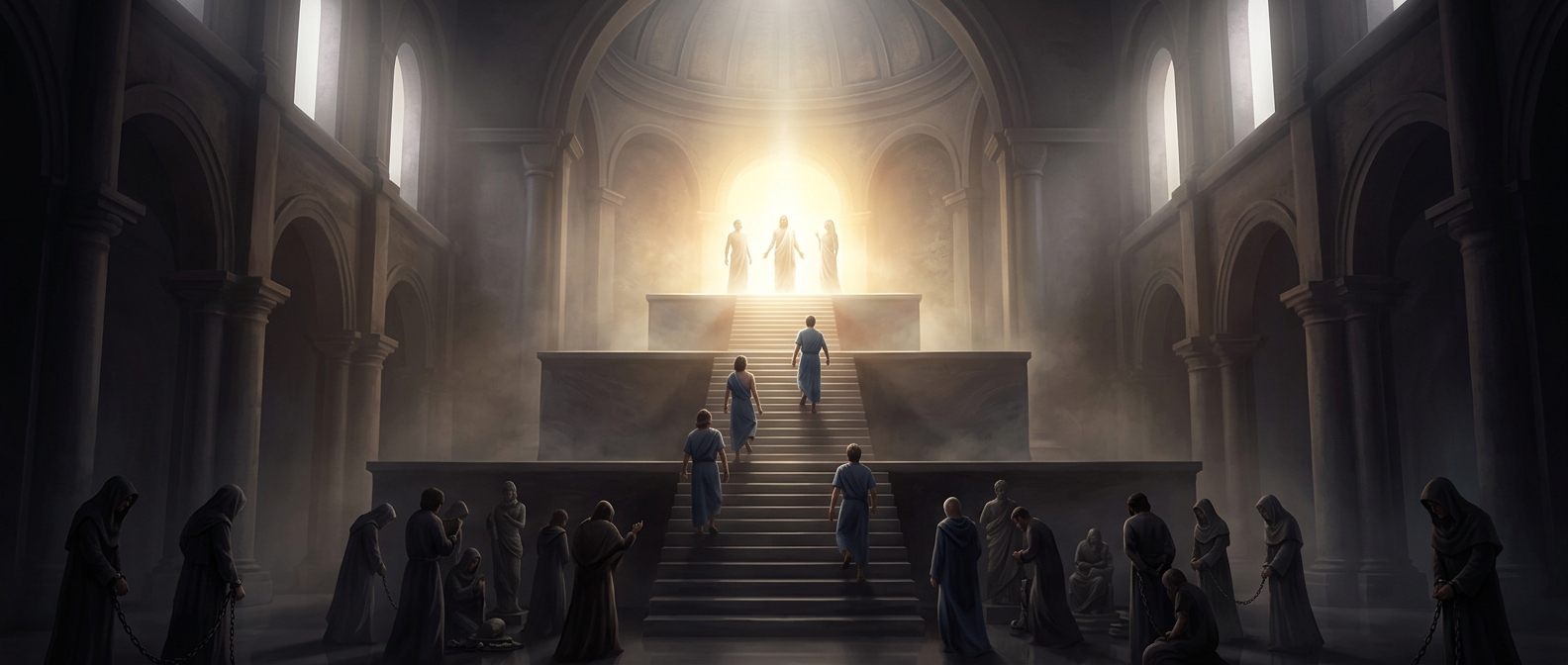
These levels are often called heavens or aeons—successive spiritual regions or powers. They form a chain: each level stands farther from the ultimate divine reality, until the lowest reaches the material world. In this scheme, the physical realm is not the direct handiwork of the highest God. Its distance helps explain why ordinary life can seem governed by disorder, limitation, and suffering without making those features the nature of the supreme good.
The figure 365 also connects Basilides’ system with the name Abraxas, a word associated in ancient magical traditions with the numerical value 365. The surviving reports link Abraxas to the ruler or encompassing power of the heavens, though they do not give a simple, uncontested account of how the name fits into the hierarchy.
What the Distance Meant
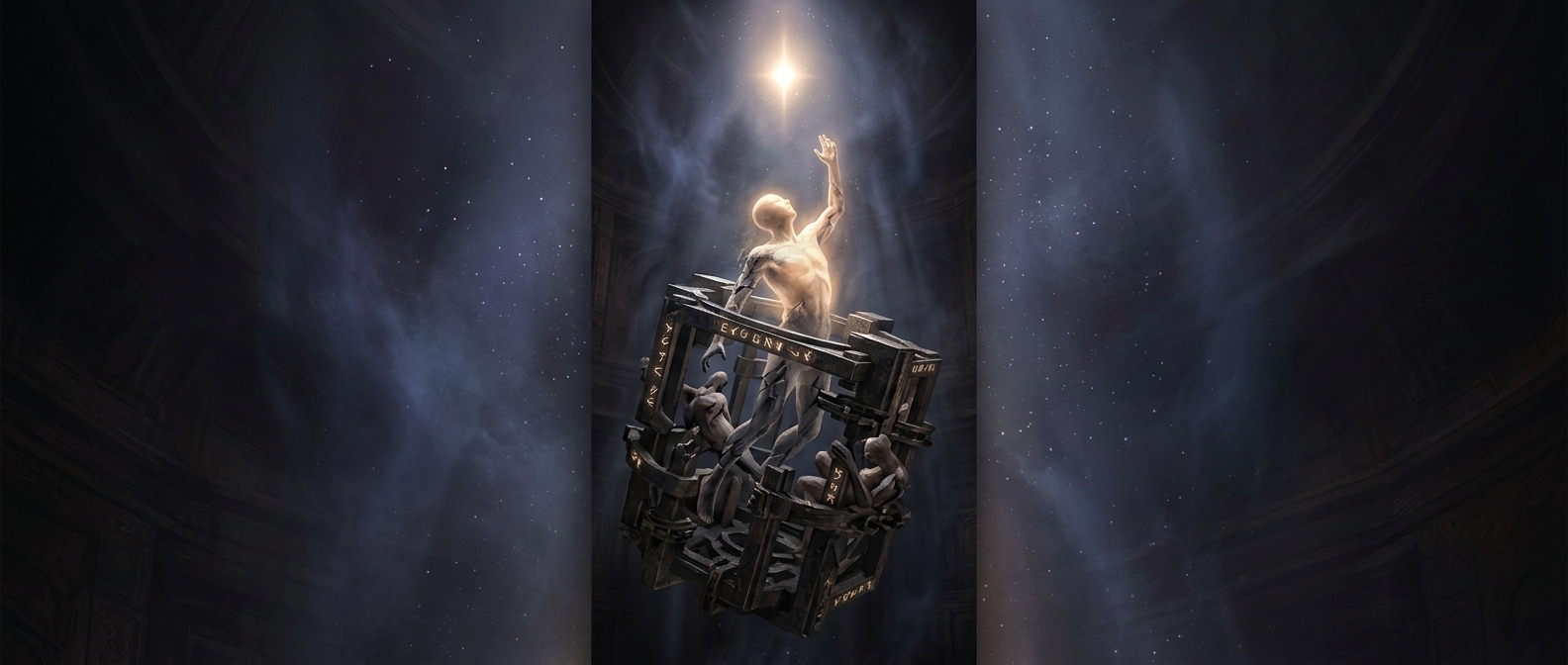
For Basilides, the elaborate structure was more than cosmic geography. It reframed salvation as a matter of recognizing how far the visible world stands from the highest divine realm—and how spiritual knowledge could bridge that separation. The result was a sharp contrast with the idea that the material world straightforwardly reflects a good creator: in Basilides’ vision, reaching the divine meant looking beyond the world’s surface and the powers governing it.