How a Planet Can Redirect an Asteroid
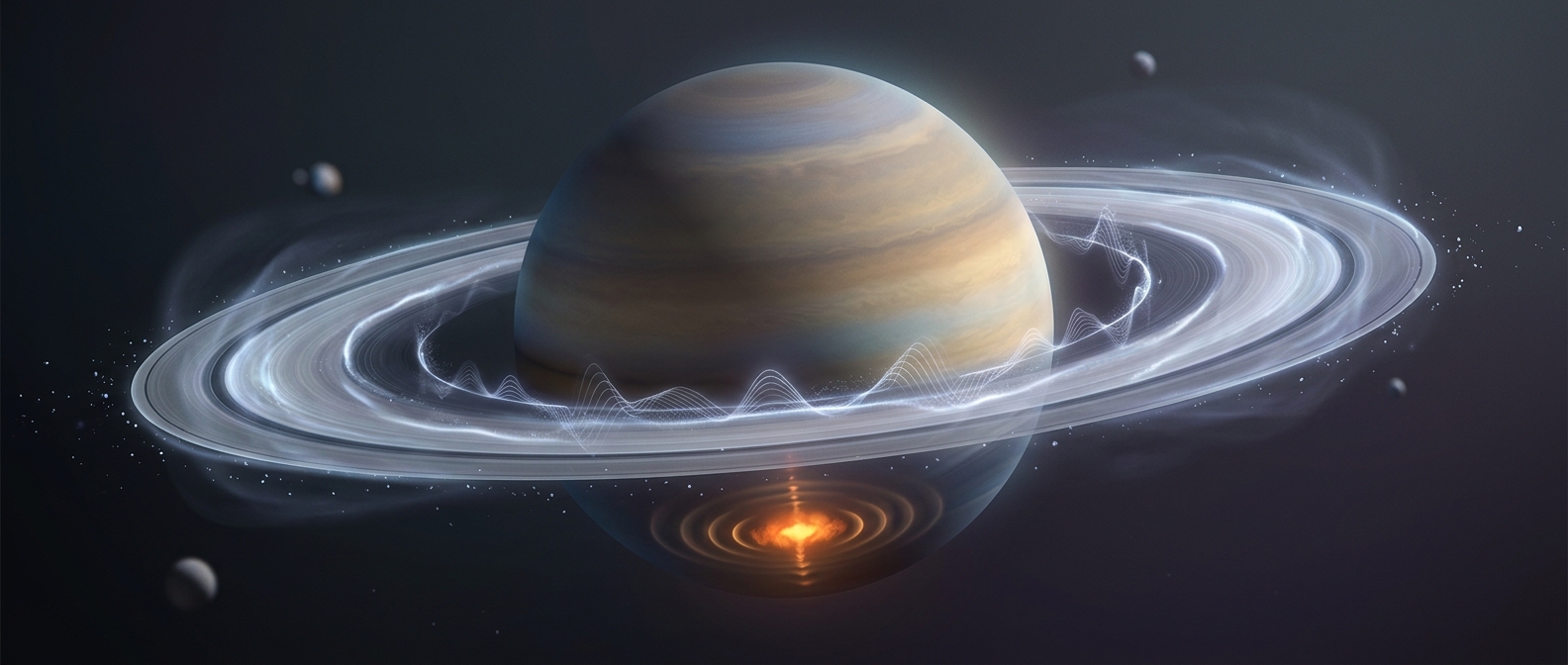
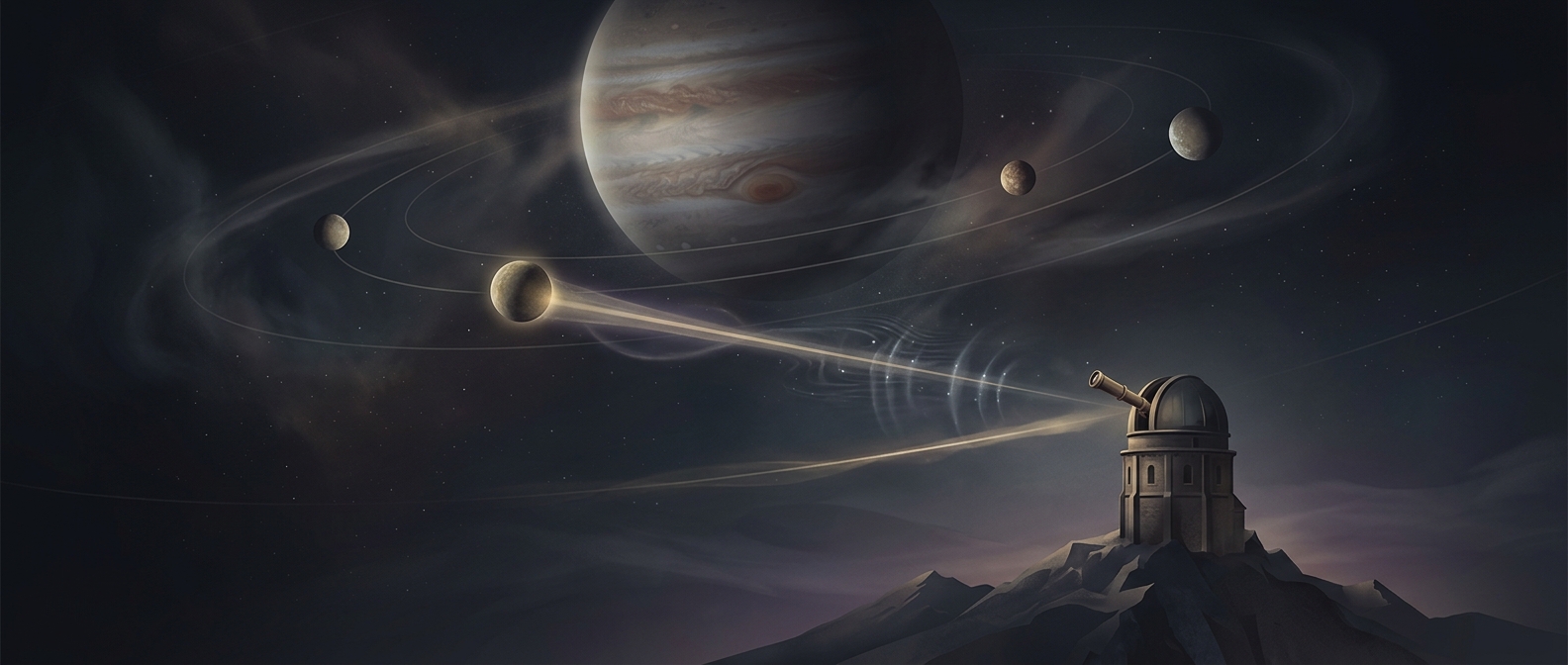
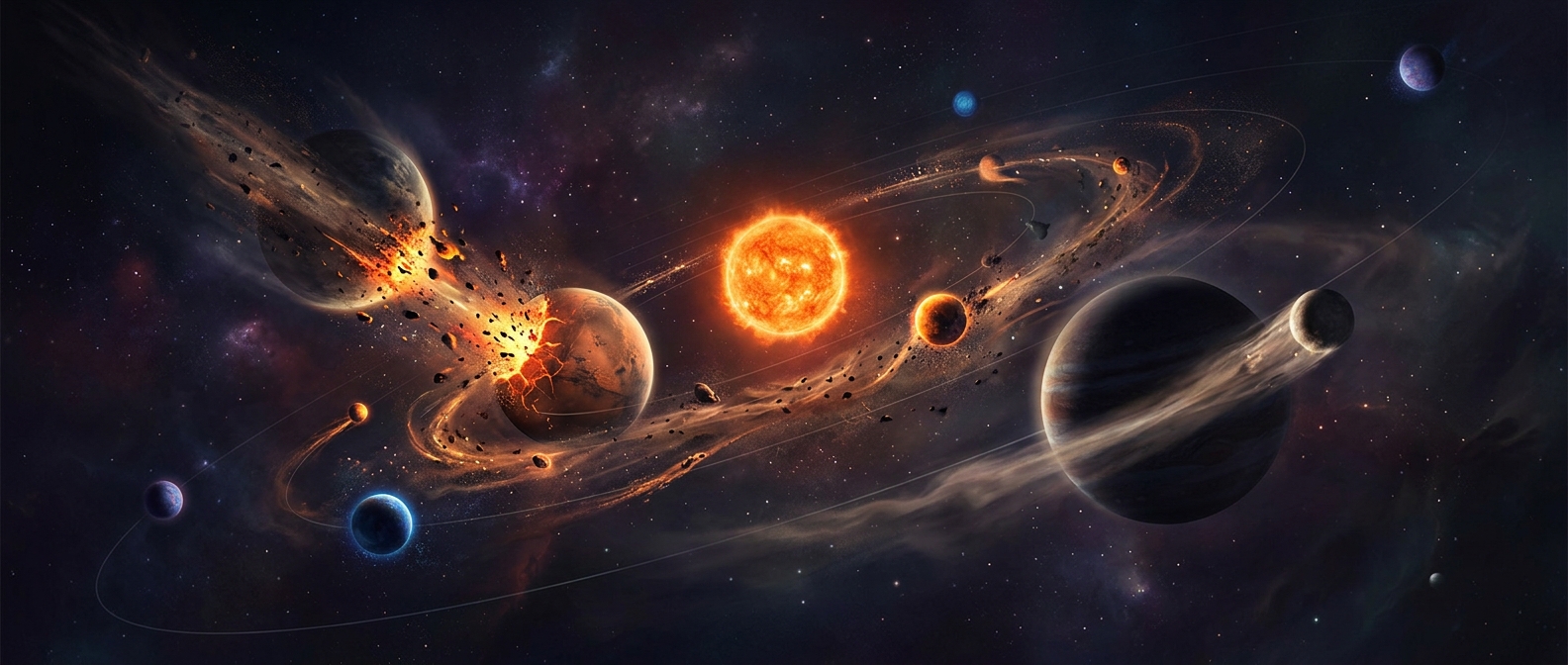
An asteroid does not need to collide with a planet to have its course changed. As it passes, the planet’s gravity pulls on it. The pull is strongest when the asteroid is closest, but it begins well before the encounter and continues as the asteroid moves away. The result is a small change in the asteroid’s speed or direction—and, over time, a different orbit.
A Gravitational Nudge Can Add Up
An orbit is the repeated path an object follows around the Sun. A close planetary encounter can reshape that path, sometimes moving the asteroid into an orbit that crosses Earth’s. Even a modest change matters because an asteroid may travel around the Sun many times afterward. Each return brings it along the newly altered route, which can carry it into regions it never reached before.
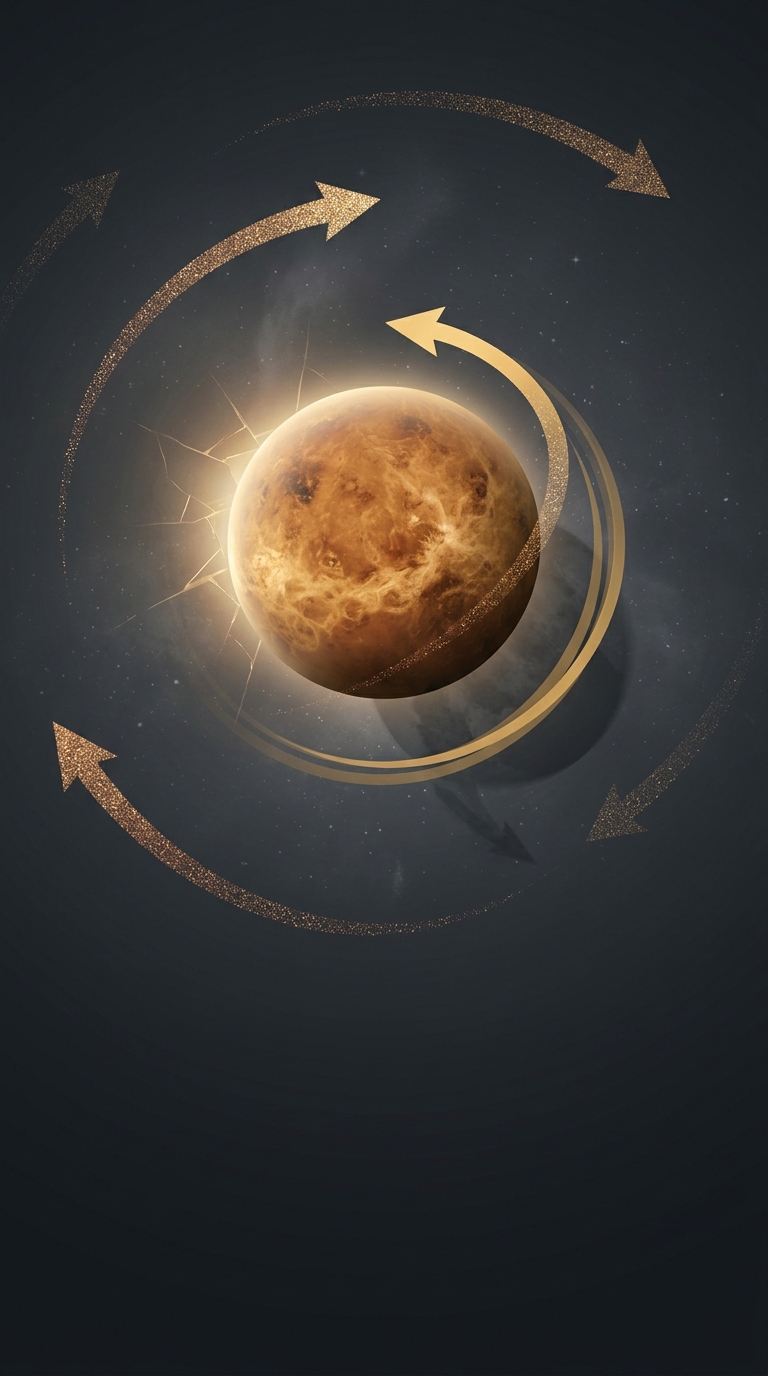
The effect is not a simple shove in one direction. Depending on where the asteroid passes and how it is moving, the encounter can speed it up or slow it down relative to the Sun. That changes the size and shape of its orbit. A planet’s gravity can therefore redirect an asteroid without capturing it or sending it straight toward Earth.
Crossing Is Not the Same as Colliding
A line crossing on an orbit diagram describes paths, not a predicted impact. Earth and the asteroid must reach the intersection point at the same time. If Earth is elsewhere in its orbit when the asteroid passes, they miss one another, even though their routes cross.
That distinction is why astronomers track both an object’s path and its timing. A planetary nudge can create a possible meeting point; only the objects’ positions at the same moment determine whether it becomes an actual encounter.