Why a damaged crop is hard to replace
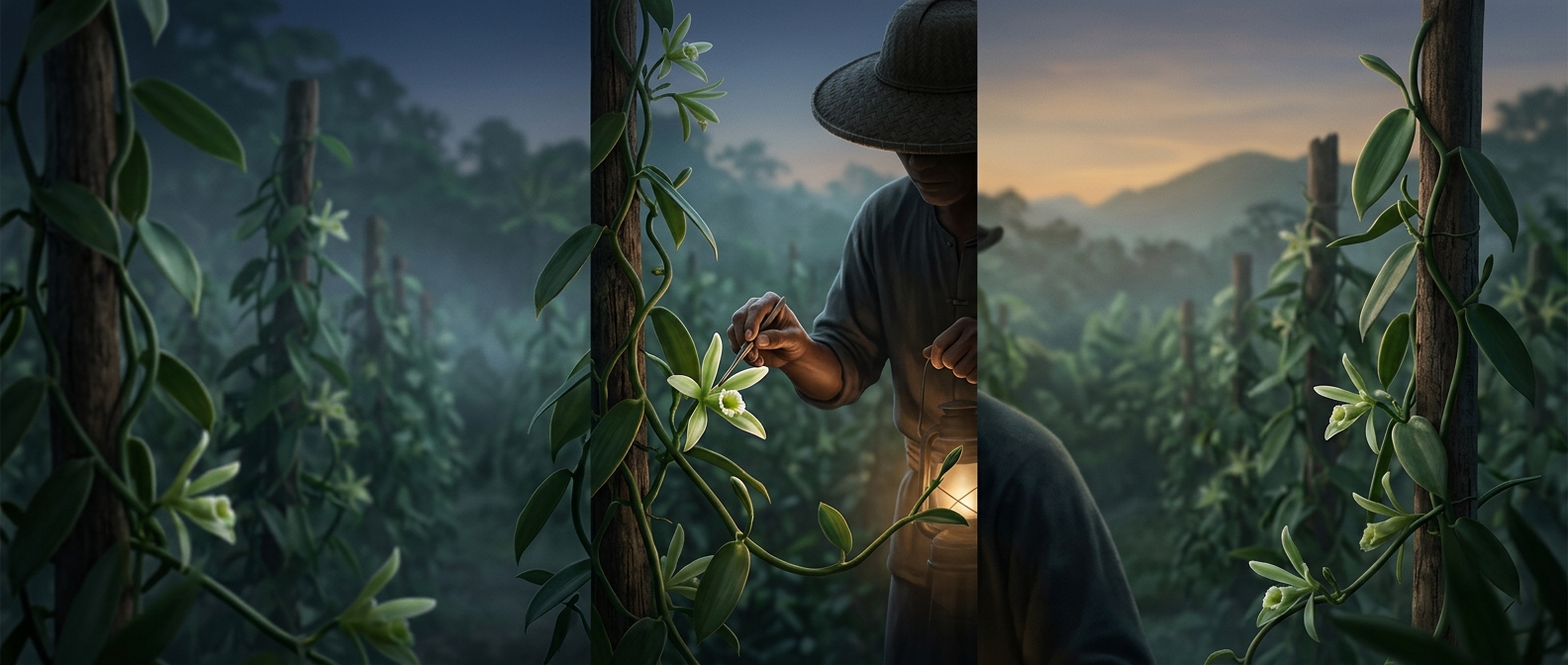
Vanilla is not a commodity that growers can quickly produce more of when prices rise. The orchid vines take years to mature, and each flower must be pollinated during a short window; in Madagascar, this is generally done by hand. A storm can damage vines, flowers, or developing pods, while flooding and road damage can also delay the movement of harvested beans.
Even a successful harvest does not become usable vanilla immediately. Beans are cured—a lengthy process of drying and conditioning that develops their aroma. That makes the supply pipeline slow: lost flowers or spoiled beans cannot be made up by simply adding another shift at a factory.
How scarcity travels through the market
Food makers and flavor companies need reliable supplies for products already planned and sold. When expected harvests shrink, they compete for beans from the remaining crop, and some may seek stock from other origins or draw on inventories. Those options help, but they cannot instantly replace Madagascar’s large share of supply or guarantee the same quality and availability.
The pressure can reach farmers unevenly. Higher market prices may make a crop more valuable, but growers do not necessarily receive the full increase, especially when they have already agreed to a sale or must sell quickly to cover costs. For buyers, the storm is a reminder that a globally traded ingredient can depend on a crop that takes years to grow and months to prepare.