Swadhisthana as a map of changing experience
In chakra traditions, Swadhisthana is commonly described as the second major energy center, associated with movement, desire, pleasure, and emotional change. The Sanskrit name is often rendered as “one’s own abode.” These associations belong to a spiritual-symbolic system, not a measurable account of energy moving through the body.
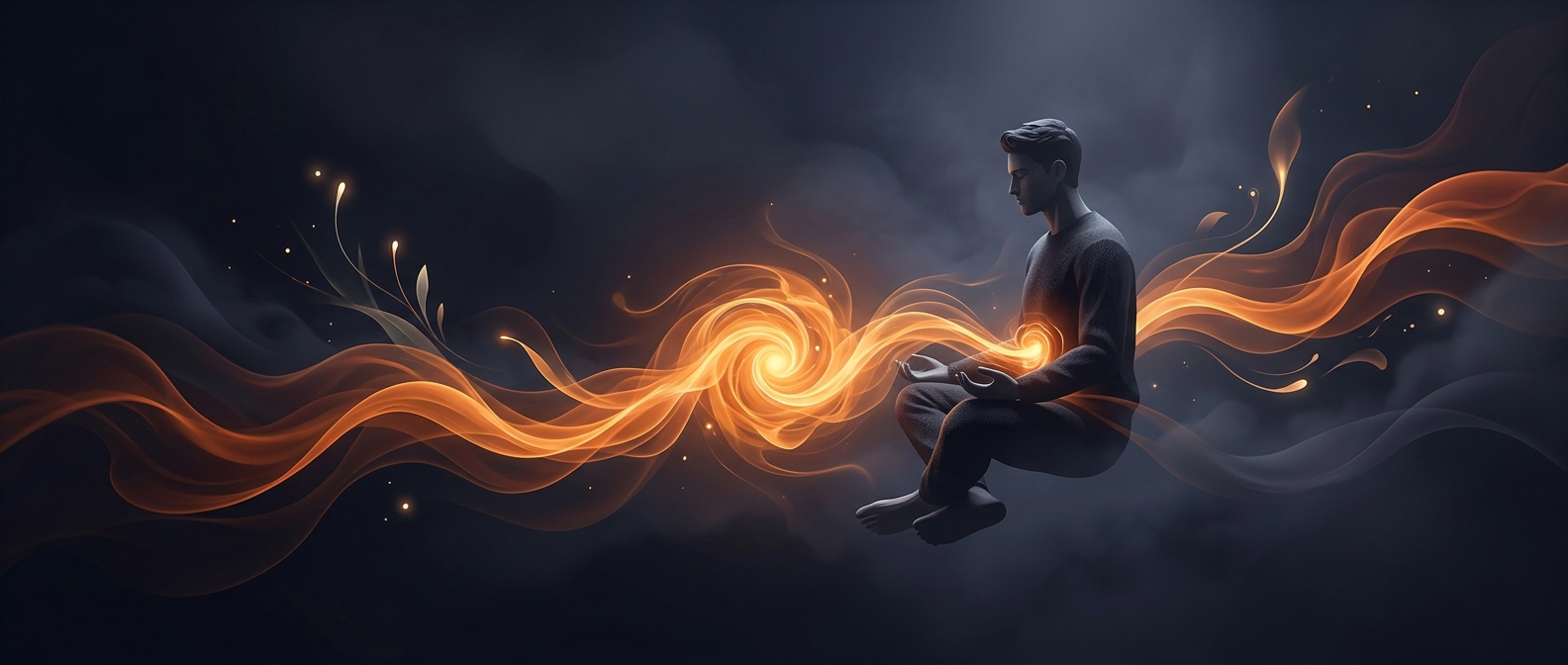
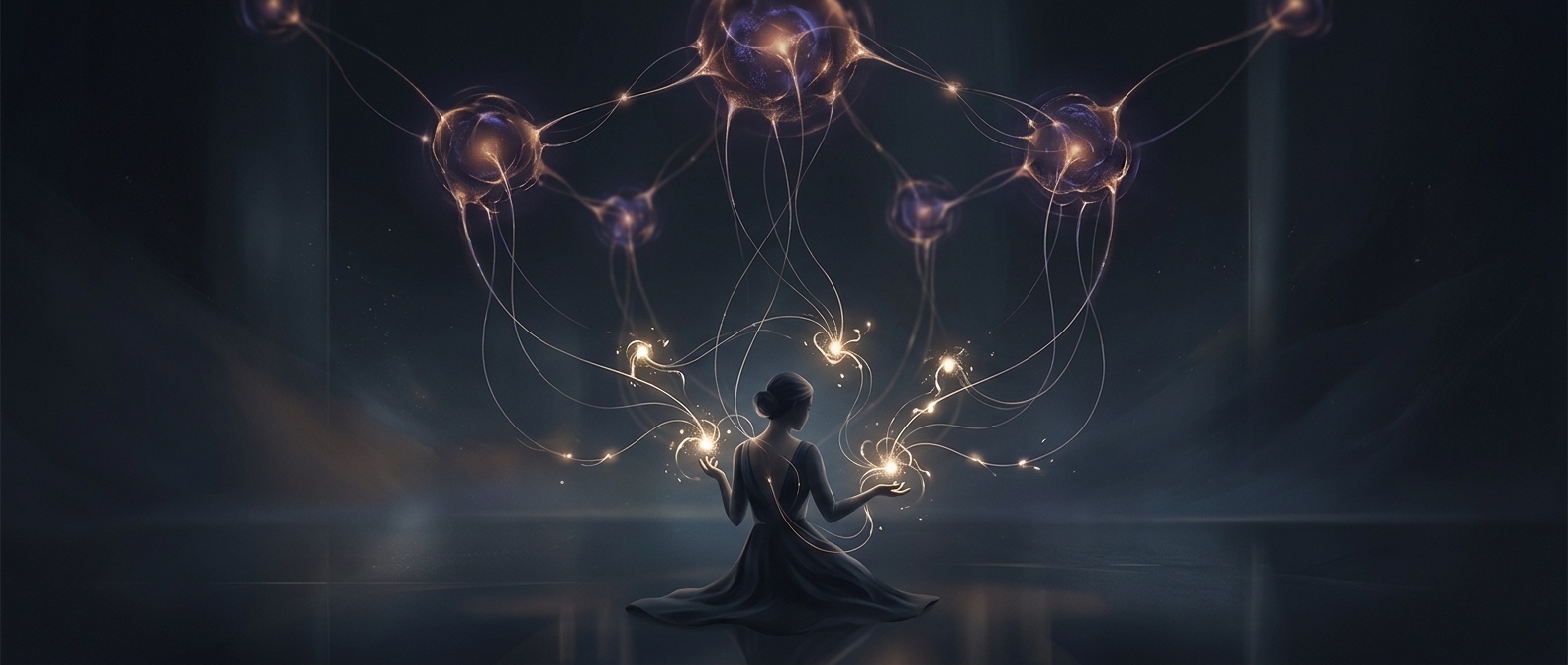
The image of channeling shifting desires into a coherent framework points to the chakra’s role in that system: change is not treated as something to eliminate, but as something to notice and give form to. A passing impulse might become a choice, a creative act, or a clearer sense of what matters. “Energy” here describes an interpretive way of talking about inner life, rather than a physical substance.
A framework, not a diagnosis
Chakra maps differ across traditions, and people may use them for meditation, reflection, or ritual in different ways. In that setting, Swadhisthana can offer a prompt: What am I feeling, what do I want, and how might I respond deliberately? It does not establish that a person has a particular condition or that a hidden force is directing their behavior.
The practical consequence is symbolic but recognizable: instead of treating desire as either an unquestioned command or a problem to suppress, the model invites someone to observe it and decide what to do with it.