How Cholera Turns the Intestine Into a Fluid-Release System
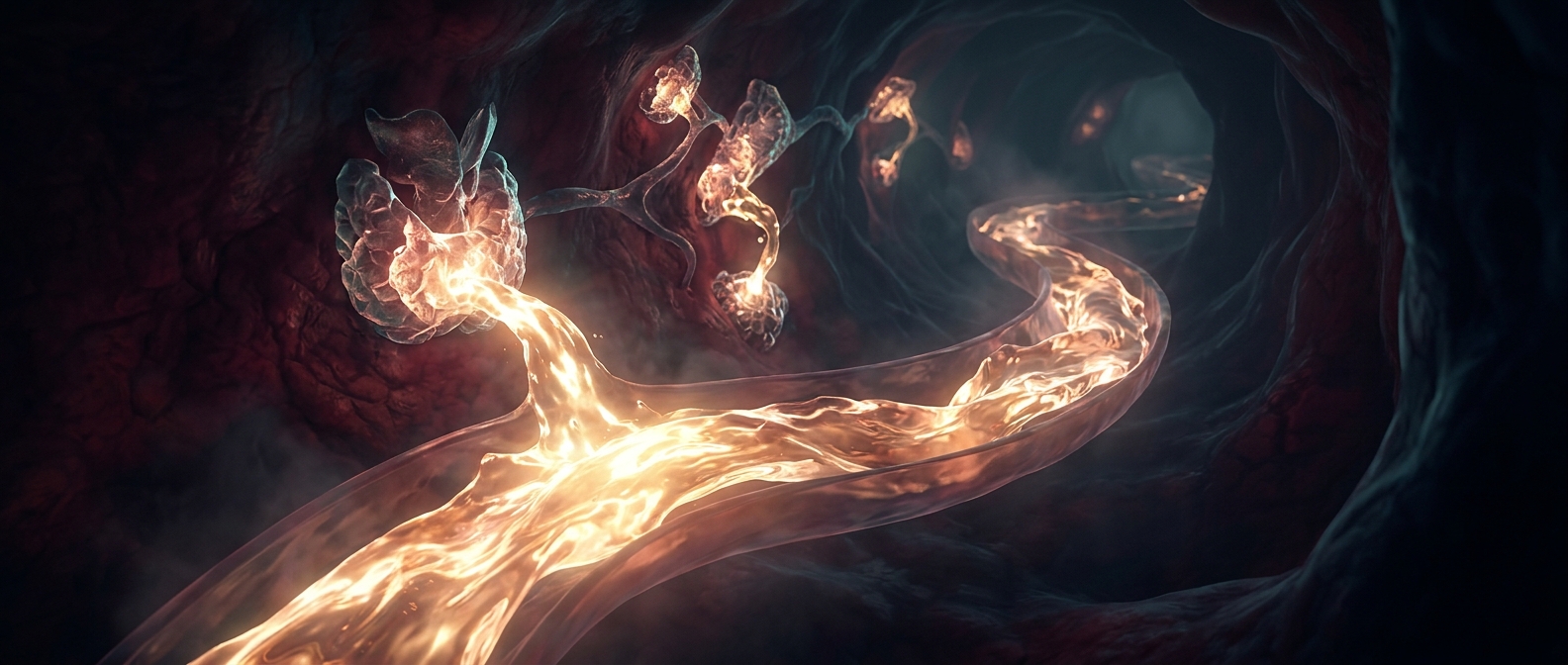
Cholera’s danger comes from a toxin that hijacks the cells lining the small intestine. The toxin switches on a signaling pathway that normally helps regulate salt movement. As a result, the cells release large amounts of chloride into the gut, while the usual balance of salt absorption is disrupted. Sodium and water follow, filling the intestine with fluid that the body then loses in watery diarrhea.
The intestinal lining is not simply being eaten away. Instead, its transport machinery is being pushed into the wrong setting. That helps explain why the fluid loss can become severe so quickly: the gut can keep secreting water even as the person becomes dehydrated.
Why Rehydration Can Work Without Stopping the Toxin
Treatment targets the immediate consequence—lost water and salts—rather than having to switch off the toxin first. Oral rehydration solution combines water with measured amounts of glucose and electrolytes, including sodium. Intestinal cells can still absorb glucose together with sodium through a separate transport route; water follows these absorbed particles back into the body.
That surviving route is the key. Even while cholera is driving fluid into the intestine, a correctly mixed rehydration solution gives the gut a way to reclaim water. The illness causes a dangerous imbalance in fluid movement, but the intestine retains a pathway that treatment can use to reverse it.