Walking Becomes a Two-Person Coordination Task
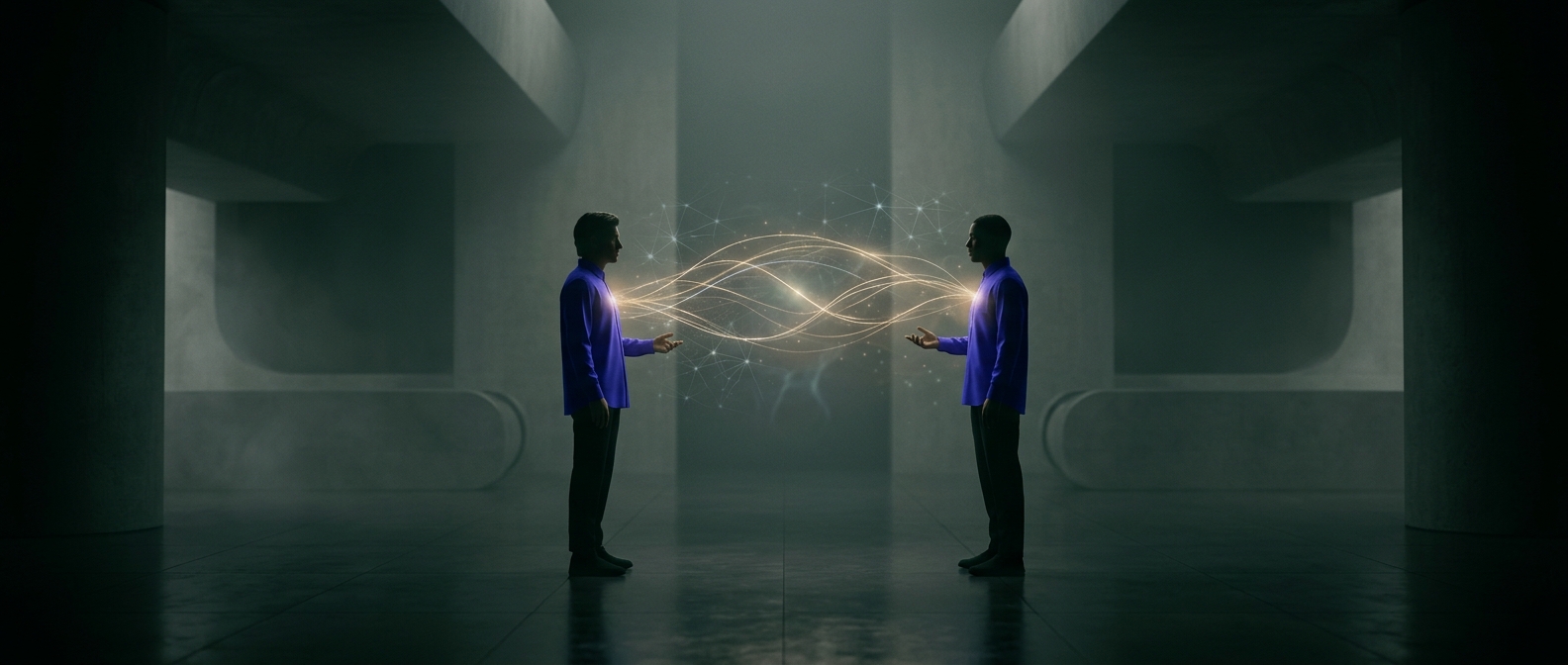
When people walk together, they do more than travel side by side: they coordinate. Each person can read the other’s pace and adjust without discussing it, much as people take turns in conversation. A slight slowdown, a pause, or a change in direction helps keep the pair together and the interaction comfortable.
That coordination can happen automatically. People may fall into a shared rhythm, subtly changing stride length or timing to stay alongside one another. The result is a pace shaped by both walkers—not simply the pace either would choose alone.
Alone, Your Own Pace Sets the Rhythm
Without a companion to track, you can follow your own preferred combination of speed and effort. If you have somewhere to be, there is no need to preserve an easy conversational pace; if you are tired, there is no one else’s stride to match. Attention also shifts: instead of monitoring another person’s position or responding to conversation, you can focus on where you are going.
So walking alone may feel faster even when the difference is small. The change is not necessarily a burst of extra energy; it can be the removal of tiny adjustments that kept a shared walk in sync. And it is not universal: a companion who walks quickly can pull your pace up, while a solo stroll can be slower than any walk with company.
The revealing detail is that walking speed is partly social. A pair’s pace is a quiet compromise, while a solo walker gets to set the rhythm.