How real animals informed The Lion King
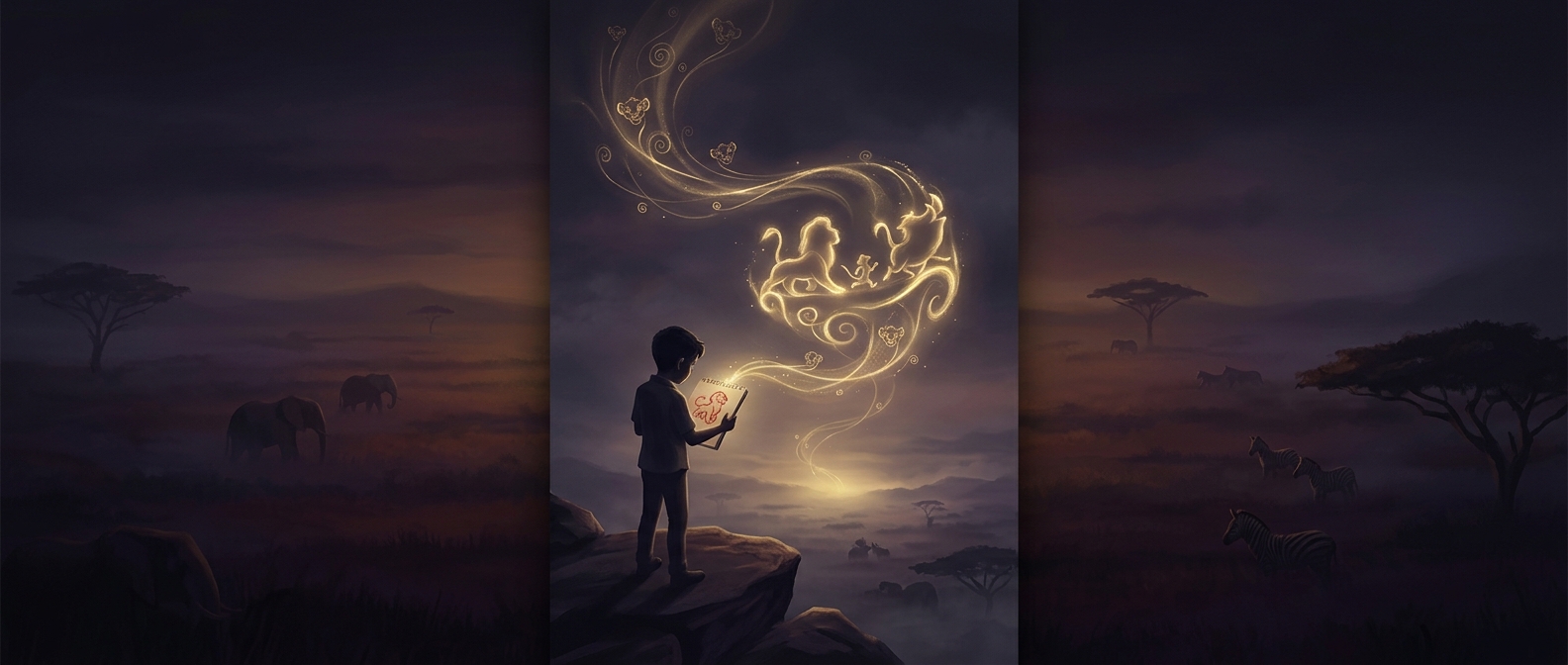
To draw a convincing lion, an animator had to solve more than a question of appearance. The animal’s weight, balance, and timing all shape how it moves. A lion’s shoulders rise and fall as it walks; its paws meet the ground with a different rhythm from a human character’s steps. Watching a living animal gave artists a moving reference for those details, not just a still image to copy.
Turning observation into animation
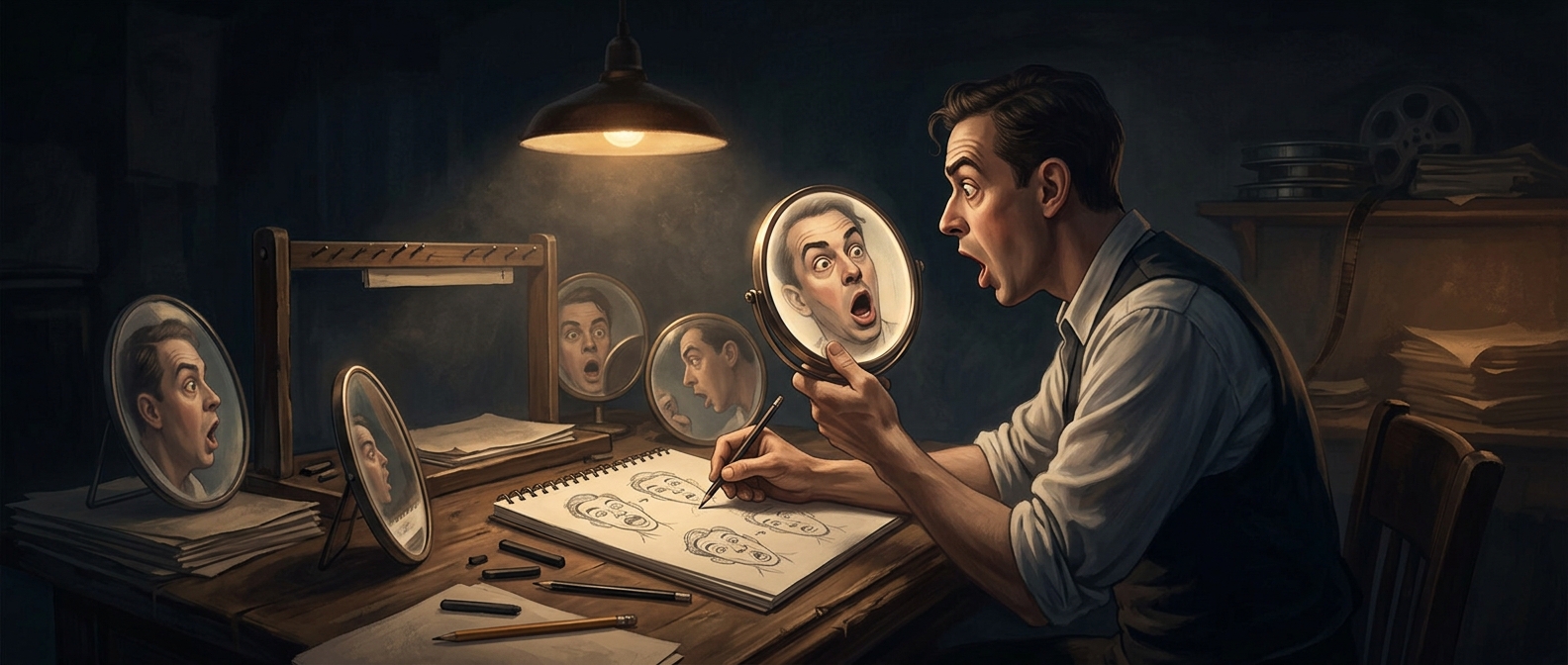
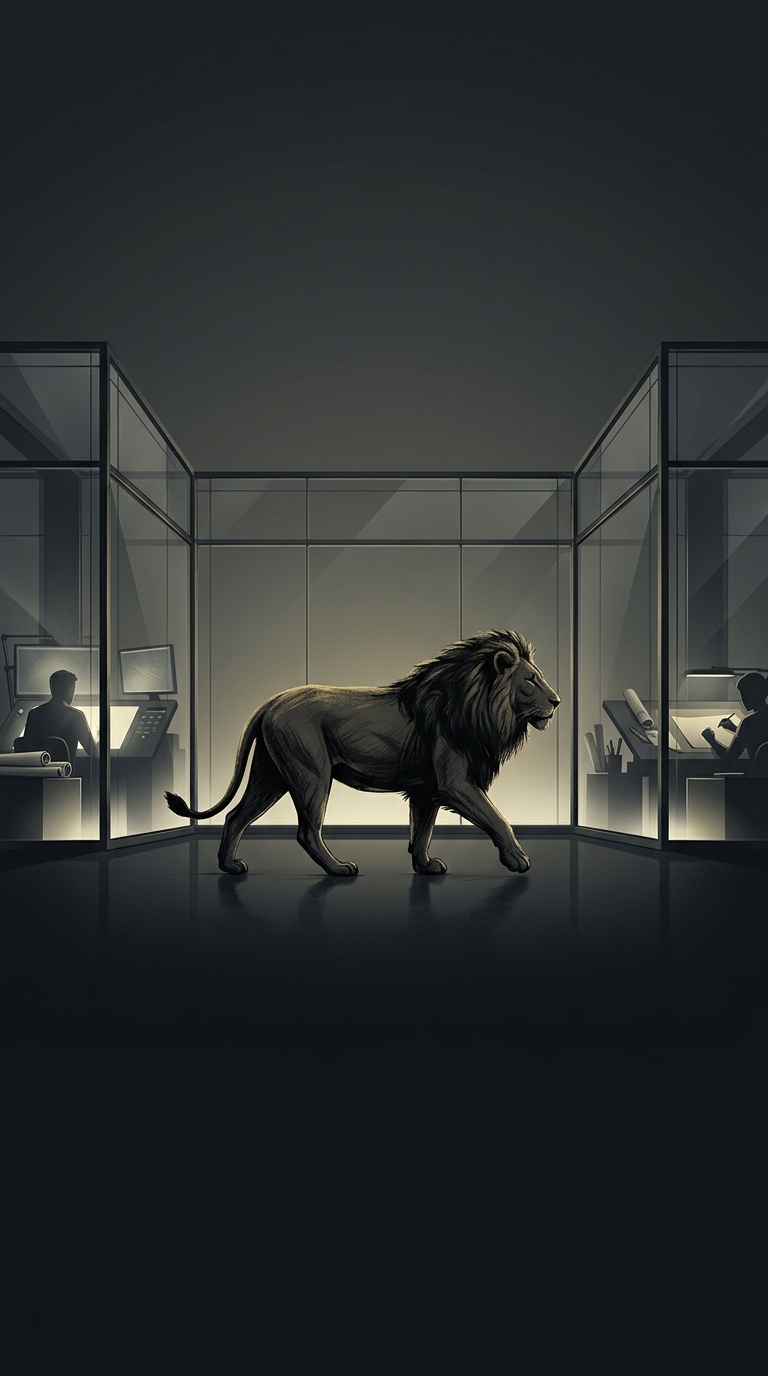
At the studio, artists watched the animals pace within enclosed observation areas and sketched what they saw. They could follow how muscles shifted beneath the body, how a head turned, and how facial features changed with movement. Those observations helped them build a visual vocabulary for the characters’ bodies and expressions.
The sketches were not meant to dictate every frame. Animation requires choices: a gesture may need to read clearly, or a pose may need to communicate a character’s mood. Reference supplied a physical starting point, while artists shaped that material into performances that worked on screen.
Accuracy without losing character
That balance mattered because The Lion King asked viewers to recognize real animals while also treating them as expressive dramatic characters. A mechanically accurate motion can feel flat if its intention is unclear; a highly stylized one can stop feeling like an animal. Studying live wildlife helped the artists anchor their designs in recognizable anatomy and movement, then exaggerate selectively so a glance, stride, or stance could carry meaning.
The result was a practical exchange between observation and imagination: the animals showed how a lion’s body could move, and the animators decided what that movement should say.