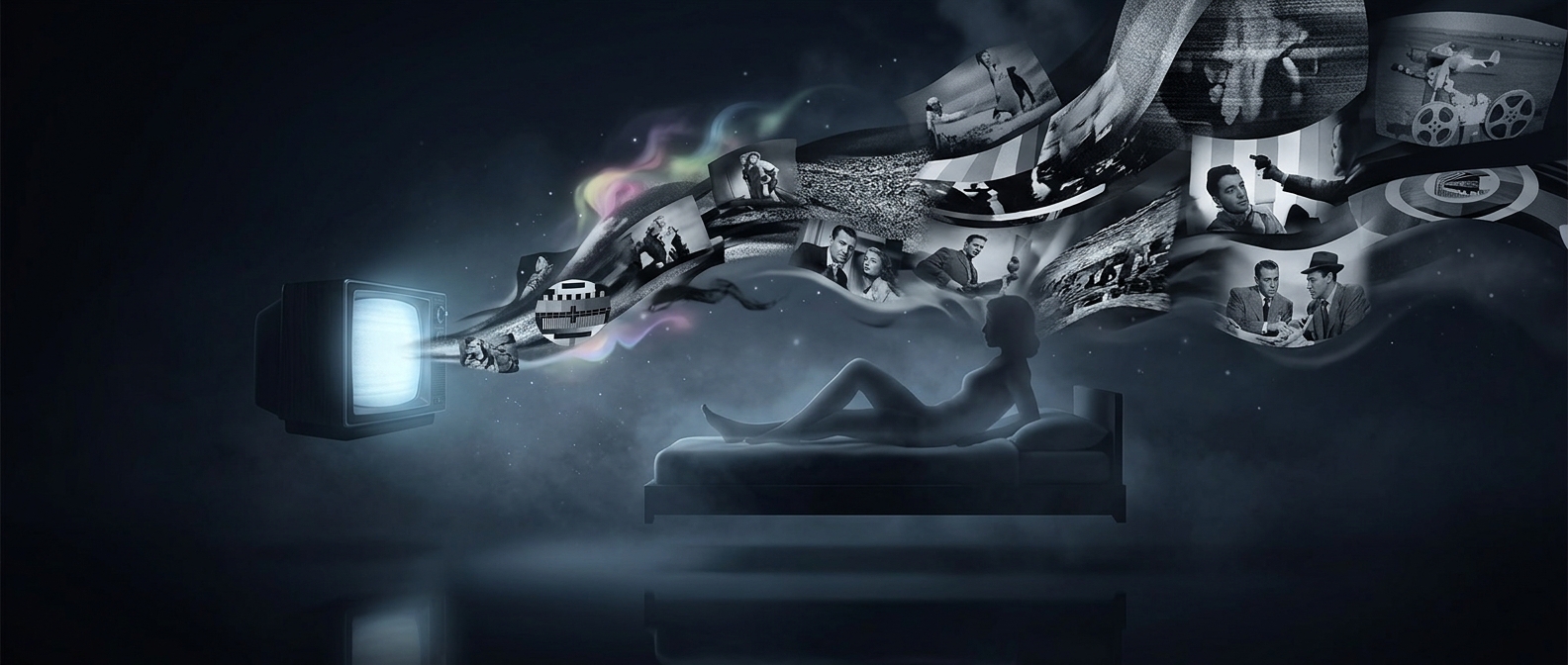
Why a dream might seem grayscale
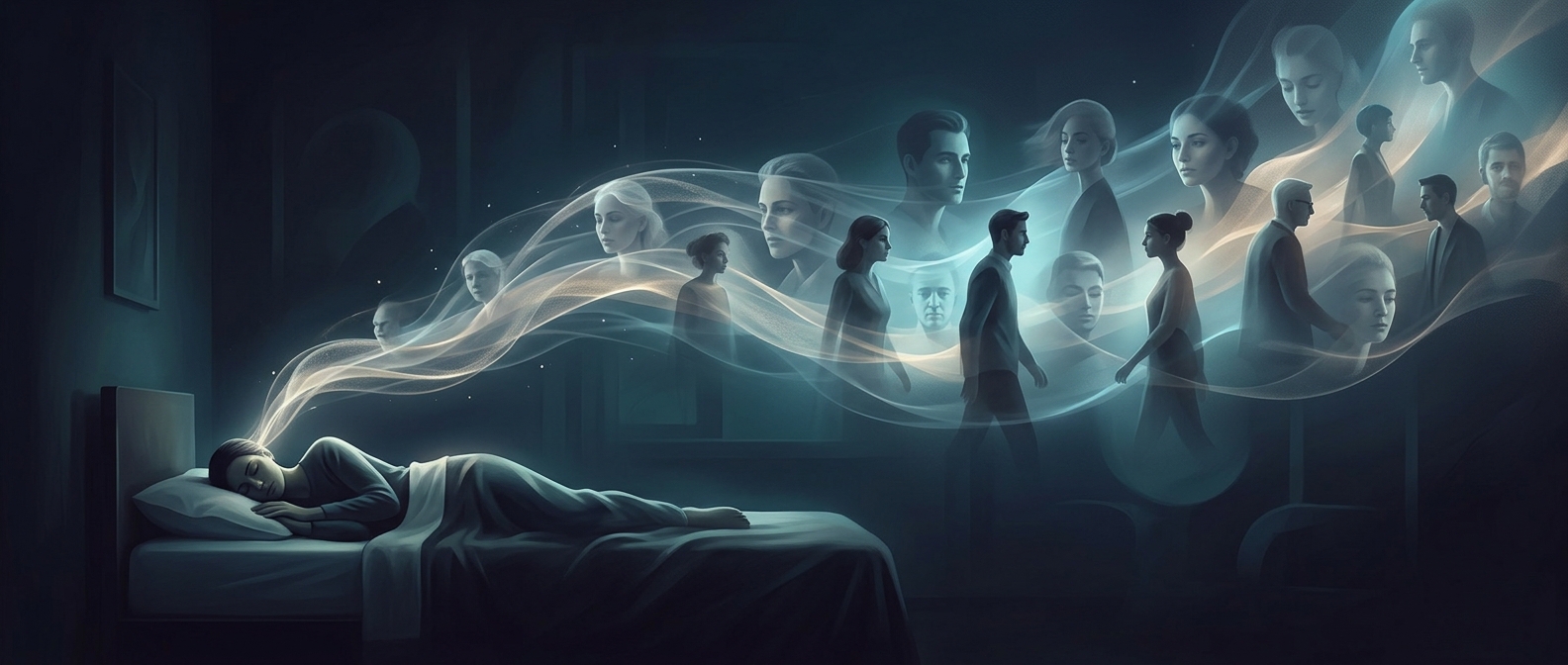
A dream is not usually recorded like a film and replayed intact at breakfast. Dreamers often remember only fragments, and those fragments can be vague about color. When someone later describes a dream, the mind may fill in missing details using familiar visual expectations. A person accustomed to seeing black-and-white television could therefore recall a scene as grayscale, even if the dream itself had no clearly defined palette.
Waking images can shape what we remember
Television offered a striking, repeated source of imagery: faces, rooms, and stories presented either in shades of gray or in color. That exposure may have influenced the visual conventions people brought to dreams—or, just as plausibly, how they interpreted and remembered them afterward. As color broadcasts became ordinary, some viewers later reported color dreams. Such reports suggest a connection between waking experience and dream recollection, but they do not establish that television directly switched dreams from one format to another.
The distinction matters because a remembered dream is evidence about what a person recalls, not a perfect window into what happened during sleep. The same scene can be vivid in its action but uncertain in its color, leaving everyday visual habits to supply what memory does not preserve.