How the Kidneys Respond to Extra Sodium
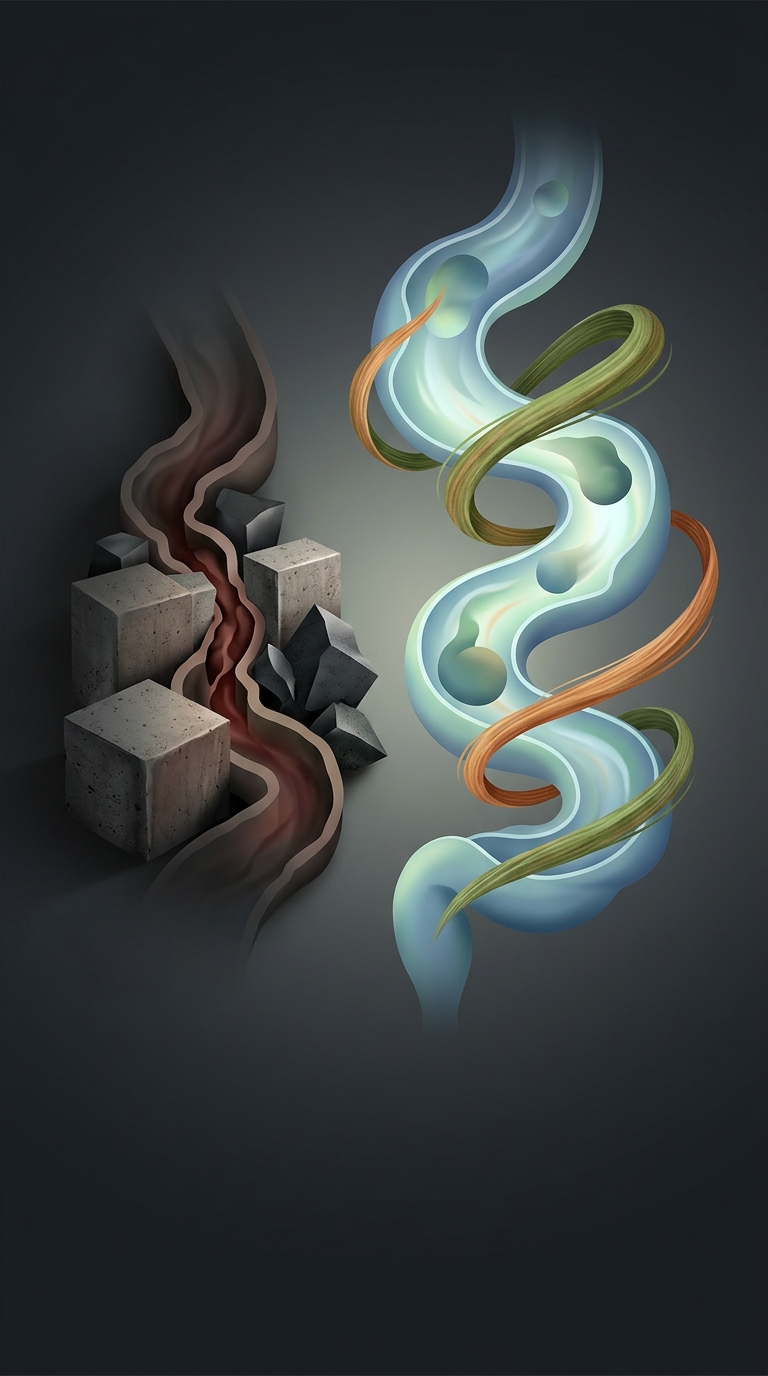
Sodium helps regulate how much water is inside and around the body’s cells. When more sodium enters the bloodstream than the body needs, the kidneys work to remove it in urine. Until that excess is cleared, however, the body may hold on to additional water to keep the concentration of sodium in its fluids within a workable range. Saltier food can also make you thirsty, adding more water to the system.
More Fluid Can Mean More Pressure
Blood pressure depends partly on how much blood is moving through the blood vessels and how much resistance those vessels create. If retained water increases the fluid circulating in the bloodstream, the heart has more volume to move, which can push pressure upward. This is a gradual balancing response, not a sudden, violent surge that happens to everyone after a salty meal.
The size and duration of the effect vary. Healthy kidneys can clear extra sodium and water, while some people—particularly those whose bodies are more sensitive to sodium or whose kidneys or circulation are impaired—may retain more fluid or see a larger blood-pressure change. Over time, a consistently high-sodium diet can make blood pressure harder to control.
Why the Response Matters
A single salty meal does not predict an individual’s blood pressure. The important issue is repeated exposure: when sodium intake regularly outpaces the body’s ability to manage it, the added fluid burden can contribute to persistently higher pressure. That is why sodium’s effect is best understood as a pressure cost that builds through the body’s fluid-balancing system, not as an instant reaction guaranteed in every person.