How a fast rise in blood sugar can affect how you feel
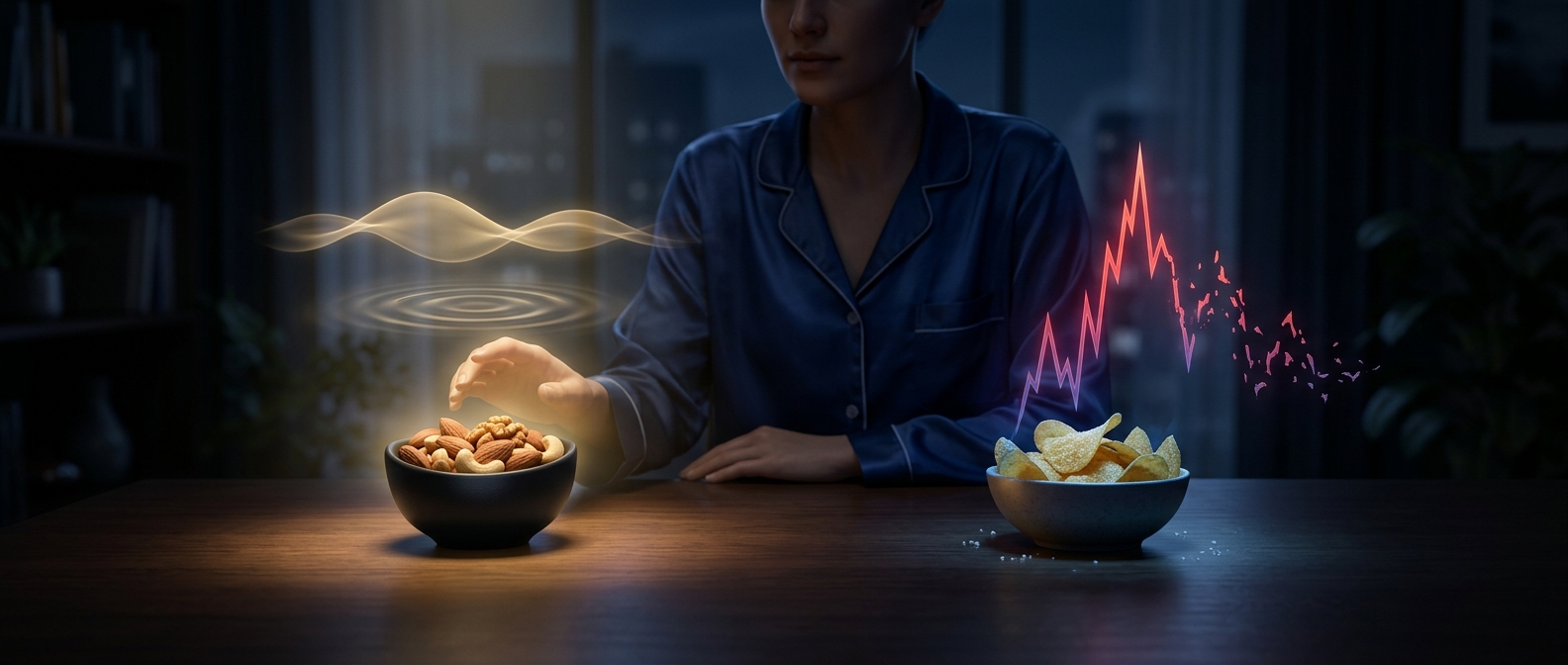
After a meal or snack rich in quickly digested sugars, glucose—the sugar circulating in your blood—can rise rapidly. Your body responds by releasing insulin, a hormone that helps move glucose from the bloodstream into cells, where it can be used for energy. As glucose levels come down, some people notice that their energy feels less steady, and their mood may shift along with it.
That response is not the same for everyone. The size and timing of a meal, what else you ate, and individual differences can all shape how the body responds. A mood dip after eating also does not, by itself, prove that blood sugar caused it.
Why the rest of the meal matters
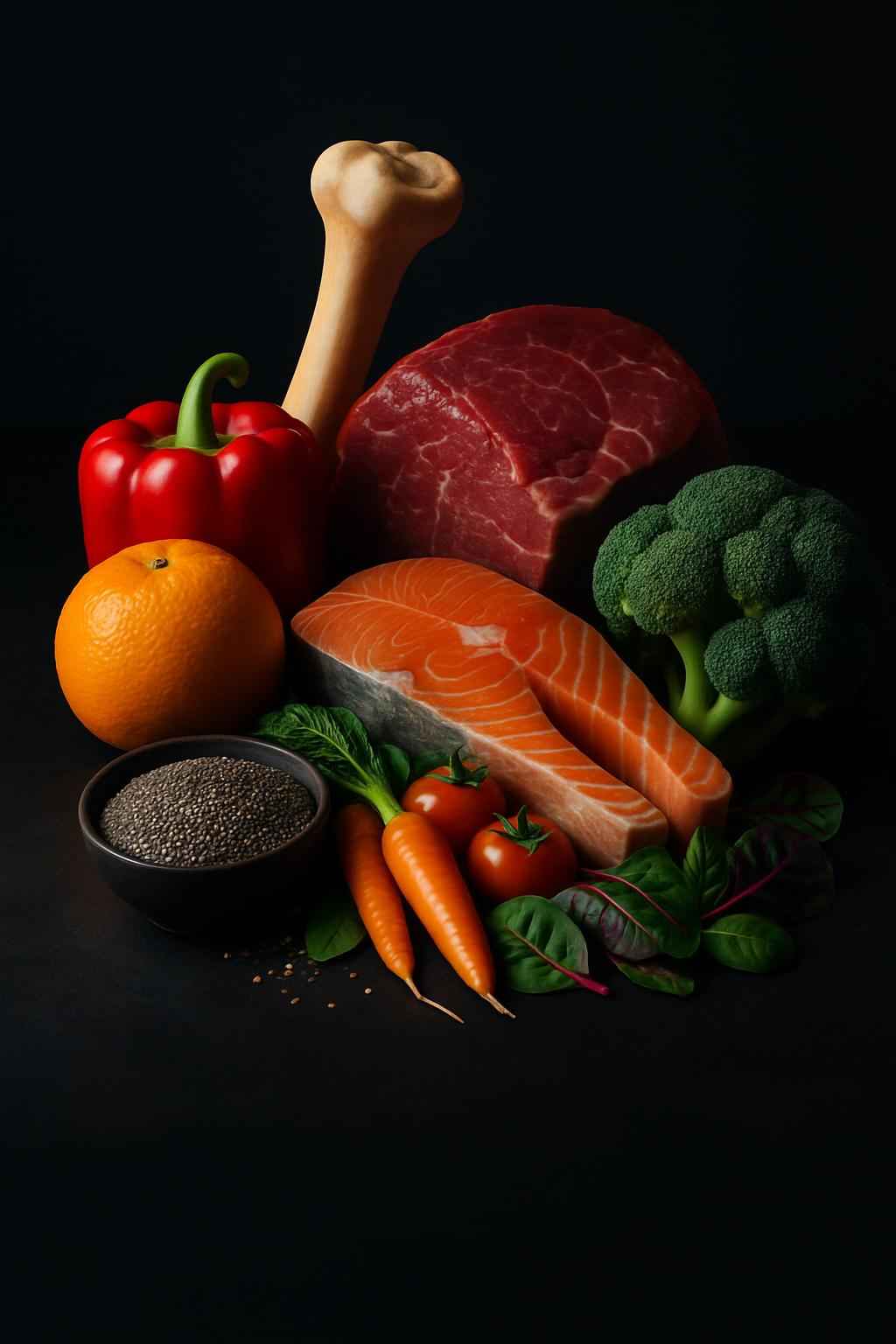
Foods are digested at different rates. Sugary drinks and sweets can deliver carbohydrates quickly. Protein and fiber-rich whole grains slow digestion, so glucose tends to enter the bloodstream more gradually. Pairing carbohydrates with protein or fiber can therefore make a meal’s energy supply feel steadier than relying on a quick burst of sugar alone.
The practical difference is not that sugar is inherently a mood problem or that one kind of food guarantees a certain feeling. It is that meals built around slower-digesting foods may be less likely to produce a sharp rise-and-fall pattern for some people. If you notice recurring changes in mood or energy after eating, the useful clue is the pattern across meals—not a single snack or a presumed cause.