Why a slower snack may suit the hours before bed
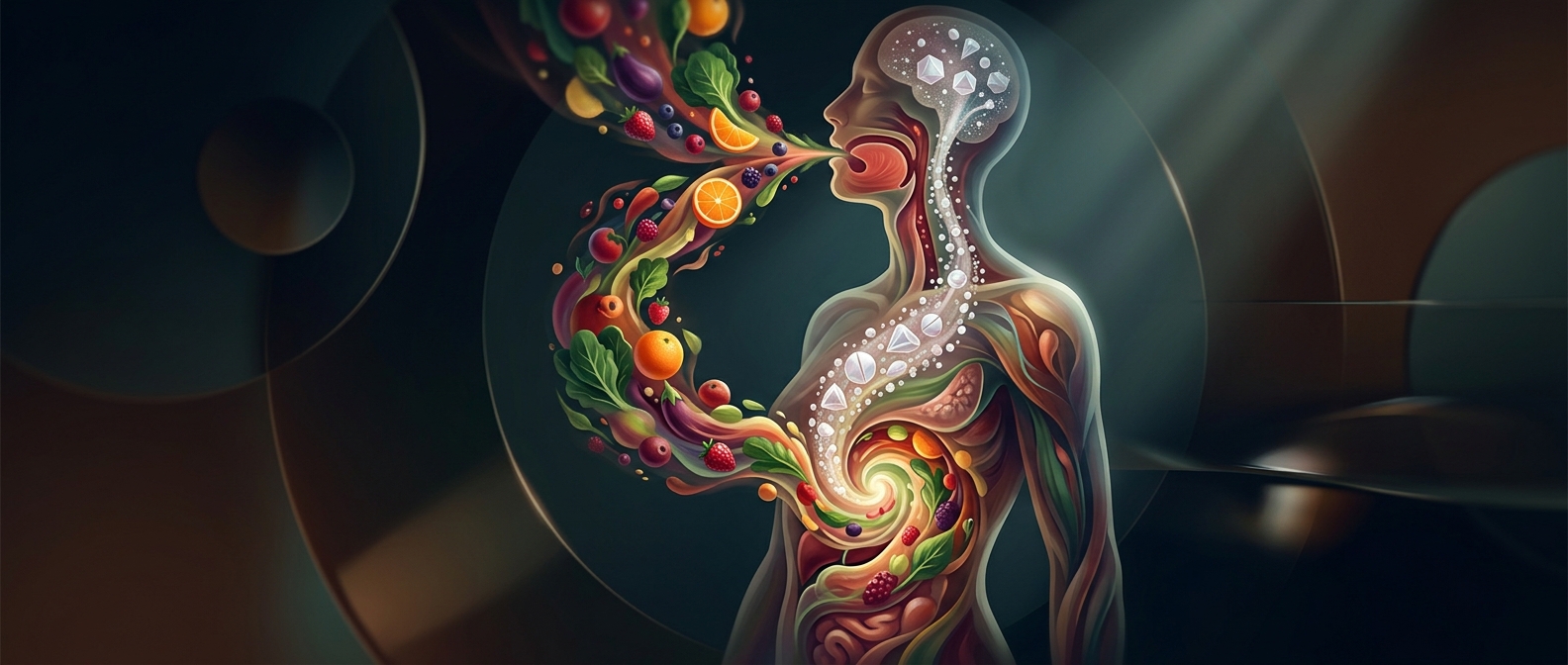
A high-starch snack such as chips is broken down into glucose, the sugar cells use for energy. How quickly that happens depends on the food’s composition and what else is eaten. Nuts contain fat, protein, and fiber, which can slow digestion and the movement of nutrients into the bloodstream. That may make the rise in blood sugar more gradual than after a snack made mostly of quickly digested starch.
This is not a switch that turns sleep on or off. Blood sugar naturally changes after eating, and a gradual rise does not guarantee a night of better rest. But for someone who gets hungry late at night, a snack that digests more slowly may avoid the sharper swings associated with some refined, starchy foods.
What magnesium can—and cannot—explain
Nuts also provide magnesium, which the body uses in ordinary nerve and muscle function. That gives the mineral a plausible connection to the body’s systems involved in winding down, but it does not mean that eating nuts acts like a sedative. A food’s magnesium content alone cannot establish that it will improve sleep for a particular person.
The practical difference is modest: the choice changes the mix of nutrients the body has to digest, not the basic need for healthy sleep habits. If the late-night snack is the issue, replacing a mostly starchy option with a small serving of nuts may be a steadier choice—without promising that the next morning will feel different.