What “hesychasm” means
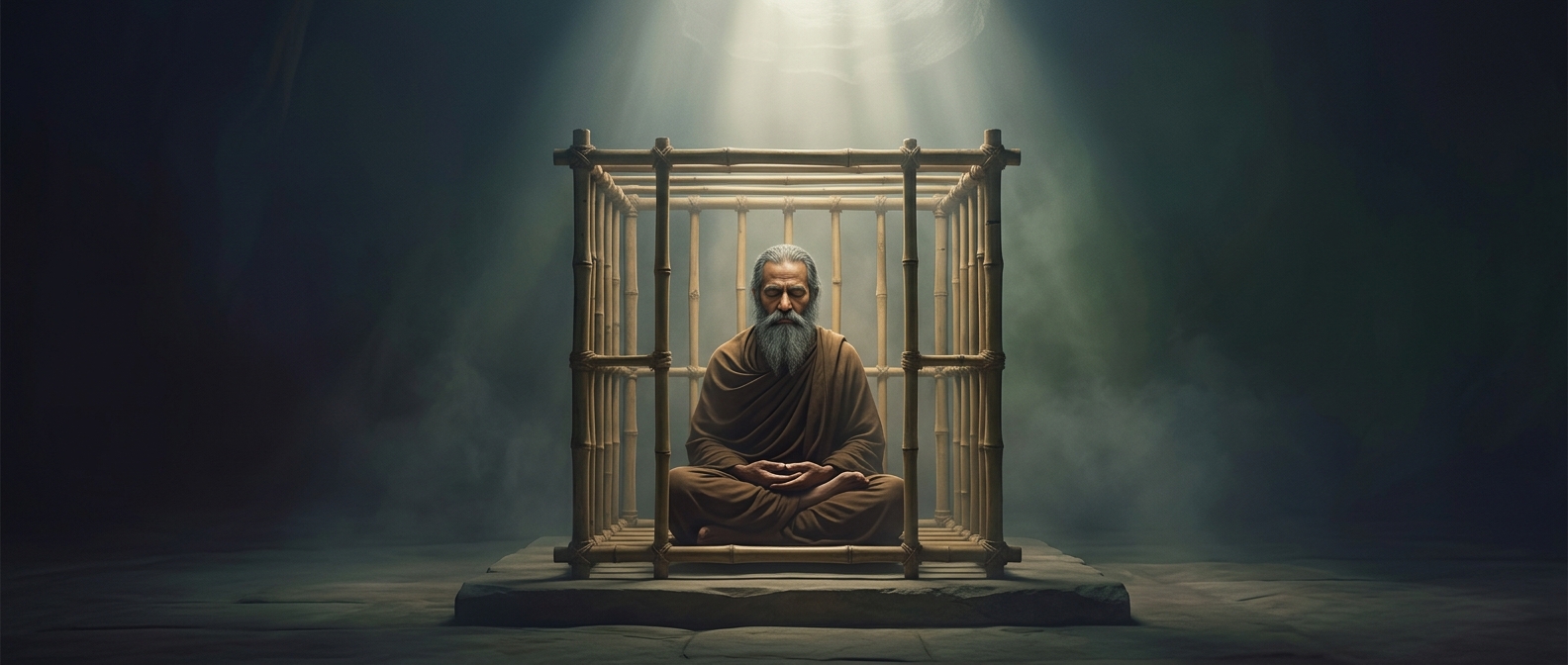
Hesychasm comes from a Greek word for stillness or quiet. In Eastern Orthodox Christianity, it names a tradition of prayer and spiritual discipline, not simply a technique for concentration. The Jesus Prayer is its best-known repeated prayer, commonly phrased, “Lord Jesus Christ, Son of God, have mercy on me, a sinner.” Its words combine an appeal to Jesus with a request for mercy.
Repetition is meant to gather attention
The practice gives the mind a short, familiar phrase to return to when thoughts wander. Rather than composing a new prayer each time, the person repeats the same words and attends to their meaning. The aim, in the tradition’s own terms, is to bring the mind and heart into prayerful attention—to make prayer less dependent on finding fresh words and more continuous through the day.
That distinction matters: the repetition is not treated as a spell or a way to force a mystical experience. It is part of a wider life of prayer, humility, and spiritual discipline. Some practitioners also coordinate the words with breathing, but the prayer’s purpose is not simply to control the breath or produce a particular sensation.
A discipline, not a shortcut
Hesychast writings caution against treating inner experiences as proof of spiritual progress. The practice is traditionally approached with guidance and patience, because intense inward attention can be misunderstood when pursued as a private experiment. Its practical consequence is quieter and more durable: a brief prayer can be carried into ordinary moments, giving attention a familiar place to return when the mind is pulled elsewhere.