What the Athonite monks meant by “seeing” divine light
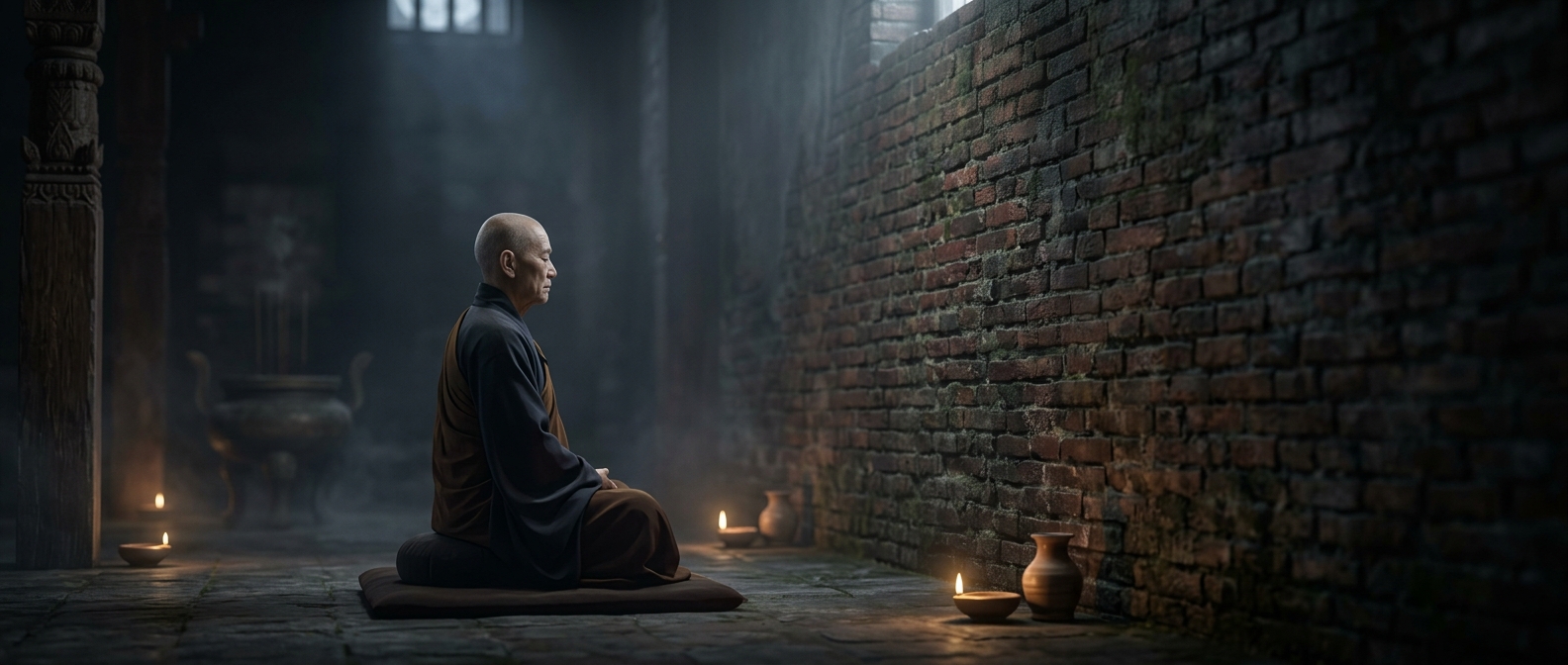
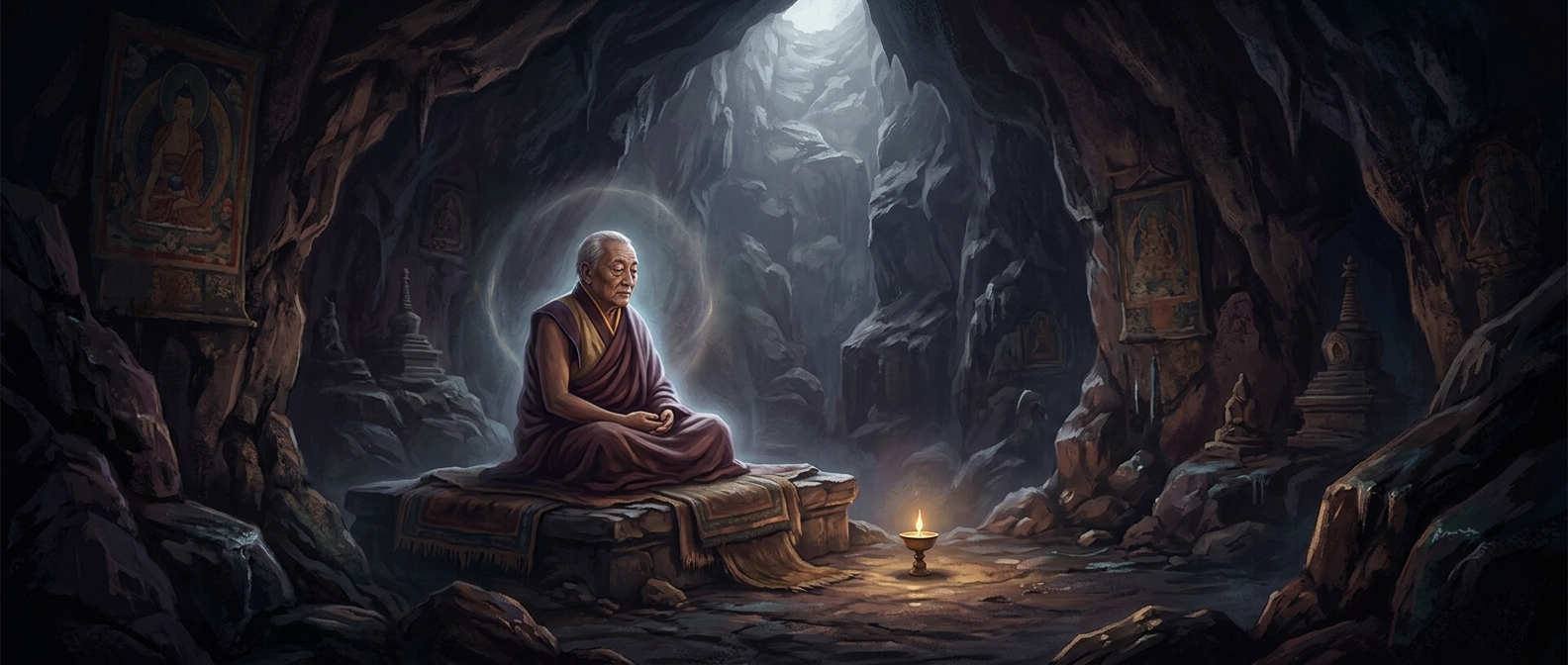
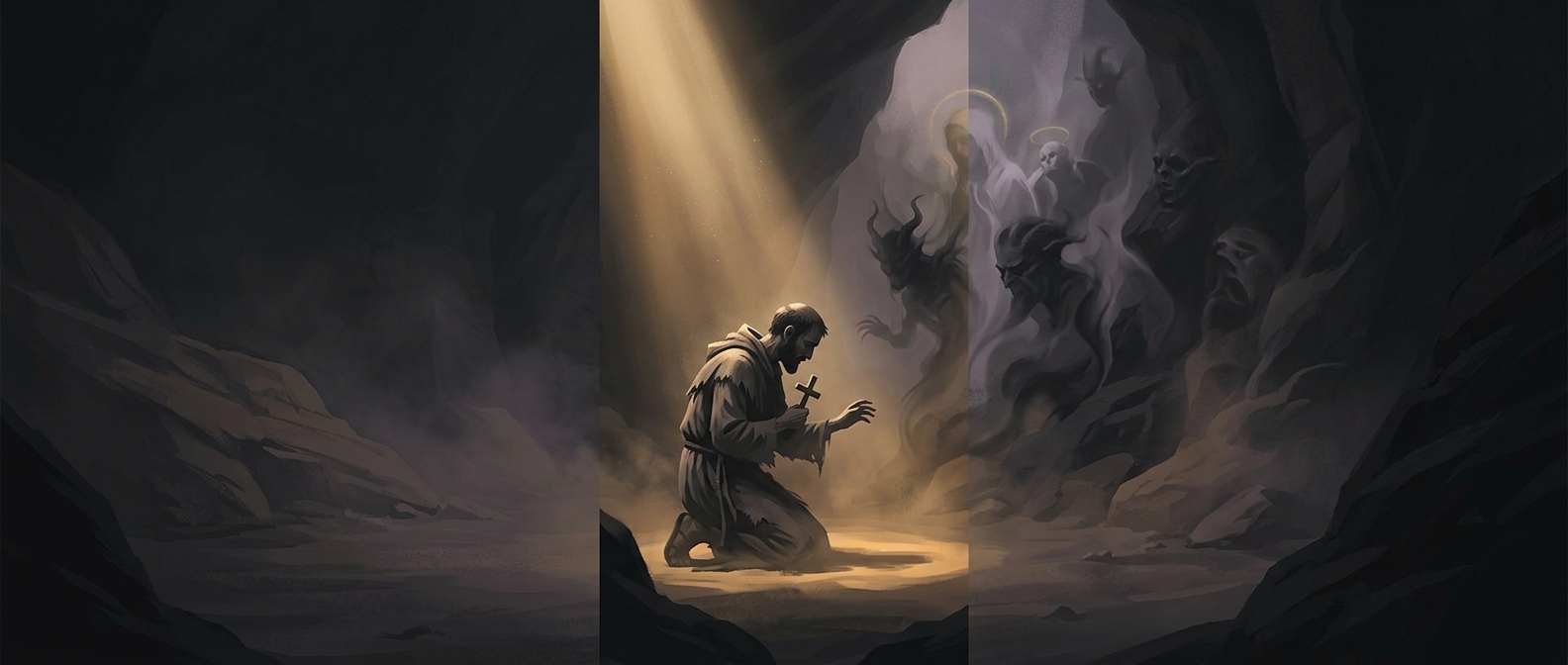
In the fourteenth century, some Byzantine monks known as hesychasts—practitioners of hesychia, or inner stillness—described experiencing a radiant light during intense prayer. They associated it with the light of the Transfiguration, the Gospel episode in which Jesus appears radiant on Mount Tabor. Their claim was not simply that a strong visual sensation had occurred: they understood the light as a real encounter with God.
Hesychast practice centered on the repeated Jesus Prayer, often joined to disciplined attention, quiet, and bodily stillness. Some accounts also mention particular postures and regulated breathing. These were aids to concentration, not a technique proven to deprive the brain of oxygen or to make the retina perceive supernatural light.
Palamas’s theological defense
The controversy turned on what kind of experience the monks were describing. Critics questioned whether bodily sensations or visions could count as genuine knowledge of God. Gregory Palamas, a monk and theologian who became the leading defender of hesychasm, answered within the terms of Orthodox theology: the divine light was not God’s essence—the unknowable reality of God—but God’s uncreated energies, meaning God genuinely present and active without becoming comprehensible in full.
That distinction let Palamas argue that a person could encounter God without claiming to grasp God’s nature. The light of Tabor, in this account, was not ordinary created illumination, nor merely an imagined symbol. It was divine presence made perceptible through grace. The monks’ bodies mattered, but Palamas did not describe prayer as physically upgrading their eyes; he framed perception as a spiritual gift.
Why the dispute mattered
The debate was about the limits of human knowledge as much as about visions. If God could be encountered but never comprehended, mystical experience could be treated as meaningful without making God an object that human senses could master. Palamas’s defense helped establish hesychasm as a central part of Orthodox spirituality—and gave the monks’ startling claim a carefully defined theological meaning.