How a wooden prop gave slapstick its name
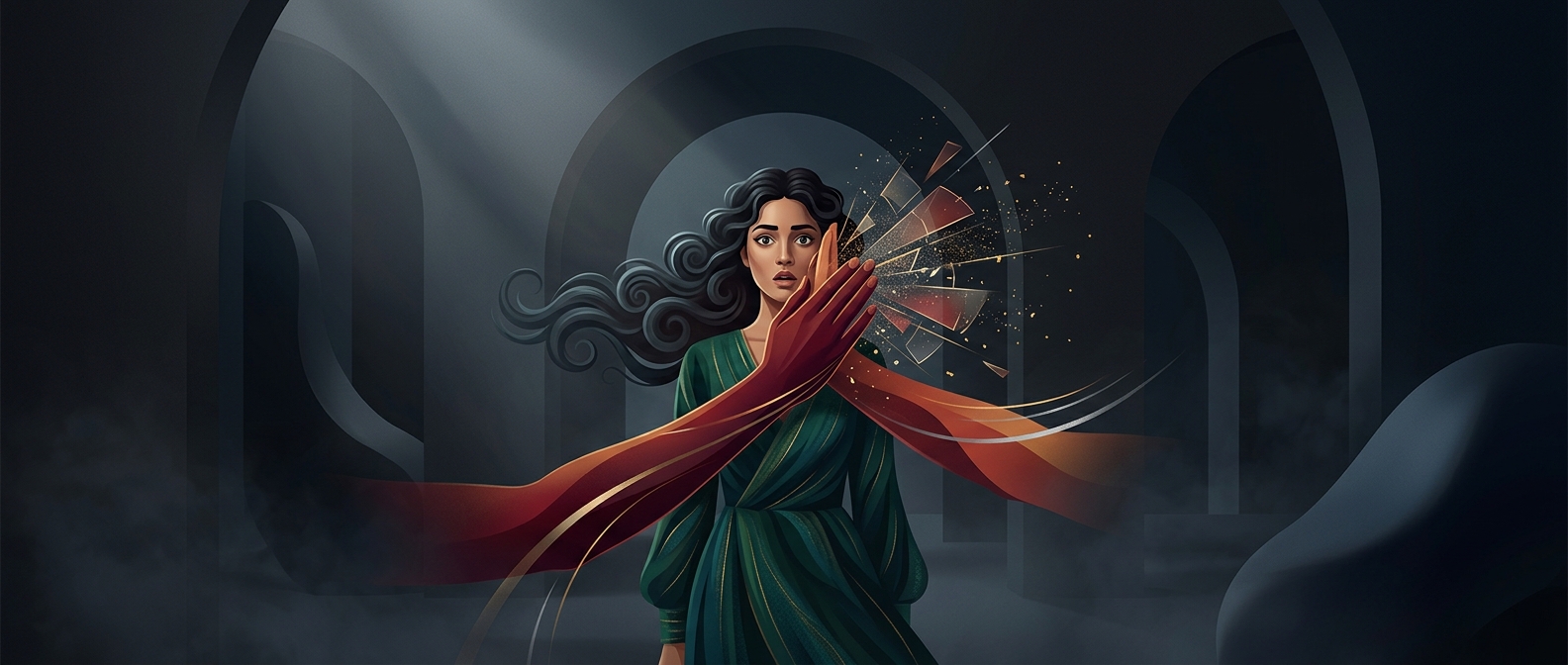
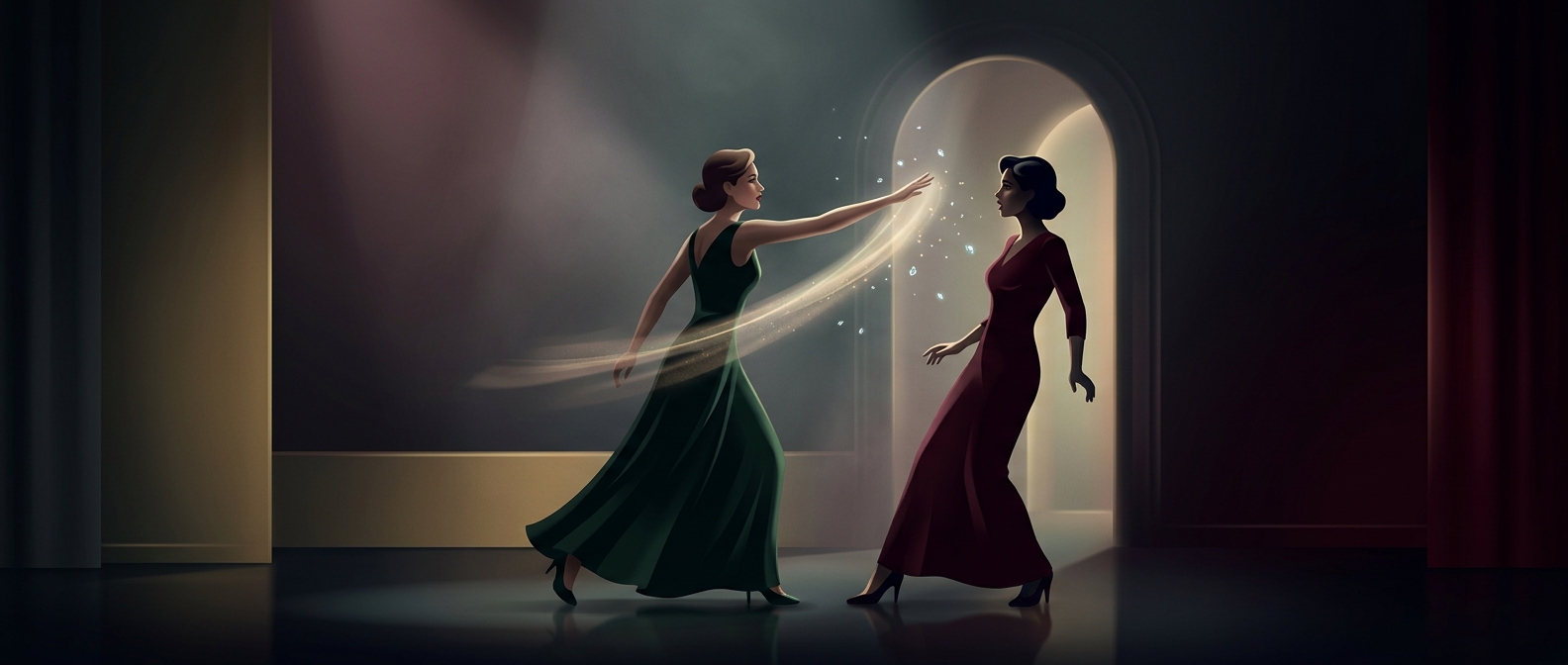
A slapstick is a simple sound-effect device: two thin wooden paddles joined at one end. When a performer swings it, the paddles clap together, producing a sharp crack. The sound suggests a hard blow, while the force is largely absorbed by the prop rather than the person being struck.
That made it useful for theatrical comedy built around exaggerated falls, chases, and mock fights. The audience could hear the impact from a distance, and the performers could repeat the gag without relying on a genuinely dangerous hit. Timing mattered: the crack had to land with the movement so the audience read the action as a blow.
From stage effect to comic style
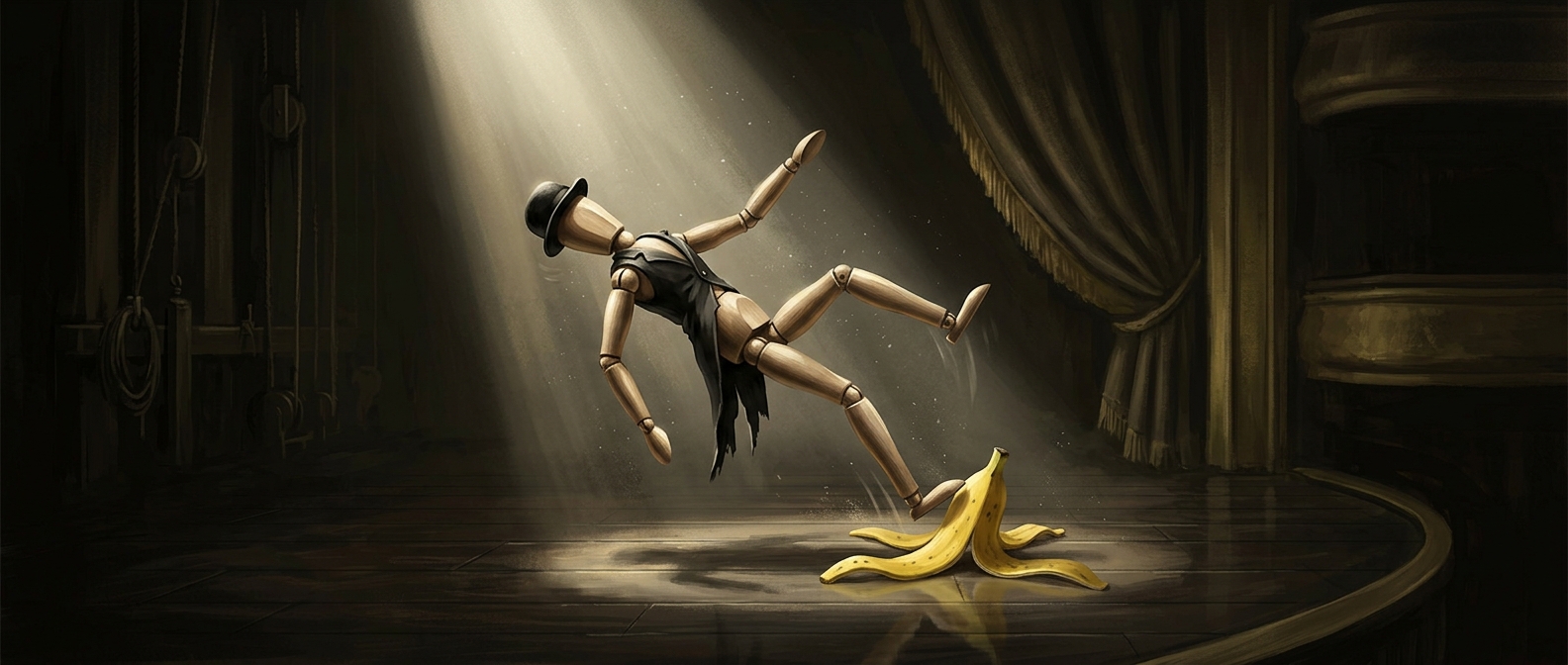
The device’s name eventually became a label for the kind of comedy it helped create. “Slapstick” now describes broad physical humor—falls, collisions, pratfalls, and noisy mishaps—even when no wooden prop is involved. In silent films, for example, performers and filmmakers could build a gag around a fall or collision and let the action itself carry the joke.
The prop captures the central trick of slapstick: make danger look immediate while keeping the performance controlled. Its loud crack is not just decoration; it helps the audience understand the impact, and gives a carefully timed physical gag the force of a real one without requiring it.