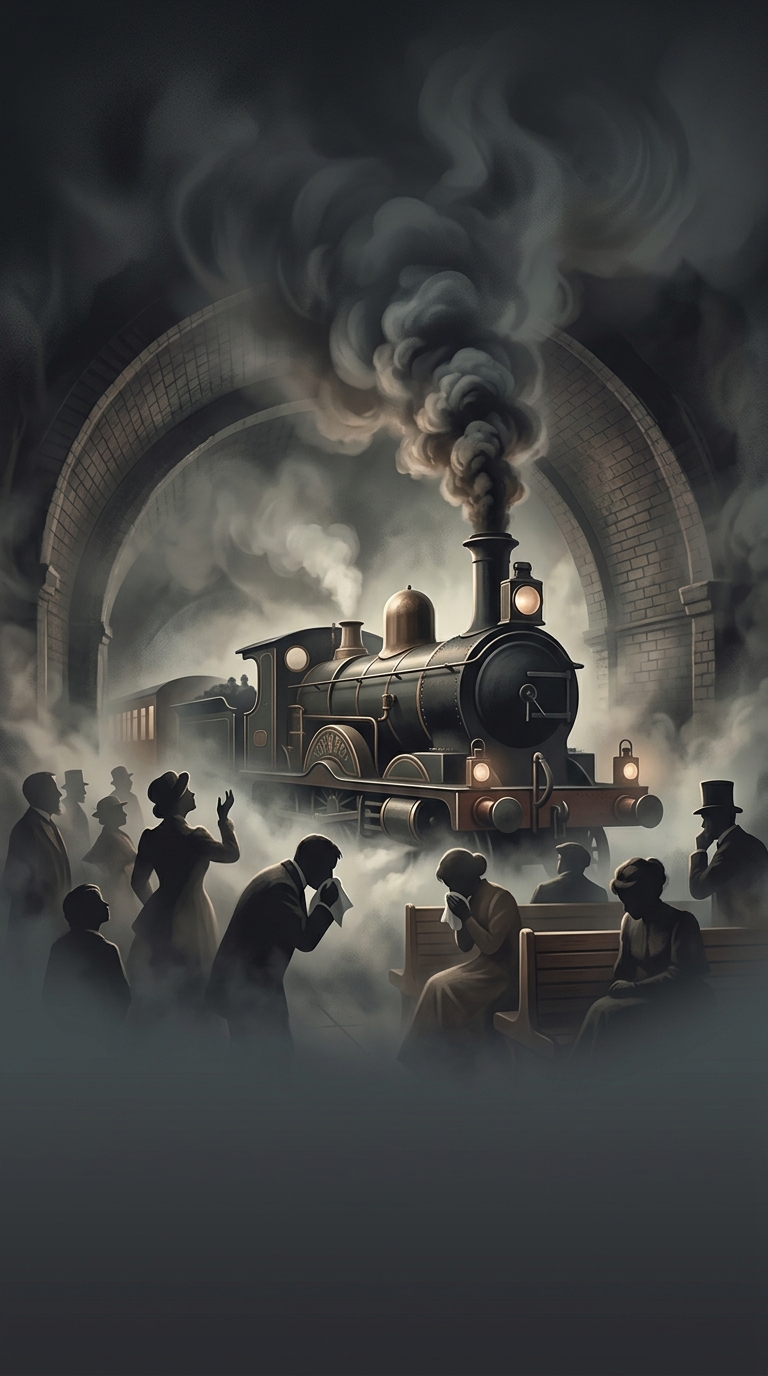
The railway used shallow tunnels to let the air escape
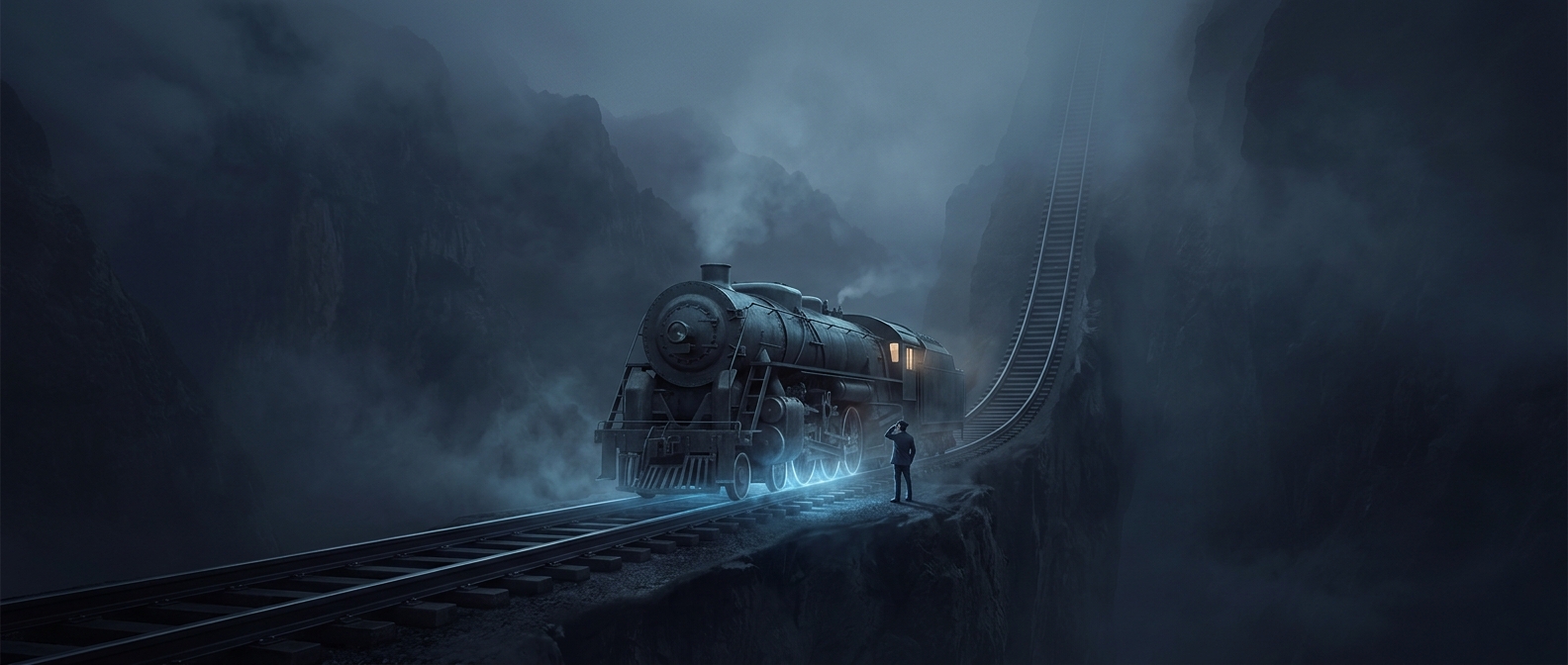
London’s first underground line ran through cut-and-cover tunnels: builders dug a trench, built the railway below street level, then covered it over. This was easier to construct than boring a deep tunnel, but it created a ventilation challenge. A steam locomotive burned fuel in a confined space, and its exhaust had nowhere to disperse unless the railway provided openings to the air above.
The line’s route included ventilation shafts and sections open to the sky. These openings let some hot exhaust rise out instead of accumulating along the whole tunnel. They could reduce the buildup, but they could not make a steam train’s fumes disappear; conditions underground remained smoky and unpleasant.
Coke reduced smoke, but did not remove the problem
The locomotives burned coke, a fuel made by heating coal to drive off many of its volatile components. Compared with ordinary coal, coke generally produced less visible smoke. That mattered in enclosed tunnels, where thick exhaust could quickly obscure the track and make breathing difficult.
But the engine still needed a fire, and combustion still produced exhaust. The railway therefore relied on two partial fixes at once: cleaner-burning fuel to reduce smoke, and openings to carry some of the fumes away. Neither changed the basic fact that a working steam locomotive was releasing exhaust underground.
The compromise shaped later subway engineering
The first line showed that underground rail travel was possible, but also that tunnel depth and ventilation were inseparable design problems. Shallow routes could be opened to the surface more readily; deeper tunnels could not rely on the same kind of openings along their length. Later deep-level lines used electric trains, which produced no exhaust in the tunnel itself.
So London’s first subway was not a smoke-free solution to underground travel. It was a practical compromise: burn a less smoky fuel, give the fumes ways out, and accept that passengers would still encounter the limits of steam beneath the city.