Why the Last Car Needed Its Own Monitor
Freight trains use a continuous air-brake line running through the cars. The locomotive’s controls change the air pressure in that line to apply or release the brakes. Because a train can stretch for many cars, pressure at the locomotive does not always tell the crew exactly what is happening at the far end.
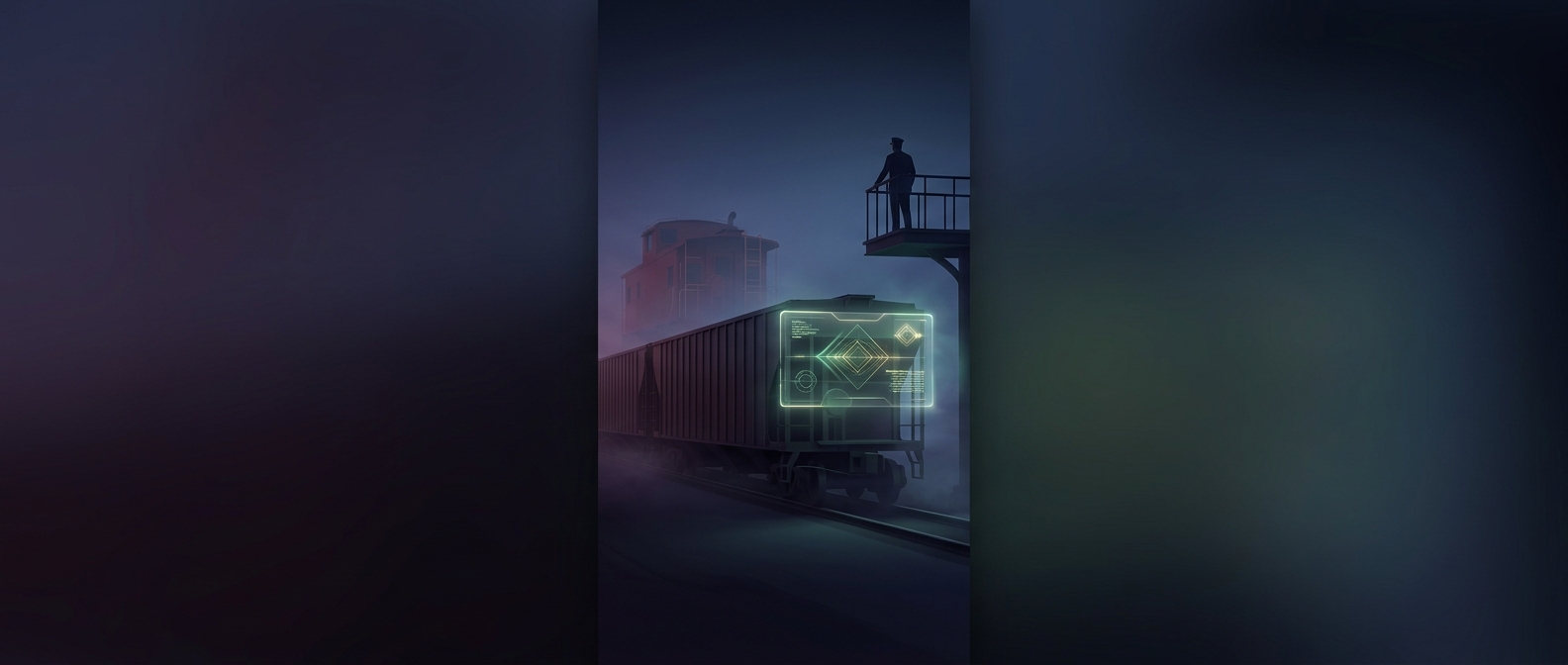
A caboose once gave a crew member a place at the rear to watch the train and help spot trouble. As railroads adopted electronic end-of-train devices, that separate staffed car was no longer needed for brake-line monitoring alone.
How the Signal Helps the Crew
A compact sensor attached to the last car measures the brake-line pressure there and transmits the reading by radio to a display in the locomotive. The engineer can compare the rear reading with the pressure at the front and confirm that a brake command has reached the end of the train.
That matters because a major pressure change can signal a problem such as a broken air hose or a separation between cars. Instead of relying on someone in a caboose to observe conditions at the rear, the crew gets an electronic reading while remaining in the locomotive.
A Change in What the Train Carries
The device does not eliminate the need to inspect trains or respond to brake problems. It replaces one specific job: keeping a person at the back to monitor brake-line conditions. A small sensor and radio link can do that continuously without requiring the train to haul an occupied office behind its last freight car.