Why some apples made eating a chore
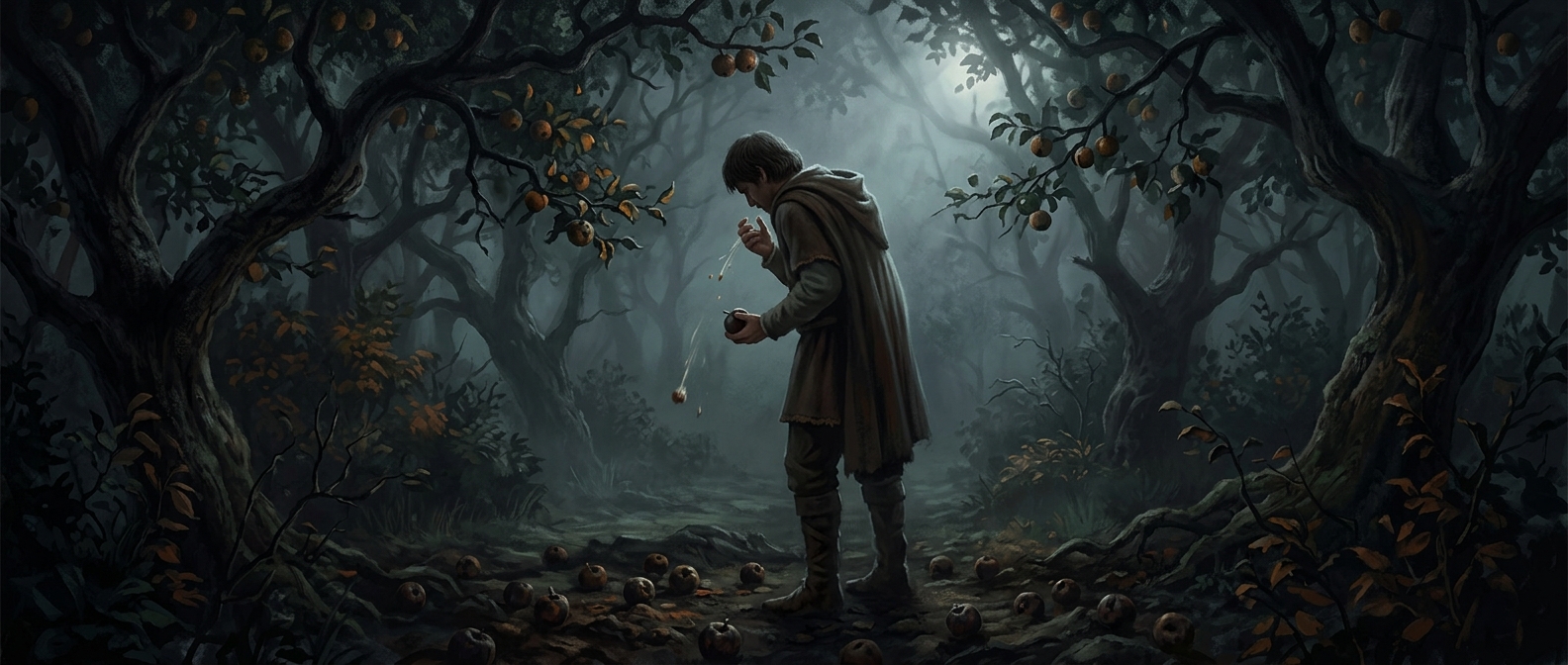
A wild apple growing from seed was a gamble. Its fruit could be sharp with acid, bitter with plant compounds, or strongly astringent—the drying, puckering sensation that makes the mouth feel as if its moisture has vanished. Tannins can cause that sensation by binding to proteins in saliva. When a bite was unpleasant enough, spitting it out was the natural response, and such fruit acquired the nickname “spitters.”
That roughness was not a flaw shared by every wild apple. Seed-grown trees vary, and their fruit can differ greatly even when the trees grow in the same area. A tree that produced crisp, sweet fruit might stand beside one whose apples were barely worth tasting.
How a lucky tree became an orchard variety
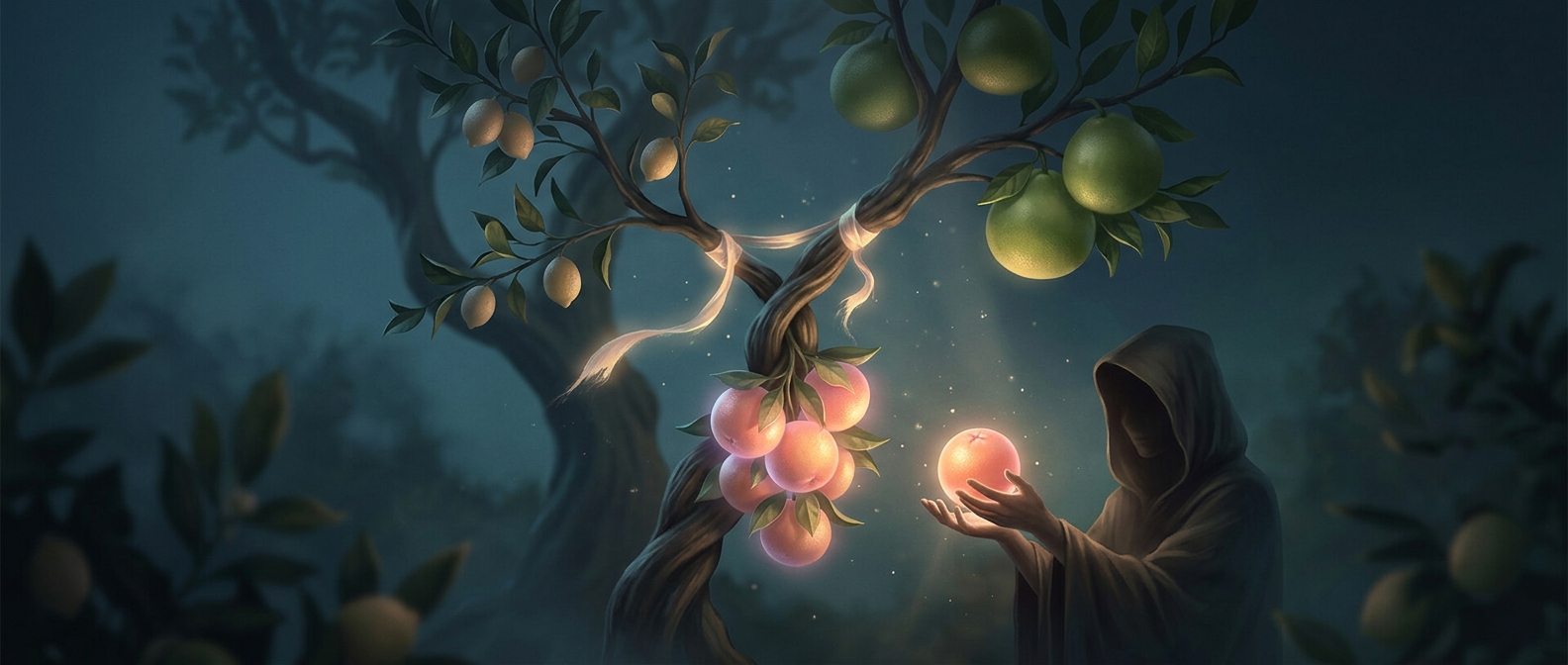
People who found a desirable tree could preserve it by grafting: attaching a cutting from that tree to another tree’s roots. Unlike planting one of its seeds, grafting reproduces the same variety, keeping the traits that made its fruit worth eating.
That distinction helped turn chance discoveries into dependable orchard crops. Instead of hoping each new seedling would be pleasant, growers could multiply a tree that had already passed the taste test. An apple’s sweetness was not just a matter of ripeness; it could determine whether a particular tree was worth propagating at all.