How bananas changed from seed-filled fruit
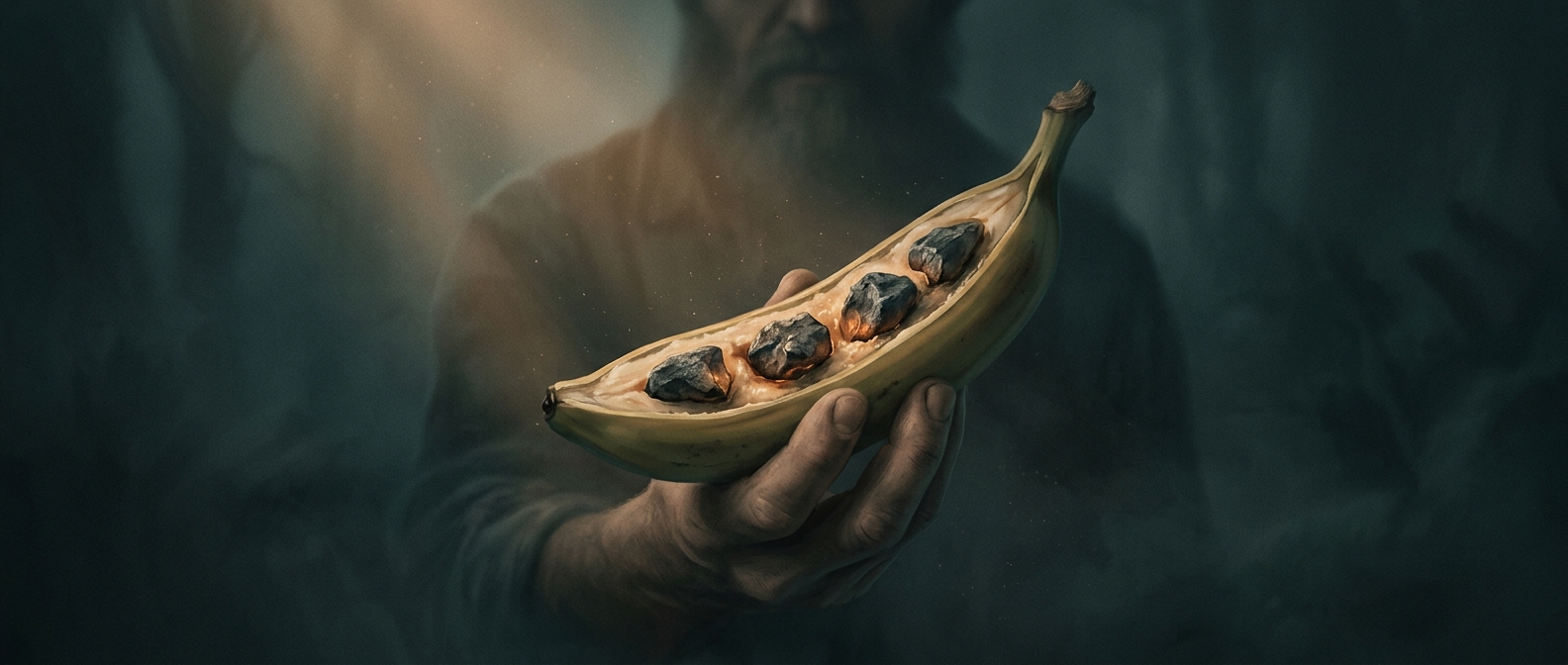
Wild bananas were built for reproduction: their fruit carried numerous hard seeds, while the surrounding flesh was relatively scant. For an animal that swallowed the fruit and dispersed the seeds, that arrangement worked. For a person hoping for a substantial snack, it was inconvenient.
Among the plants people gathered and cultivated, some produced fruit with fewer seeds and more soft flesh. The change was especially useful because the edible part of a banana is the fruit’s fleshy interior, not the seeds; as seeds became reduced, more of each fruit could be eaten.
Farmers kept the useful plants growing
A key step was preserving plants that made better fruit rather than relying only on seed. Many cultivated bananas can produce fruit without fully developed seeds. They are also often sterile, meaning they cannot reliably make new plants through ordinary sexual reproduction.
Instead, growers propagate them from shoots, called suckers, that sprout near the base of an established plant. A sucker is effectively a continuation of the parent, so it can preserve the traits that made that plant desirable. Farmers could keep planting bananas with tender, pulp-rich fruit, even when those plants could not produce viable seeds of their own.
Selection shaped the familiar banana
This was not a single moment when someone invented the modern banana. Over generations, people favored plants whose fruit was easier to eat and multiplied them by replanting their shoots. The result was a crop whose success depended on human care: the traits that made its fruit appealing also made many cultivated bananas poor at reproducing without growers.
That tradeoff is still visible in the fruit. A cultivated banana may contain tiny, undeveloped seed remnants, but its soft flesh comes from a long history of people choosing plants that offered more to eat and fewer hard obstacles.