How a phage turns a bacterium into a factory
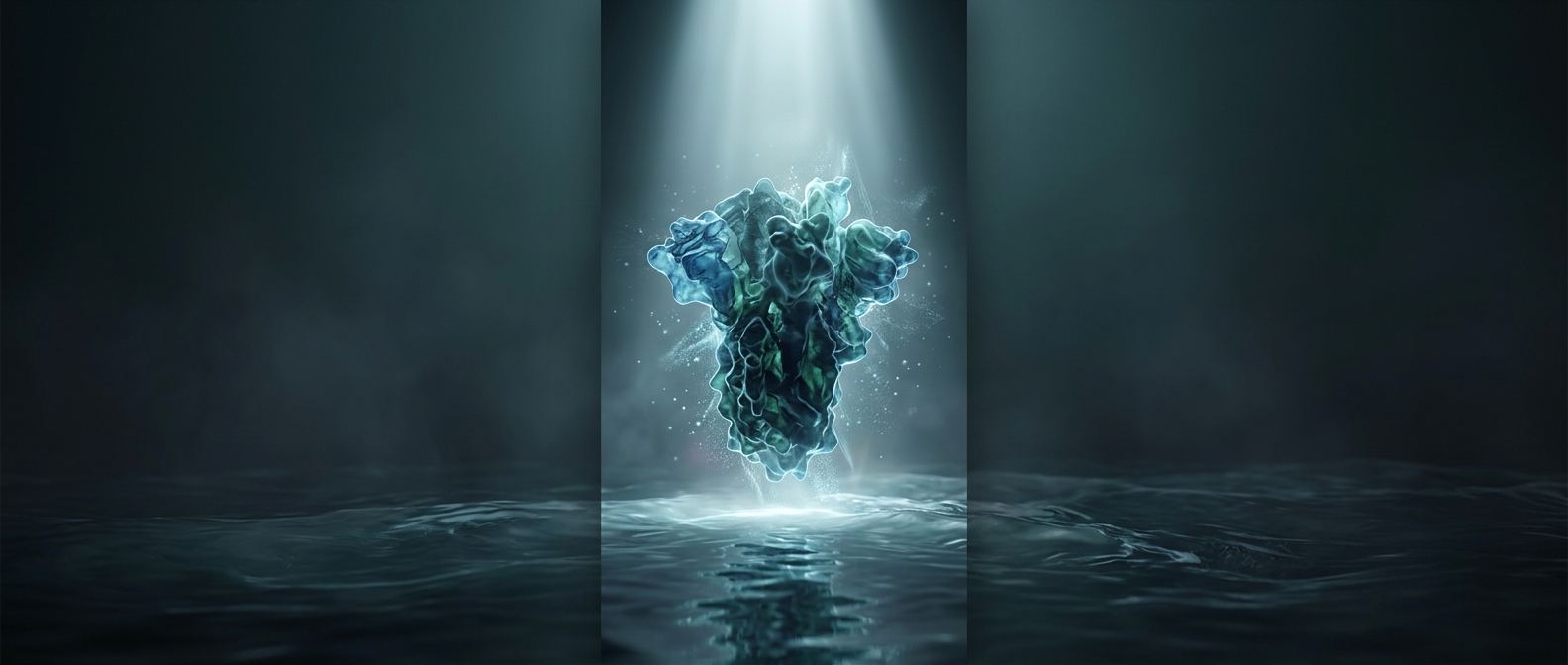
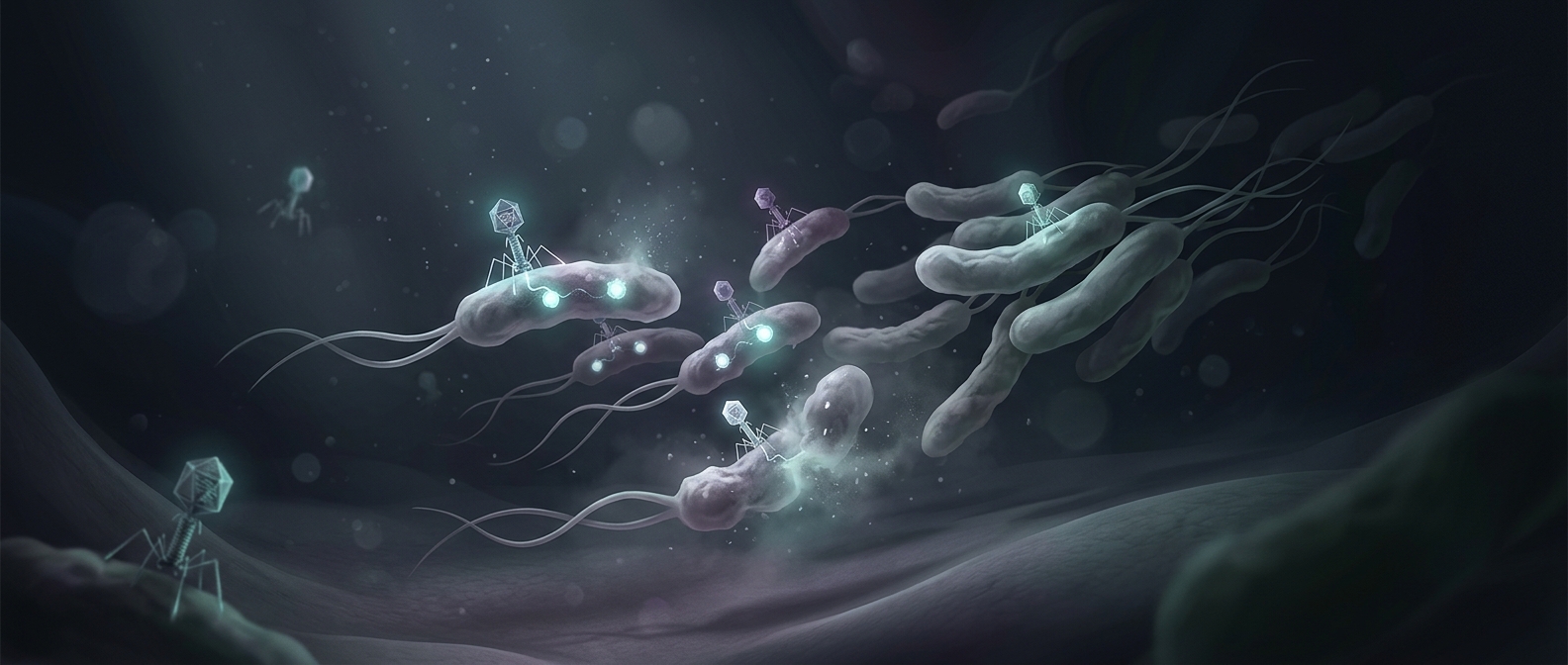
A vibriophage is a virus that infects Vibrio bacteria, including the species that causes cholera. To begin an infection, it must recognize and attach to a suitable bacterial surface. That match is highly specific: a phage able to infect one kind of bacterium may be unable to enter another.
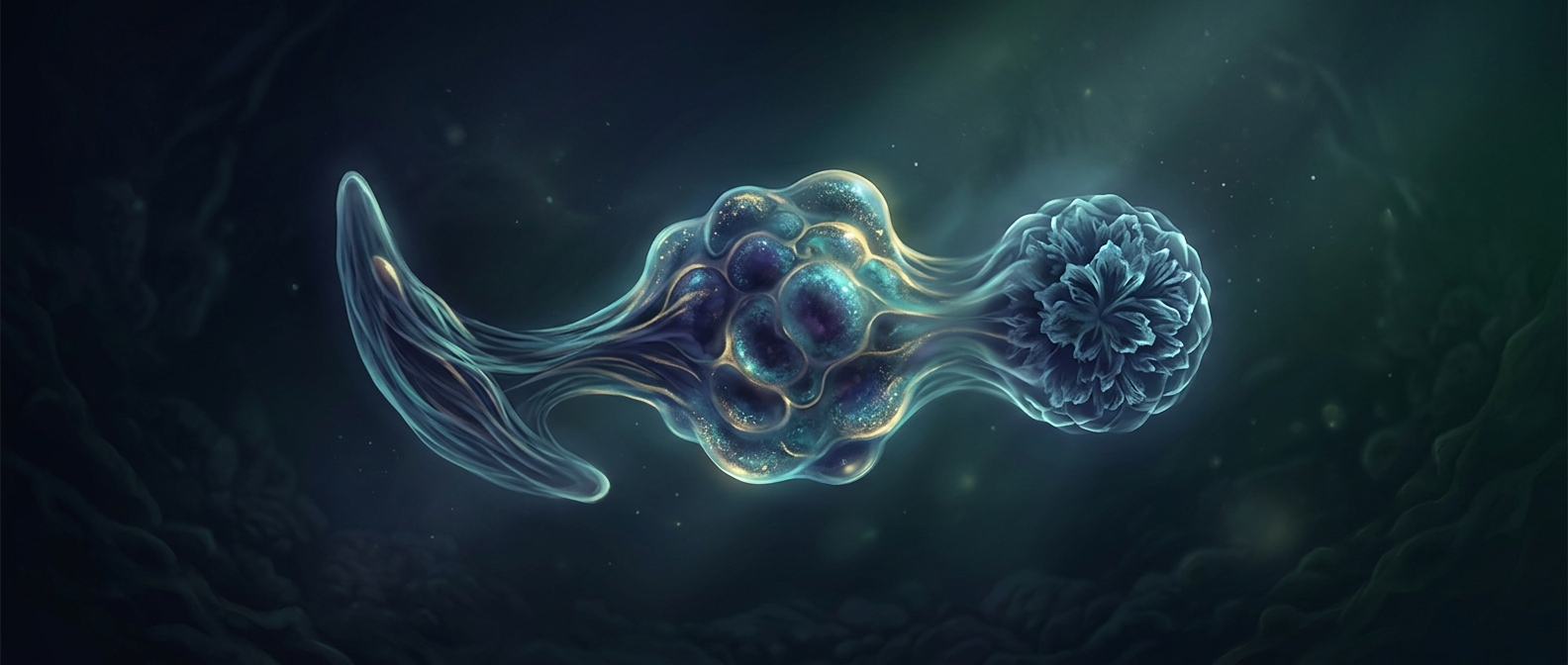
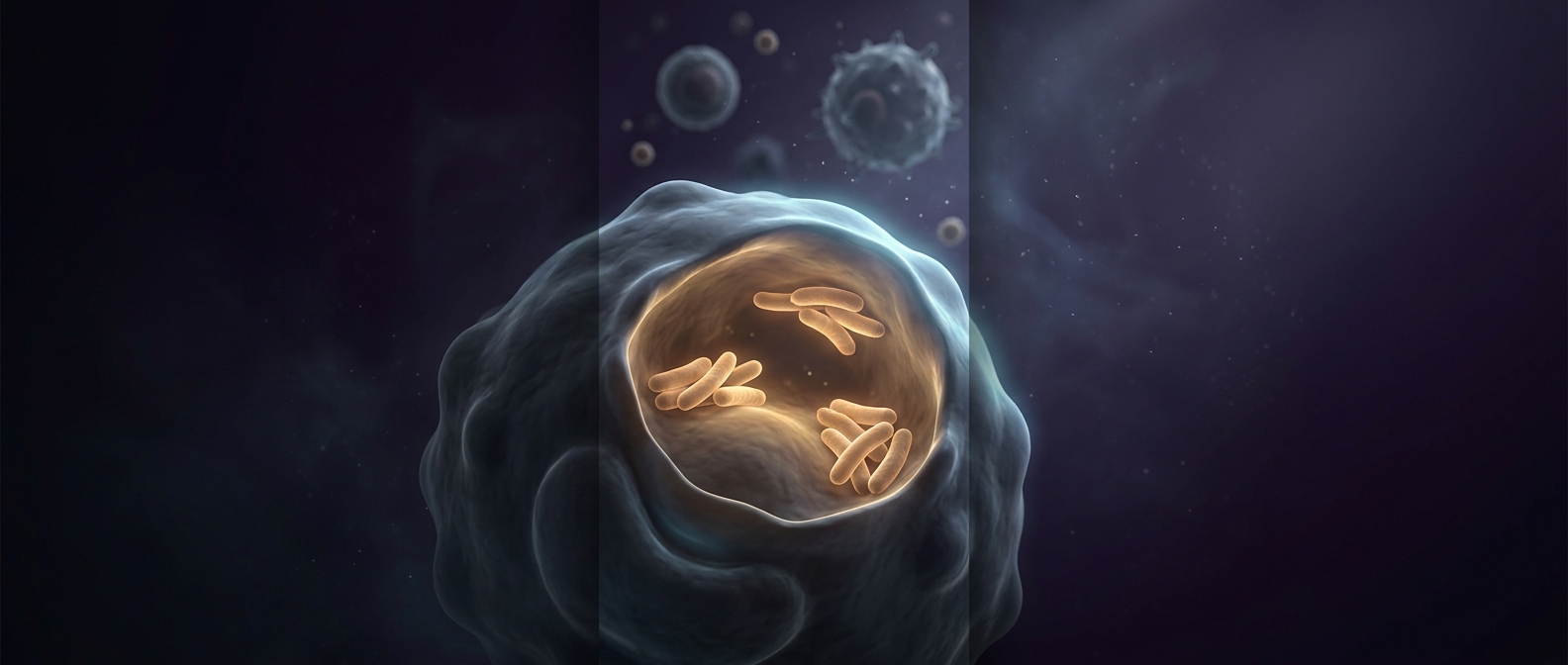
After attachment, the phage delivers genetic instructions into the cell. The bacterium’s own machinery—normally used to copy its genes and build its parts—now makes viral components instead. Those pieces are assembled into new phages. In the burst-producing cycle described here, the crowded cell eventually breaks open, releasing them to seek more bacterial hosts.
Why the burst matters
The infection can turn one susceptible bacterium into the source of many new phages, but it also destroys that bacterium. As phages spread through a bacterial population, they can reduce the number of cells that are vulnerable to them. Some bacteria may survive because their surface differs enough to prevent attachment, helping explain why phages do not automatically eliminate every bacterium they encounter.
That specificity is also why these viruses are not simply miniature versions of human viruses. Their infection depends on features of bacterial cells; they do not use human cells as factories. In cholera, the target is the bacterium, and the decisive event is a microscopic handoff: a cell’s machinery is redirected, then its contents emerge as the next wave of bacterial hunters.