Why a New Accent Changed More Than the Voice
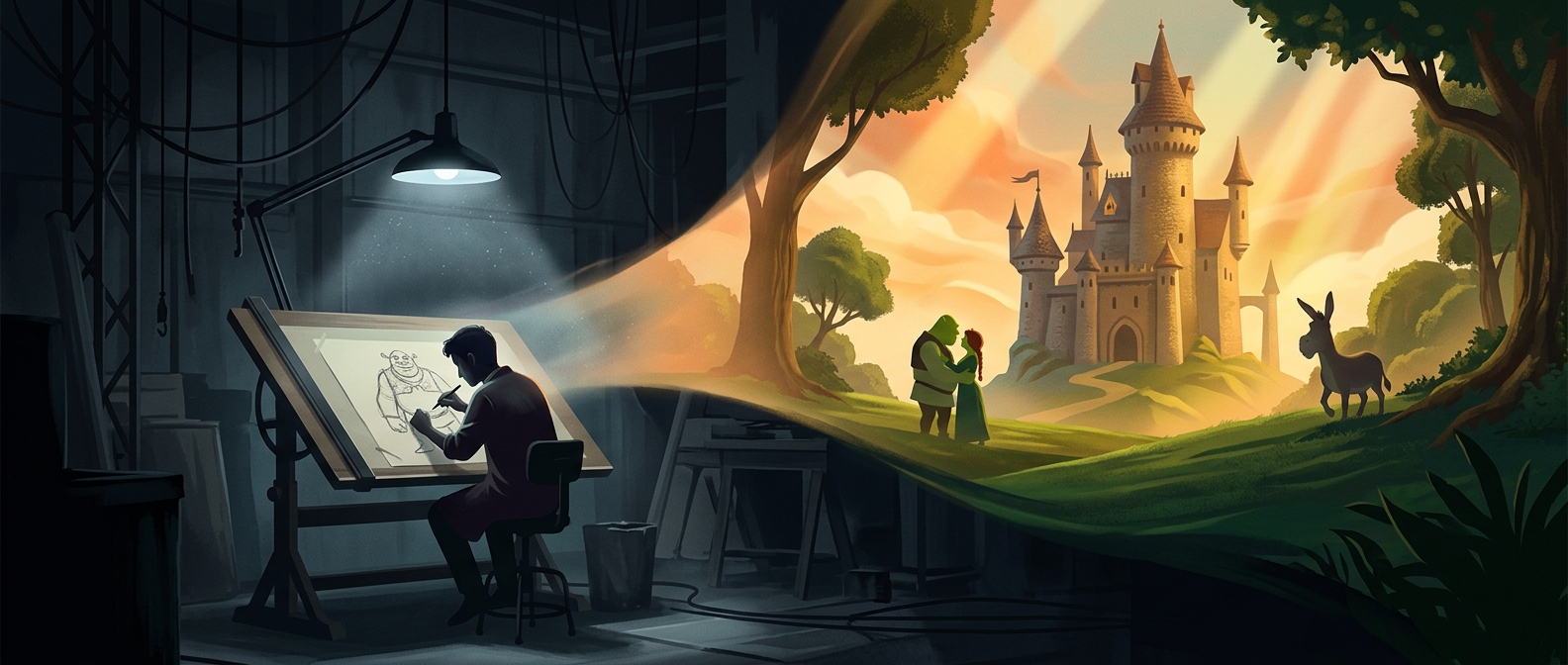
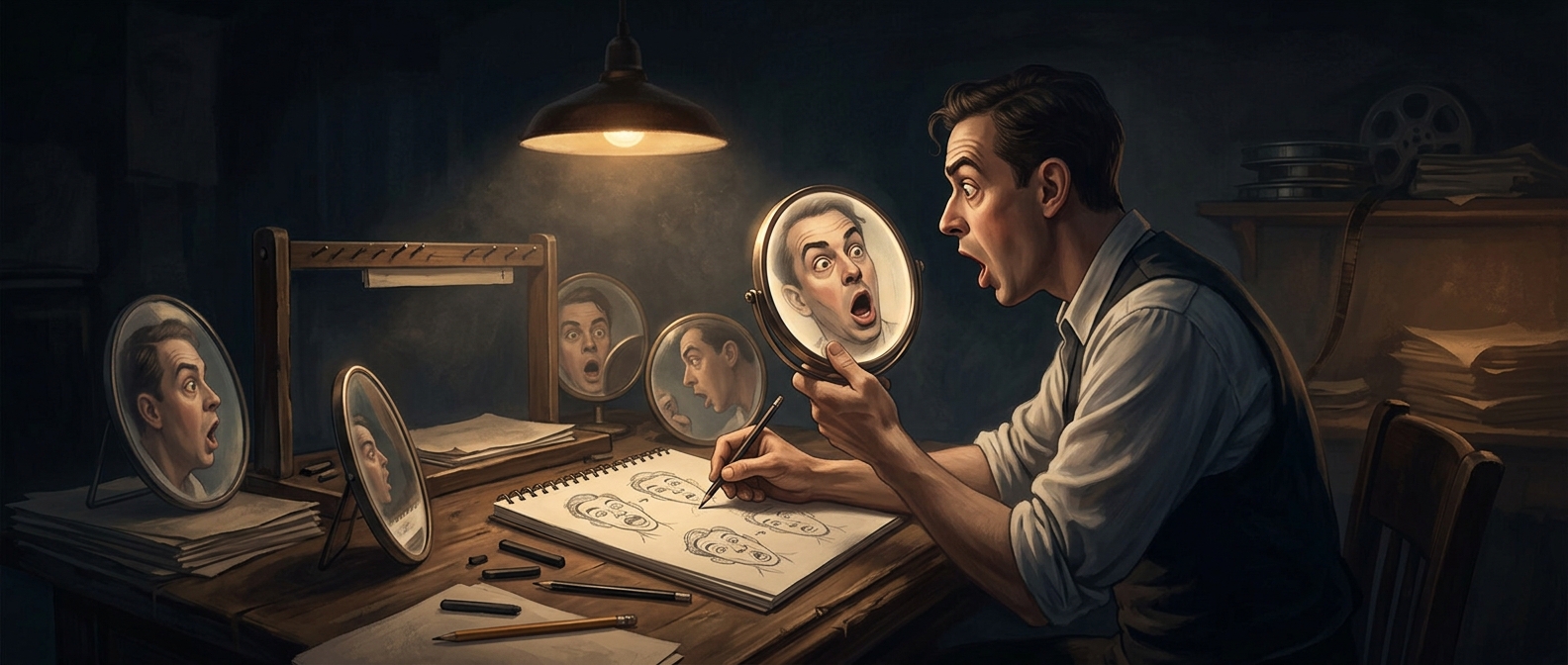
In an animated film, a recorded performance is not simply laid over finished pictures. Animators use the dialogue’s timing and sound to shape a character’s mouth movements, expressions, and gestures. A different accent can alter all three: vowels change the shapes a mouth needs to make, while shifts in emphasis and rhythm can move a line’s emotional beats.
That meant replacing Shrek’s dialogue was a production change, not just a fresh recording session. The new performance had to fit the character on screen, and the animation had to accommodate the revised delivery. The scale of that work helps explain why a creative decision made after the original recording could carry a multimillion-dollar cost.
A Voice Became Part of Shrek’s Character
An accent does more than identify where a speaker is from. It gives a voice a particular texture and cadence, shaping how audiences read a character before considering the words themselves. In a comedy, that can affect the timing of a joke; in a fairy-tale adventure, it can influence whether a character feels polished, strange, warm, or imposing.
Myers’s switch therefore changed a central ingredient of Shrek’s performance, not a decorative detail. It also illustrates a tradeoff in animated filmmaking: a voice actor’s interpretation can make a character feel more fully realized, but once animation has been built around one interpretation, changing course can ripple through the production. The accent’s price was not only the time spent saying the lines again; it was the cost of making the picture work with the new voice.