A predator triggers an emergency escape plan
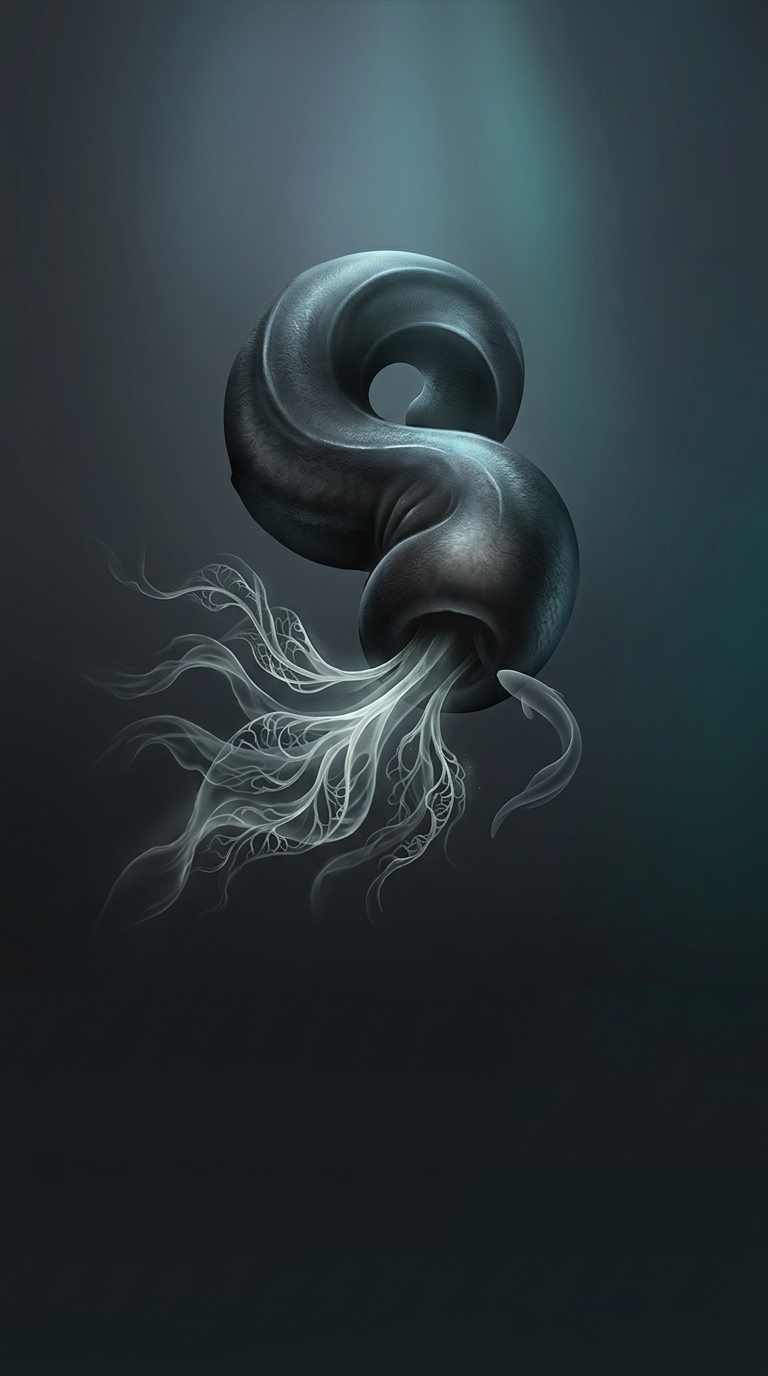
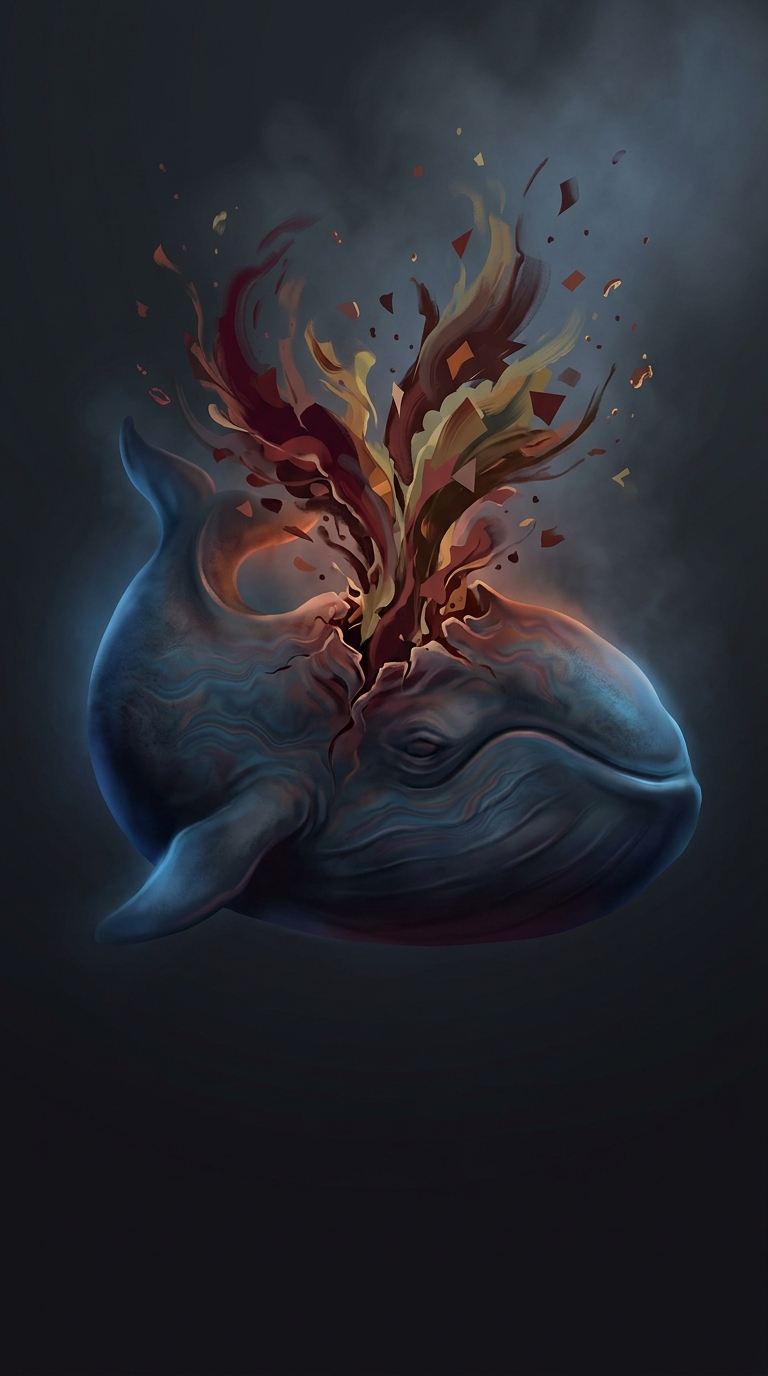
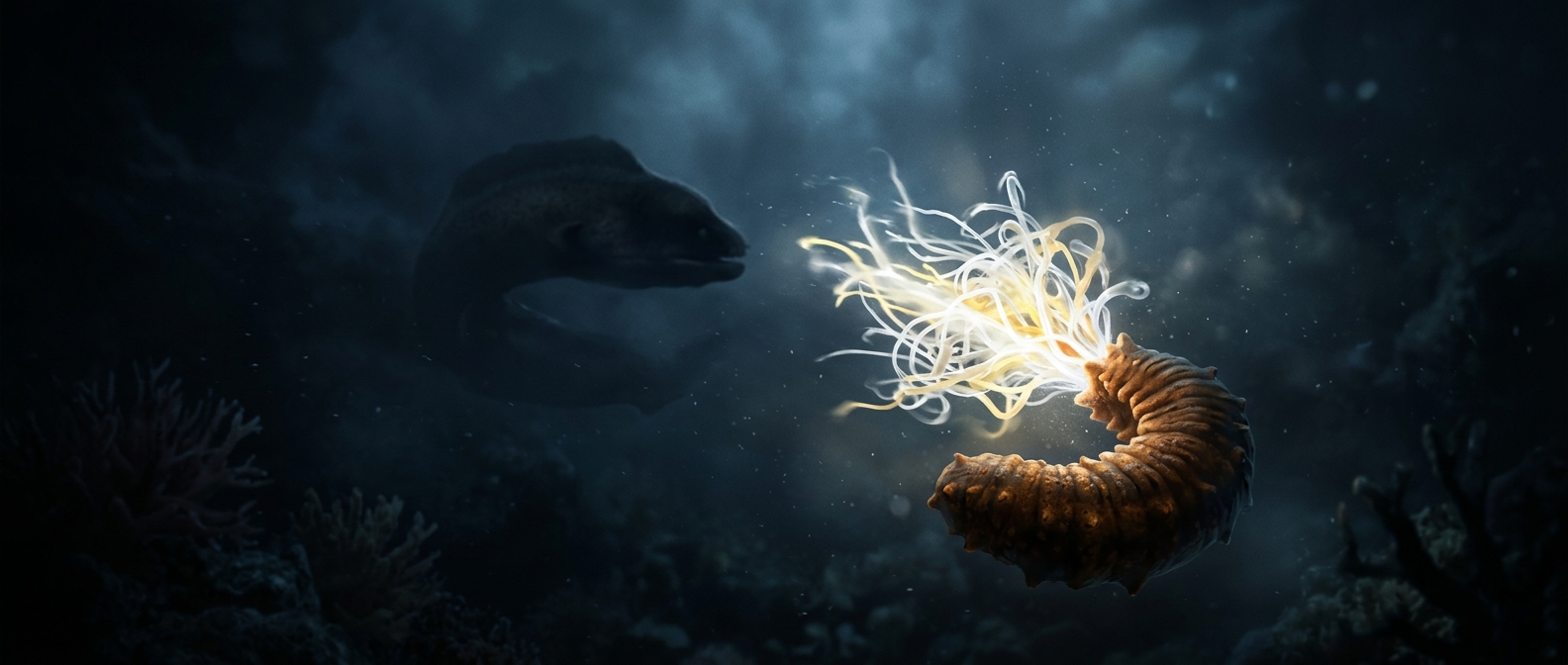
A sea cucumber’s body is soft, so it cannot rely on a shell to stop a bite. In some species, a close attack instead sets off evisceration: the animal expels internal organs through its anus. This is not ordinary digestion or a reflexive “vomit.” Muscular contractions force body contents out through the rear opening, leaving the predator with a mouthful of tissue while the sea cucumber slips away.
The exact response varies among species. Some also eject Cuvierian tubules—sticky threads connected to the respiratory system near the anus. These can tangle an attacker, and in certain species they contain chemicals that make them unpleasant or harmful to predators. They are a separate defensive weapon, not simply the organs themselves.
The escape has a steep repair cost
Losing organs is a drastic trade. The animal must survive with its internal systems disrupted, avoid being eaten while vulnerable, and rebuild what it discarded. Sea cucumbers can regenerate lost internal organs over the following weeks, although the process takes energy and is not an instant reset. The animal’s flexible body and capacity to replace tissue make this high-cost defense possible.
That cost helps explain why the response is reserved for danger rather than used casually: the decoy buys time, but only if the sea cucumber can reach safety and live long enough to repair itself. Its most memorable defense is therefore also a wager—trade essential tissue now for a chance to escape, then grow the missing parts back.