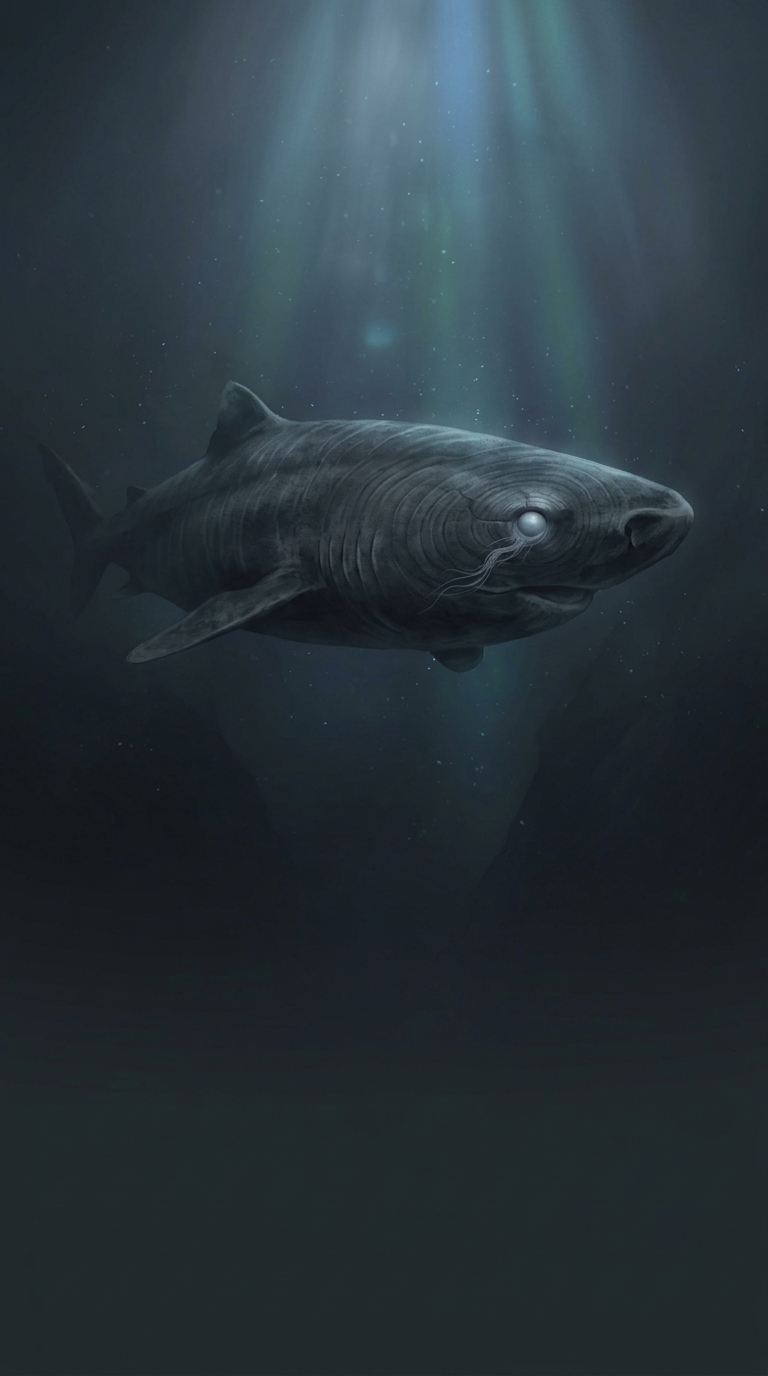
How a shark’s age can reach back centuries
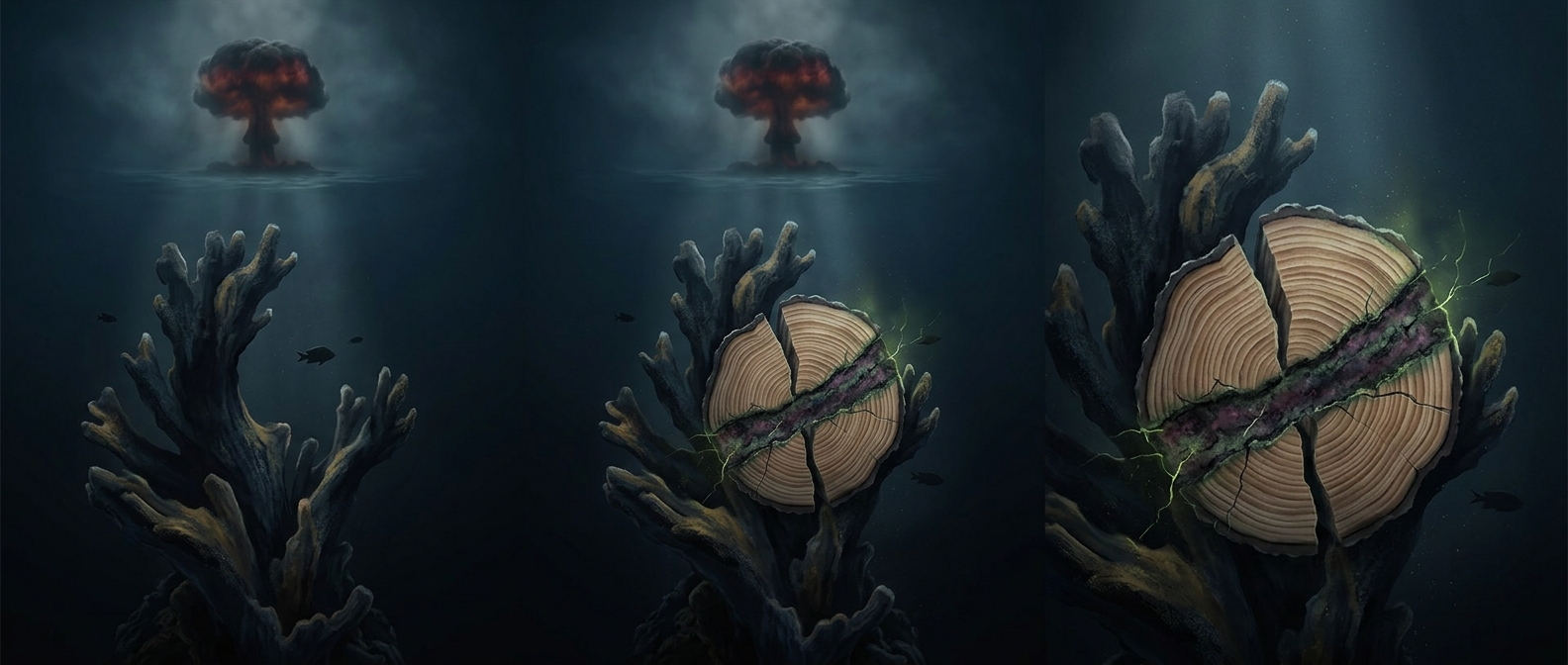
The Greenland shark’s age is not read from obvious growth rings. Researchers estimate it from the eye lens, whose central proteins form early in life and are then largely replaced very slowly, if at all. By measuring radiocarbon in that tissue, scientists can estimate when the shark was born. The method gives a range rather than a birthday, especially for the oldest animals.
That uncertainty is what makes the printing-press comparison possible: at the far end of the estimates, a shark alive today could date to before the press transformed bookmaking in Europe. It is a possibility, not a claim that any particular shark has a known birth year.
Why the clock runs so slowly
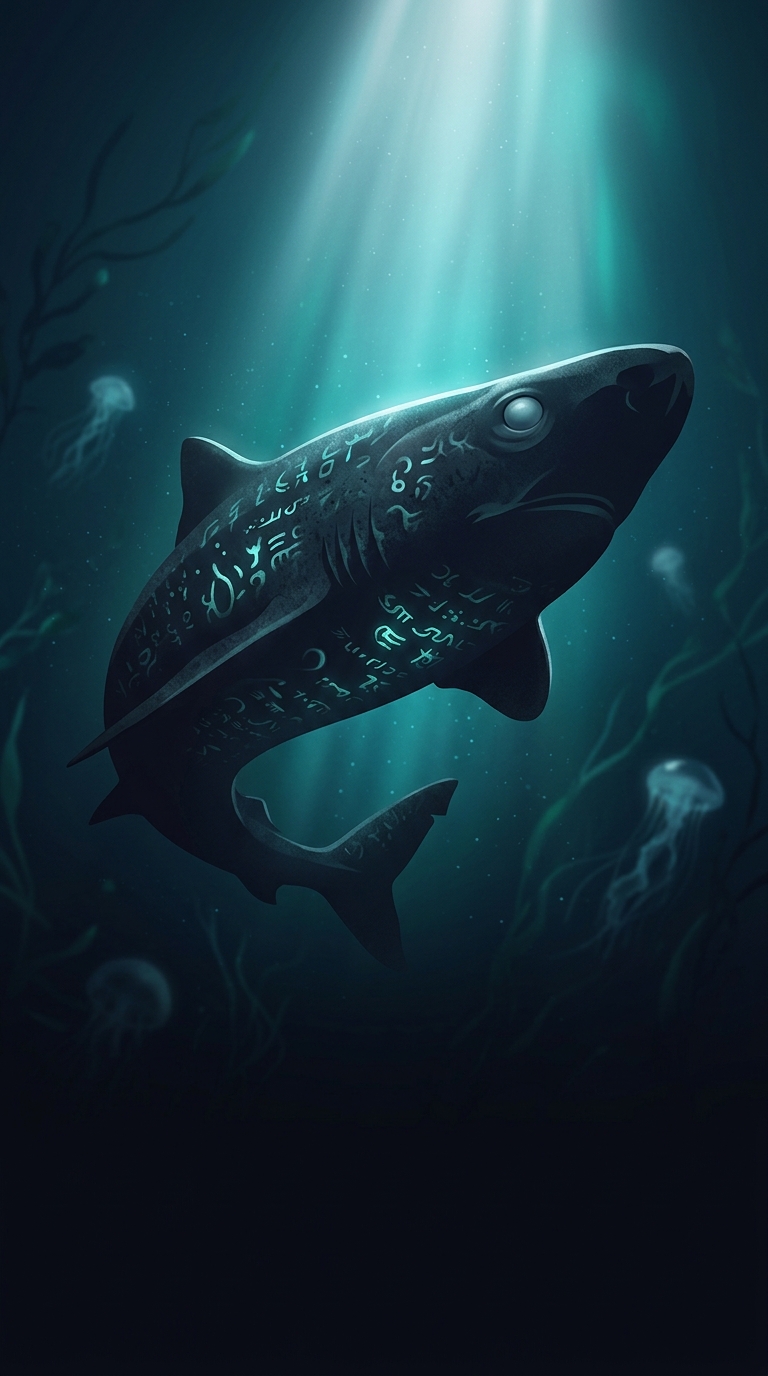
Greenland sharks live in the frigid North Atlantic and Arctic, where cold water and a slow way of life go with exceptionally slow growth. They may add only a small amount to their length in a year. They also take a very long time to mature, so an individual can spend centuries growing before it is ready to reproduce.
That long life changes the timescale of the ocean’s top predators. A shark that seems to belong to the present may have been swimming through a world shaped by entirely different human technologies—and its slow reproduction means the population cannot quickly replace animals lost to fishing or other pressures.