Blake’s visions became a way of seeing
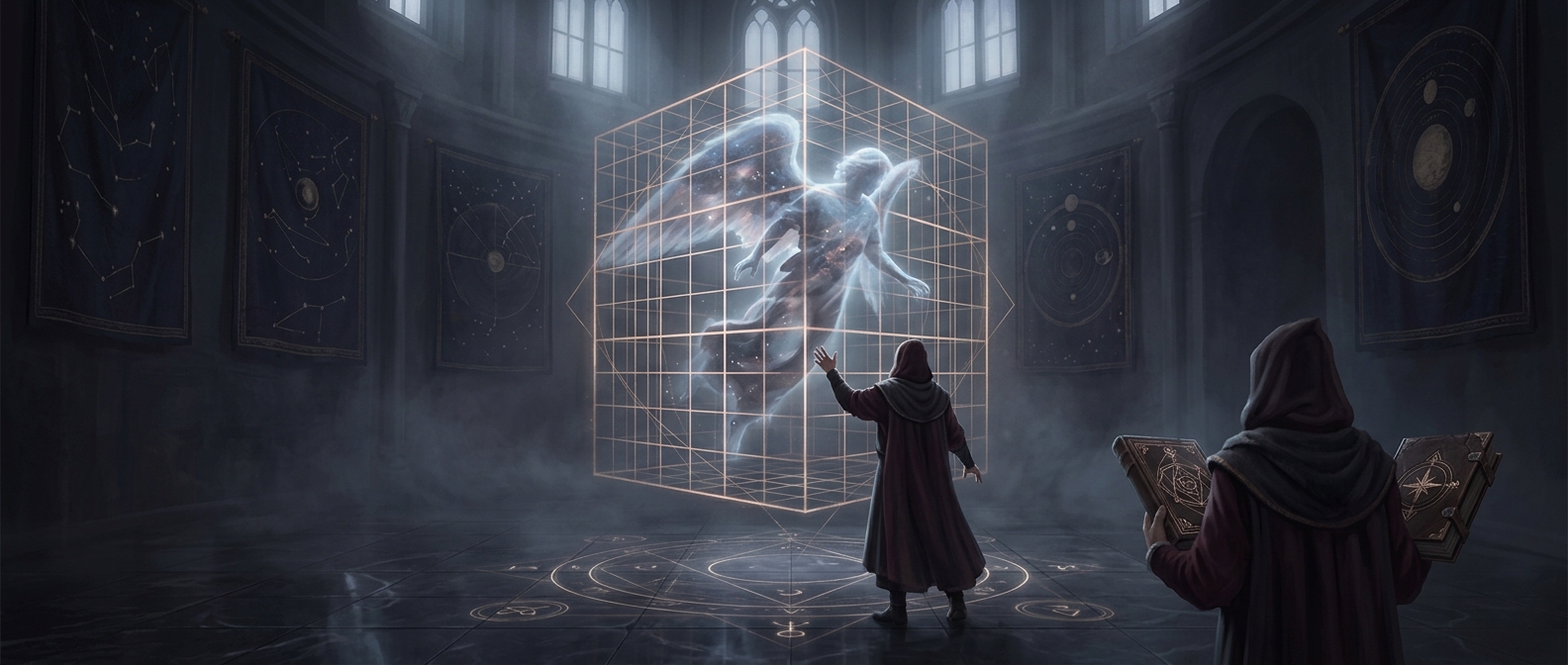
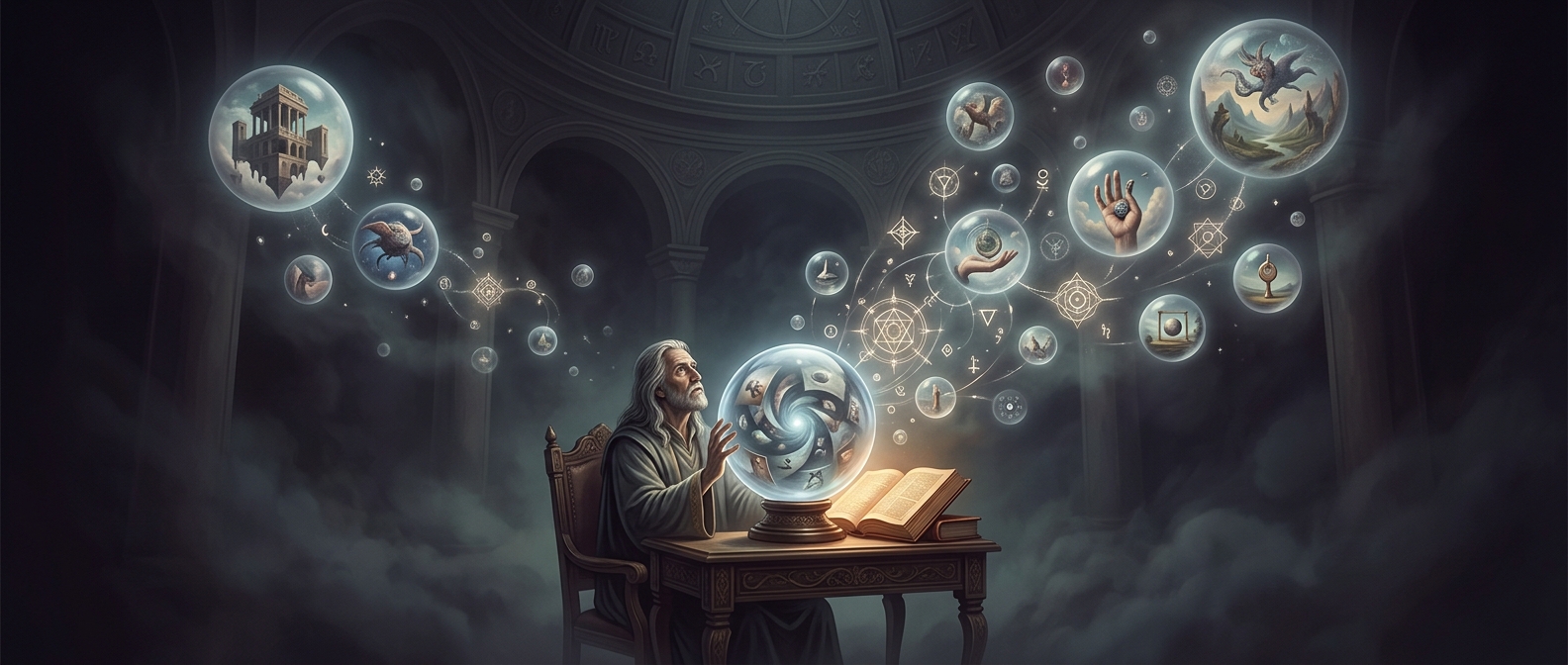
William Blake’s reported angelic visions were not a decorative theme he added to his work; they shaped how he understood imagination. He treated visionary experience as a source of knowledge about spiritual reality, and he made no sharp boundary between the world people see around them and the world he believed could be perceived through imagination.
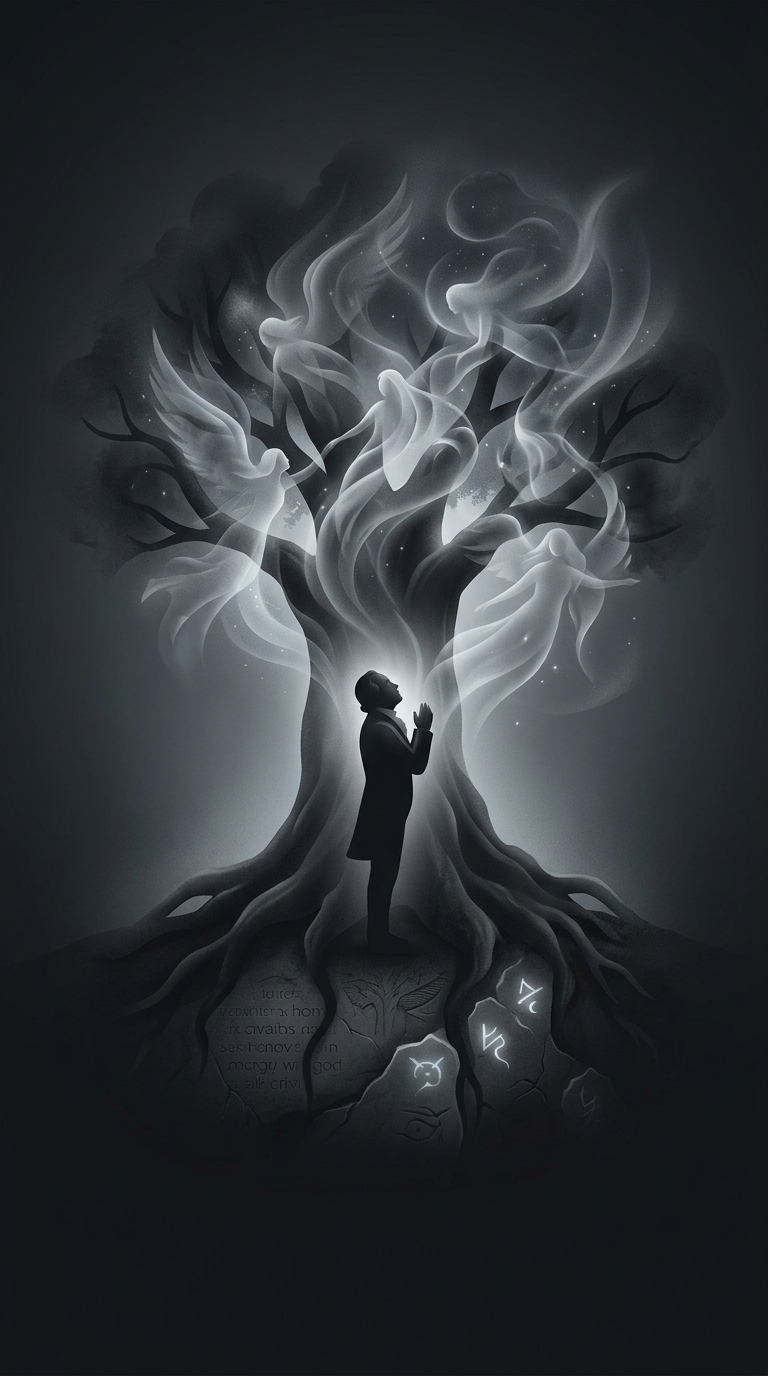
One oft-recounted childhood vision took place in a tree: Blake later described seeing it filled with angels. The episode helps explain why ordinary sights in his poetry and pictures could open onto something otherworldly. A tree was not merely scenery; it could become a meeting place between the visible and invisible.
One artist, words and images together
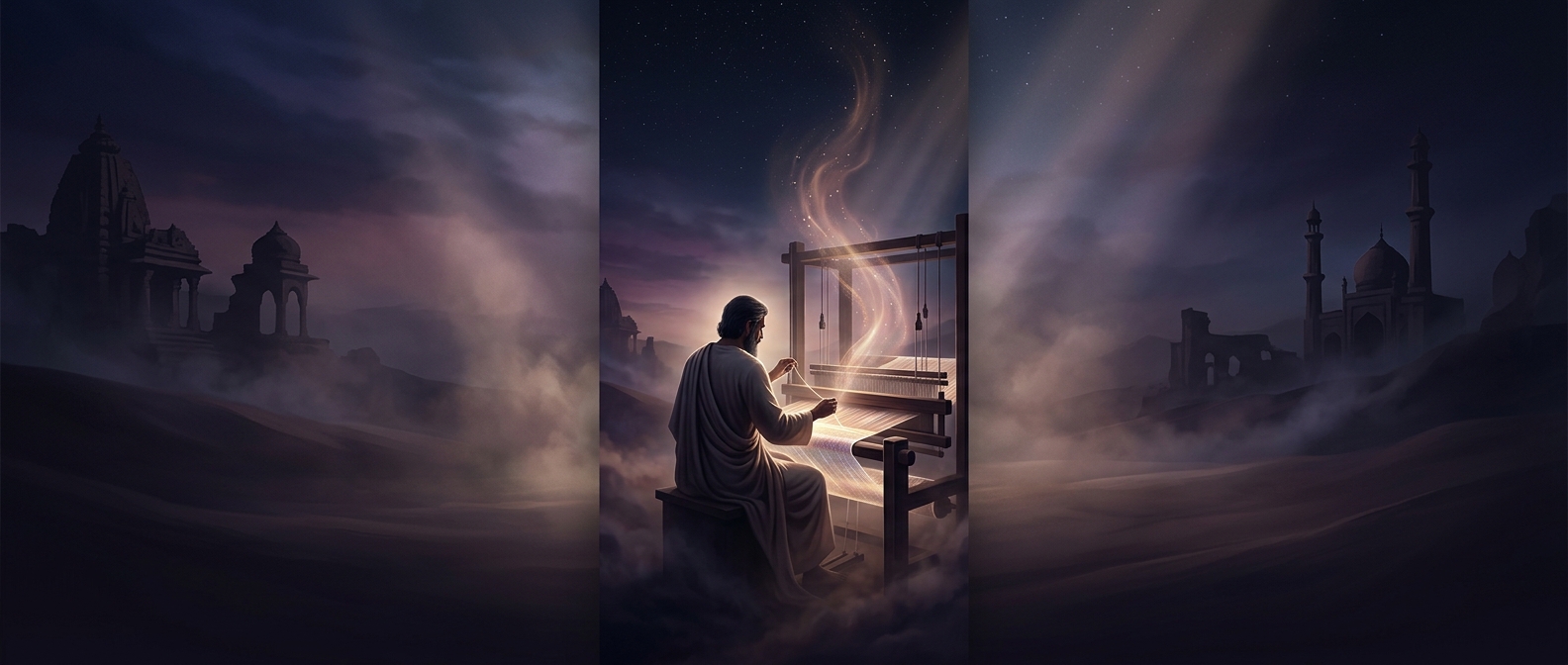
Blake also resisted the separation of poetry from visual art. He developed a method often called illuminated printing, in which he etched words and images onto copper plates so they could be printed together, then colored by hand. The result made each page feel like a unified vision rather than a poem accompanied by an illustration.
That approach suited his beliefs: the reader encountered the spiritual world through both language and image. It also meant that making a book demanded the work of poet, engraver, printer, and colorist—roles Blake often took on himself.
“Always in Paradise”
Blake’s wife, Catherine, is remembered as saying she had little of his company because he was “always in Paradise.” The remark captures the strain, as well as the intimacy, of living alongside someone absorbed in an inner world. For Blake, that inward attention was not an escape from making art. It was part of the work: the visions had to be given form, line by line and image by image.