Why Victorian speed seemed dangerous to the body
For most people before railways, travel meant moving at the pace of a horse, a carriage, or their own feet. A locomotive changed that experience abruptly: passengers sat inside a vibrating vehicle while fields, buildings, and familiar landmarks blurred past. The machine’s speed was visible, but its effects on the body were harder to judge.
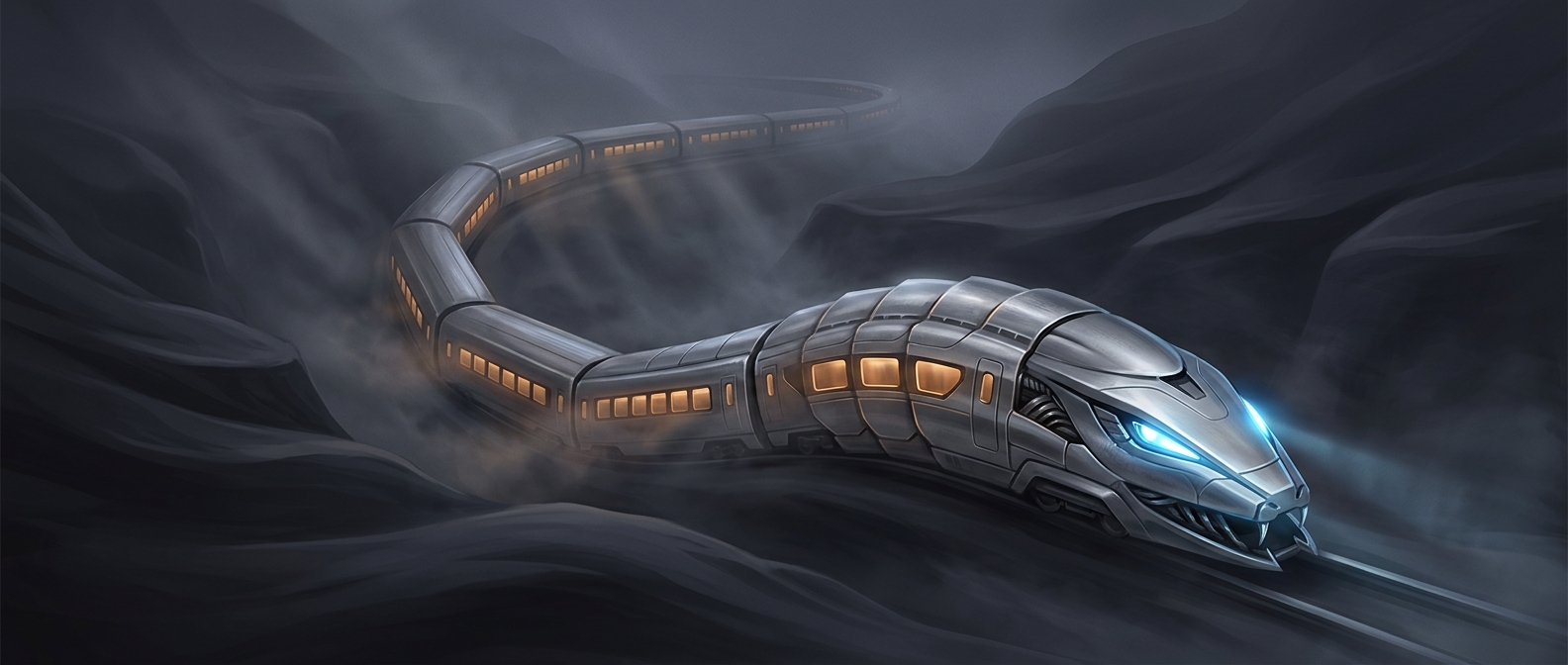
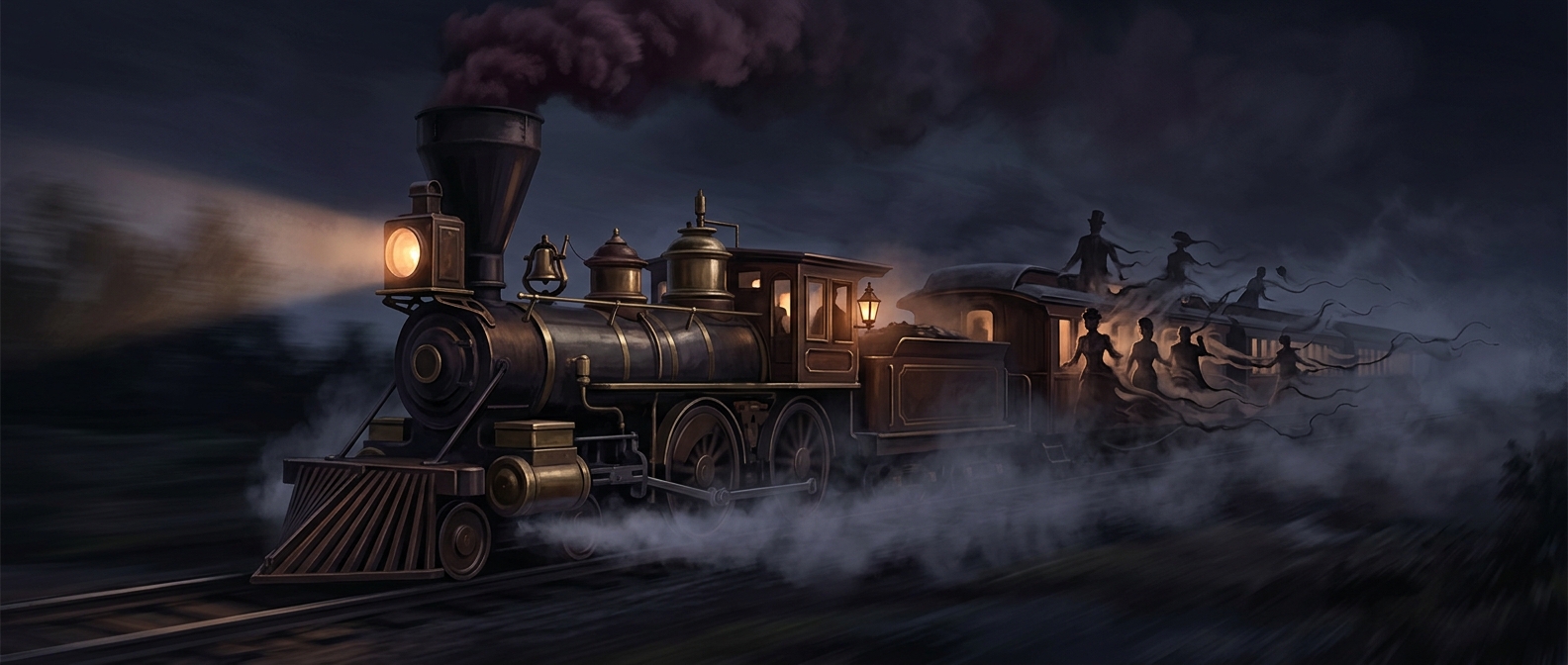
Some Victorian commentators worried that rapid motion and rushing air might strain or overwhelm human beings. The fear reflected a basic uncertainty: if the body had never experienced travel at this pace, how could anyone know what it could safely endure? The image of passengers being “melted” by a train captures that unease, rather than a literal medical process.
The train made invisible forces feel personal
A railway carriage carried passengers along a track, but it also exposed them to jolts, vibration, noise, and changes in air pressure around the moving train. These sensations made speed more than a number. They were physical evidence of forces passengers could feel but could not easily explain.
The worry belonged to a larger adjustment to industrial technology: machines were beginning to move people faster than ordinary experience could prepare them for. As railway travel became familiar, the body’s ability to tolerate it no longer seemed so mysterious. What made the train unsettling was not simply that it went fast; it was that it made speed something passengers felt in their bones.