How the stomach makes room
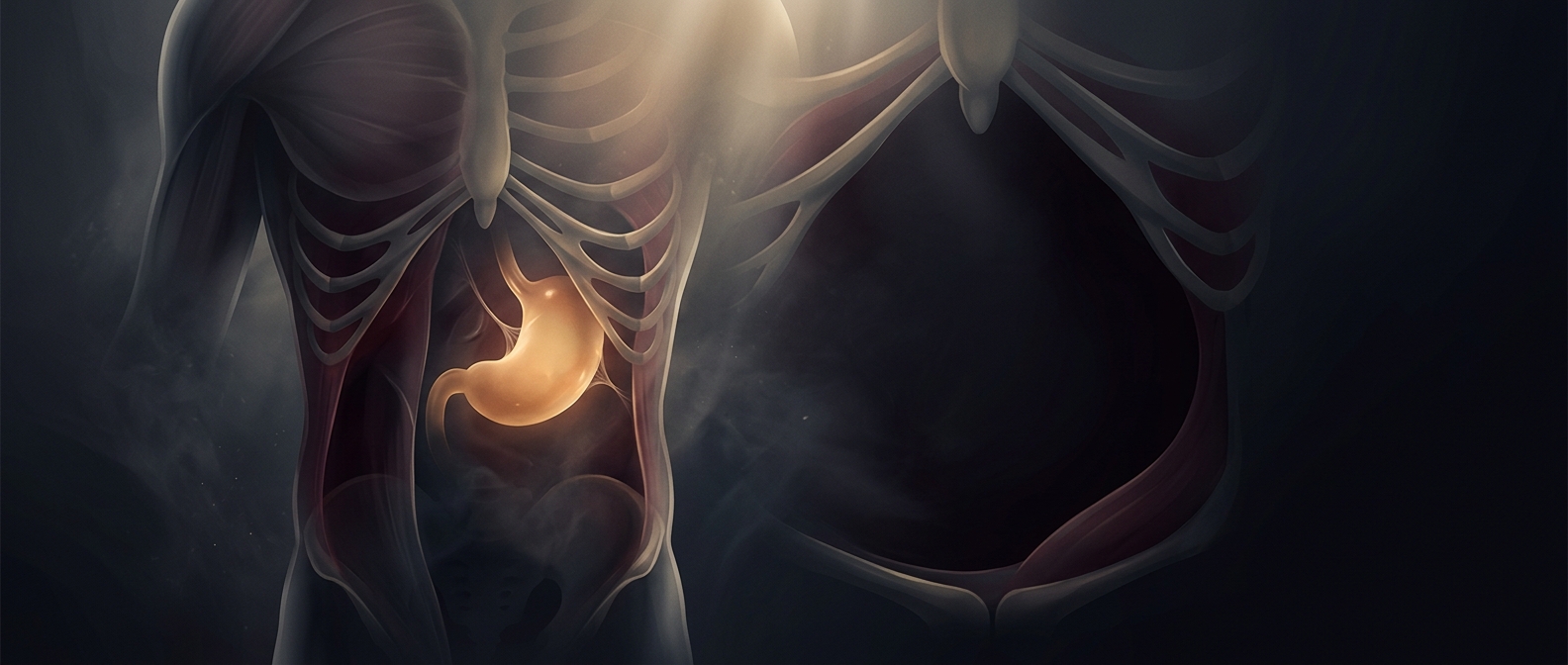
A meal does not have to push against a rigid, fixed-size pouch. As food reaches the stomach, nerves help coordinate a response called accommodation: the upper part of the stomach relaxes, allowing it to hold more while pressure rises only gradually. The wall is muscular, but its muscle can change its tension rather than staying clenched around the contents.
This response begins as swallowing and food entering the stomach activate nerve signals between the gut and brain. The stomach’s upper region loosens its grip; meanwhile, other muscle contractions mix food with digestive juices and move it toward the lower outlet.
Why a meal can feel different from one day to the next
The stomach’s ability to make room helps explain why its resting size is a poor guide to how much someone can eat. How quickly food arrives, what it contains, and how quickly the stomach empties all affect how full a person feels. Stretching contributes to fullness, but it is only part of the body’s signaling; chemical and nerve signals also help regulate appetite and digestion.
After the meal moves onward, the stomach gradually returns toward its resting state. Its flexibility is what lets a compact organ handle very different amounts of food without functioning like a rigid container.