Why drinking speed matters
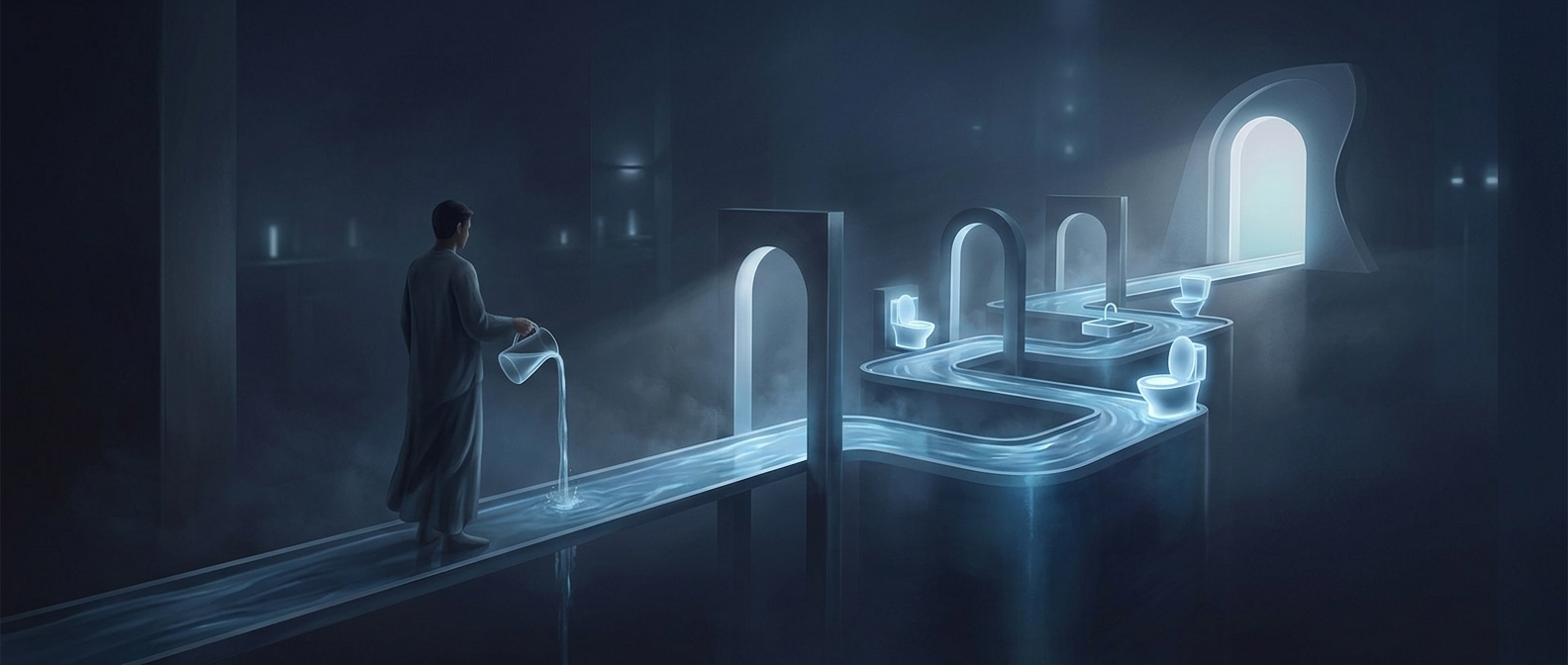
After you drink, water enters the bloodstream and gradually shifts into body tissues. The kidneys remove excess water by making urine, but they need time to do that. If someone takes in a large amount faster than the kidneys can clear it, the extra water can dilute sodium in the blood. Sodium helps keep the right balance of water inside and outside cells; when that balance shifts too far, cells can swell.
A severe drop in blood sodium is called hyponatremia. It can cause headache, nausea, confusion, and, in extreme cases, seizures or loss of consciousness. The danger is not ordinary drinking in response to thirst, but taking in far more fluid than the body can process—sometimes during long events when people keep drinking even without feeling thirsty.
Match fluids to what you’re losing
For everyday activity, thirst and regular meals usually help keep fluid intake in line with need. Heat, prolonged exercise, fever, vomiting, and diarrhea can change that balance. Sweat carries water and sodium out of the body, while vomiting and diarrhea can remove both fluids and salts. In those situations, replacing fluid may matter, but the right approach depends on how much is being lost and why; drinking plain water rapidly is not always the best match.
A practical guide is to drink when thirsty and pay attention to how you feel, rather than treating a fixed amount as a target everyone must reach. People with conditions affecting the heart or kidneys, or who take medicines that alter fluid balance, may need individualized advice. The useful goal is steady replacement—not forcing water until it becomes a burden.