The banquet story—and what it can explain
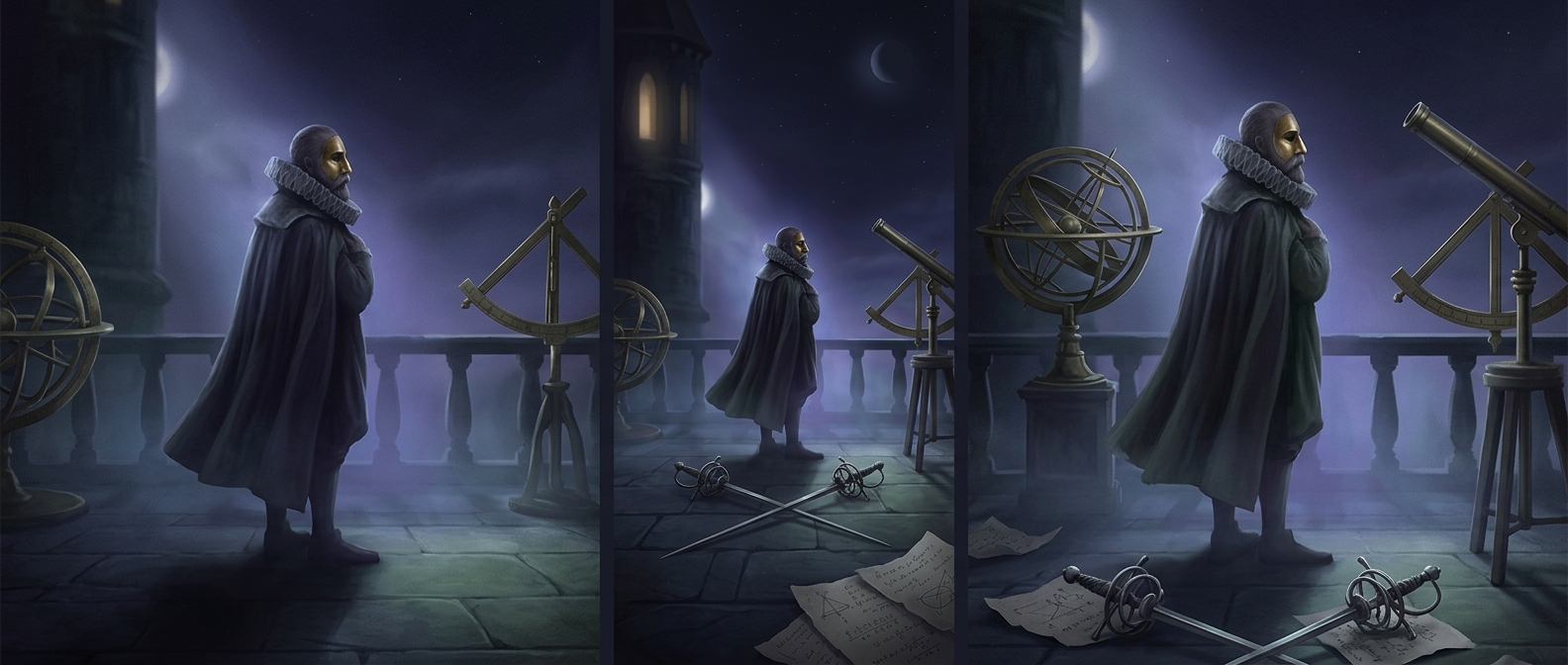
Tycho Brahe, the Danish astronomer serving at the imperial court in Prague, died in 1601 after a sudden illness. A widely repeated account links his decline to a banquet: he reportedly felt he needed to urinate but stayed at the table rather than interrupt the occasion. In the days that followed, he became seriously ill and could not urinate normally.
The story is often compressed into a simple chain—he held it, his bladder became infected, and he died eleven days later. The sequence is plausible as an explanation of how a urinary crisis could become dangerous, but the precise medical cause of Brahe’s death is not certain. Accounts from the time describe his illness; they do not establish a modern diagnosis with the clarity that the familiar version implies.
How a urinary crisis can become life-threatening
Urine needs to leave the body regularly. If it cannot, the bladder can become painfully overfull, and urine may back up toward the kidneys. A blockage or prolonged retention can damage the urinary tract and make infection more likely. If bacteria reach the bloodstream, the resulting infection can become fatal.
That mechanism helps explain why the banquet tale endured: a seemingly minor act of restraint appears to have set off a grave bodily problem. But holding urine for one evening does not ordinarily cause a fatal infection by itself. The story’s memorable etiquette lesson is clearer than its medical evidence.
A courtly choice with an uncertain ending
At a formal court gathering, leaving the table could be seen as a breach of manners, and Brahe’s refusal is usually presented as a choice to preserve decorum. What followed made that decision look consequential. Still, the strongest historical conclusion is not that one evening’s politeness has been proved to kill him; it is that Brahe suffered a severe urinary illness and died soon afterward. The banquet remains a vivid possible beginning, not a settled diagnosis.