A defensive wall on Paris’s western edge
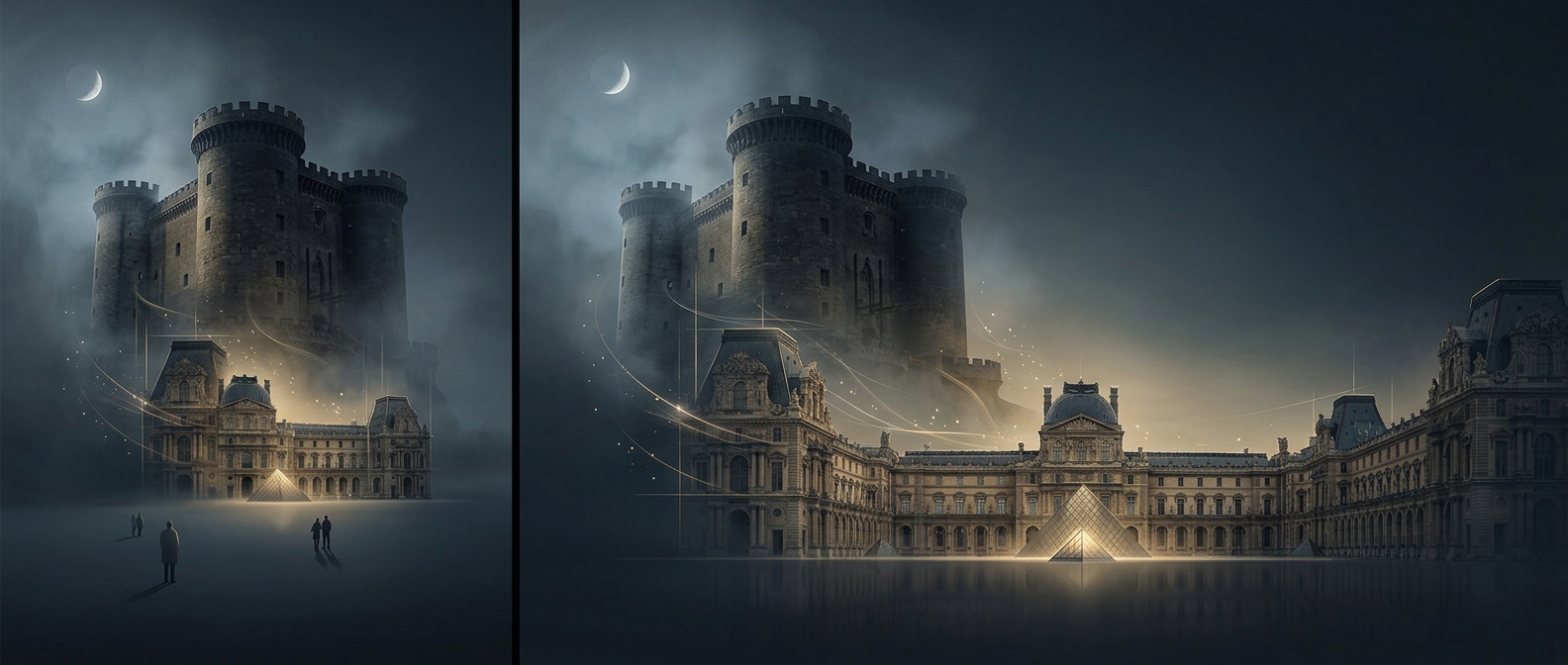
Around 1190, King Philip II ordered a fortified castle built beside the Seine, near the western edge of medieval Paris. The city was much smaller than it is today, and a stronghold there could guard an important approach to the capital. Its thick walls, moat, and central tower—a fortified keep—were designed for defense, not royal display.
The city changed the building’s purpose
As Paris grew beyond its old defenses, the castle became less useful as a frontier fortress. French kings reshaped it into a residence, adding rooms and courtyards suited to court life. Later rebuilding altered much of the original structure, but the site’s successive roles left layers beneath the palace above.
Reading the fortress underground
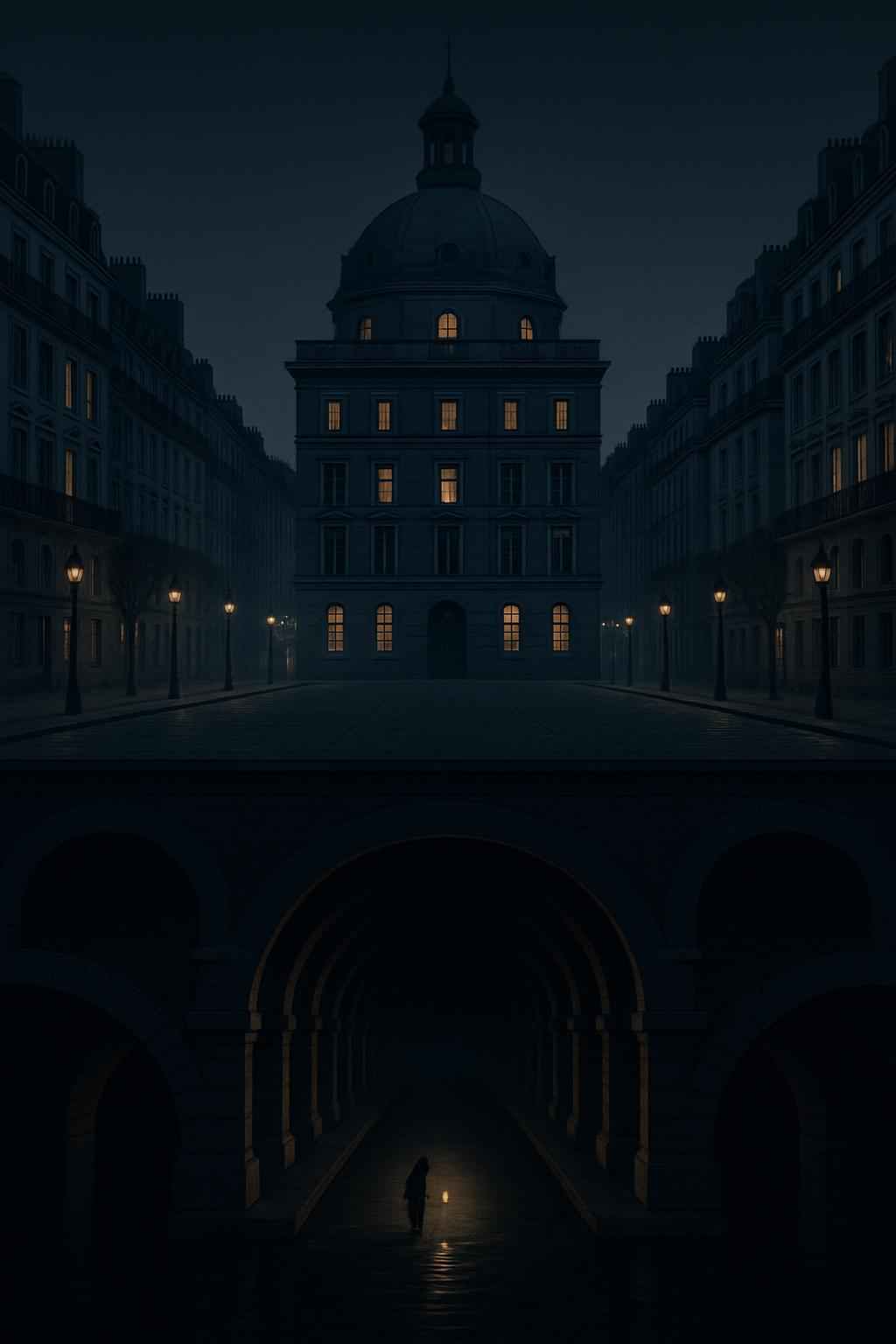
Archaeological work uncovered parts of the medieval castle, including sections of its foundations and moat. In the Louvre’s basement, these remains let visitors trace the outline of a defensive structure that is otherwise easy to miss amid the grander palace architecture. The museum’s present-day footprint still contains the plan of a fortress built to protect a far smaller Paris.