Color without a clean break
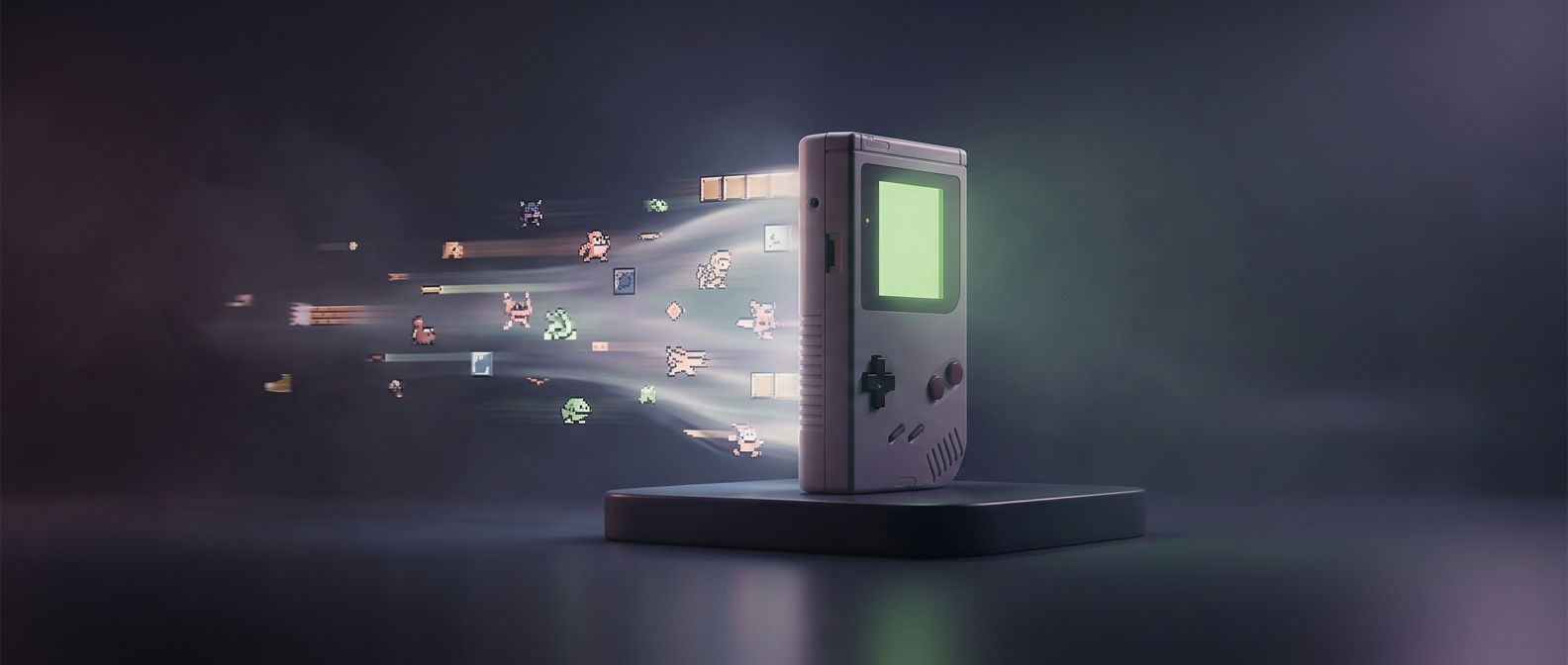
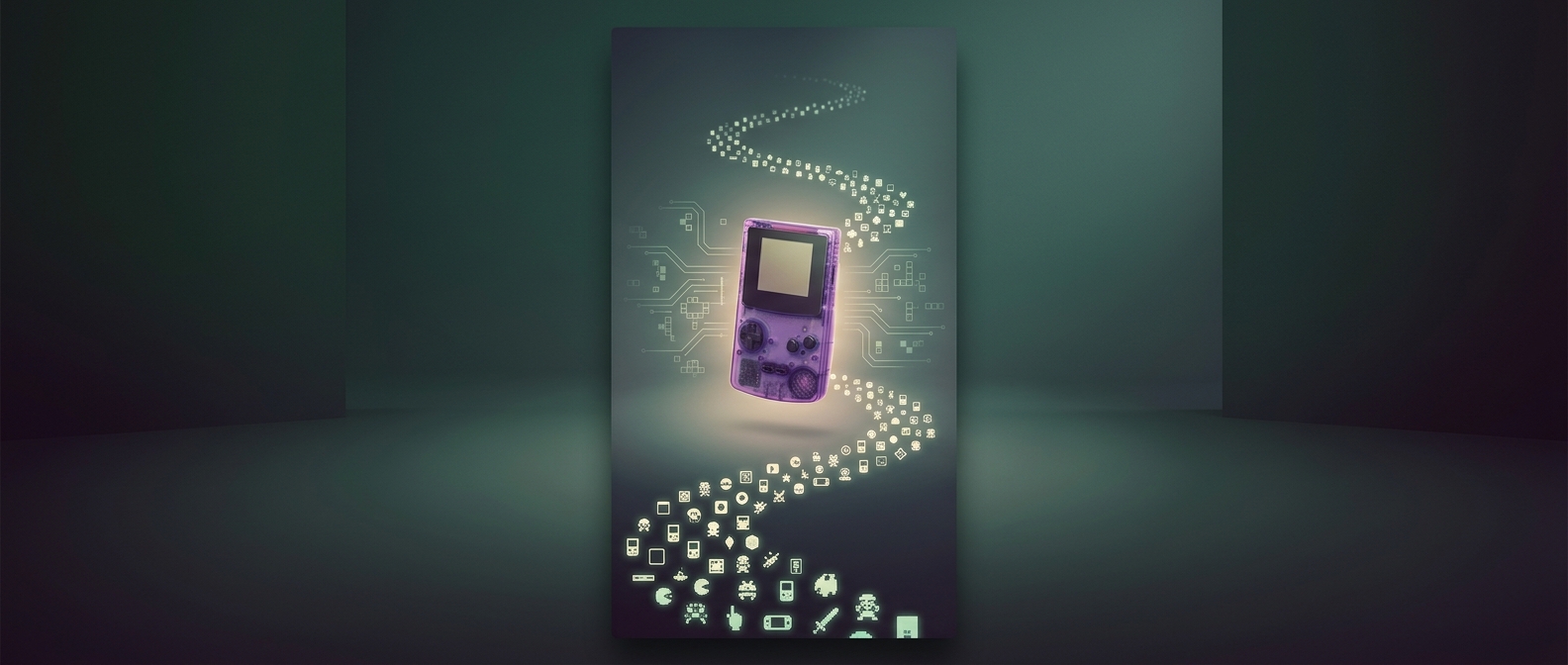
“8-bit” describes the Game Boy Color’s processor architecture, not the number of colors it could show. Nintendo’s design added color to a familiar handheld platform while keeping its core hardware modest. That choice let the system run games made for the original Game Boy, so owners could carry an existing library forward rather than start from nothing.
The tradeoff was visible in play: the screen could assign color to parts of a game, but the machine did not become a miniature version of a powerful home console. Developers still worked within tight limits on processing, memory, and display. Those constraints helped keep games suited to short sessions and simple controls—and avoided the greater demands a more powerful system could have placed on portable hardware.
Why the old architecture still mattered
A handheld has to balance performance against the cost and inconvenience of keeping it powered. By building on a low-power design instead of making a dramatic leap in capability, Nintendo preserved the practical appeal of the Game Boy: it could be taken along and played without constantly searching for an outlet. Color made familiar games feel fresher, while compatibility made the upgrade useful even before a player bought a new title.
Pokémon also made the platform more than a place to play alone. Players could connect systems to trade creatures, turning a small cable and a shared game into a reason to meet and keep playing. The Game Boy Color’s success therefore came from extending an established ecosystem—not from having the most advanced hardware. It was Nintendo’s final handheld built around an 8-bit processor; the next major portable, the Game Boy Advance, moved to a 32-bit design.