WonderSwan’s screen could turn with the game
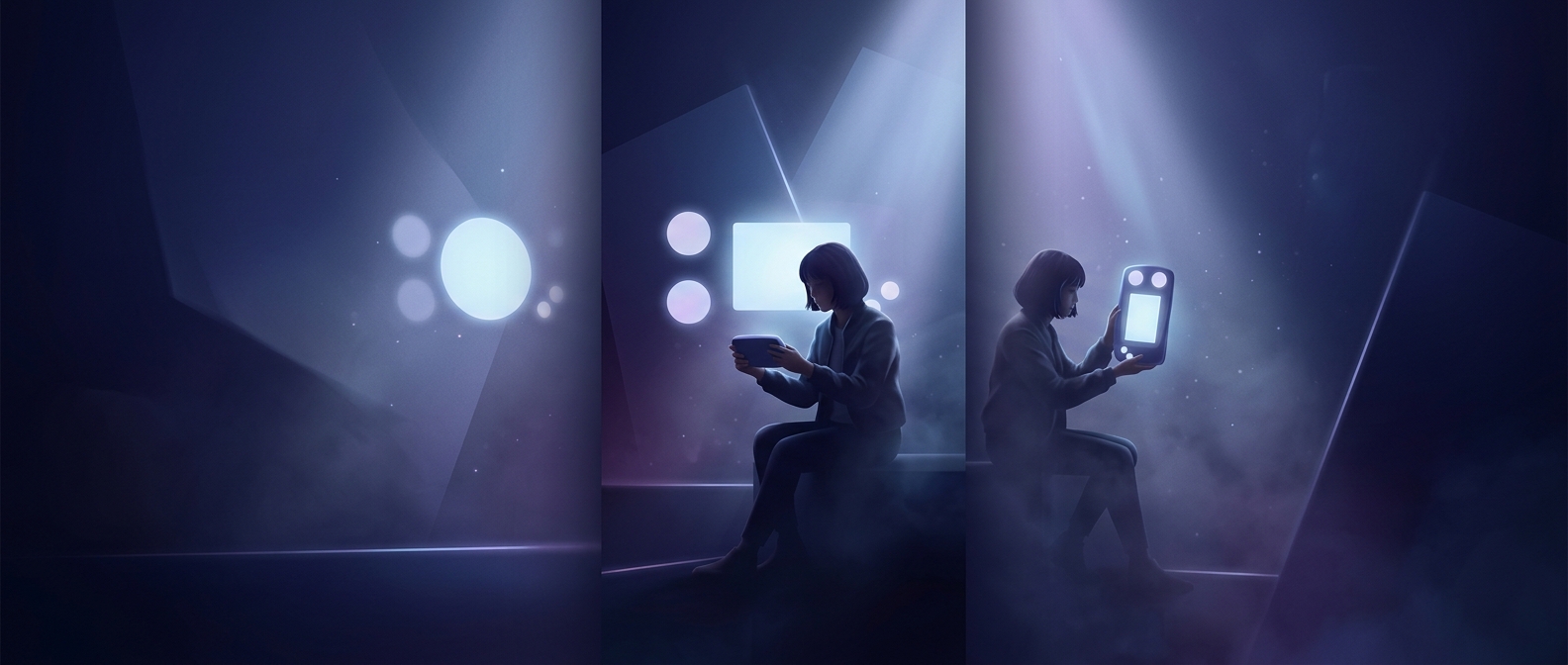
Bandai’s WonderSwan was built to be played in either a wide, landscape position or a tall, portrait one. The trick was not a swiveling screen: players turned the whole handheld, and the controls were arranged so they could still steer and press buttons in the new orientation.
That layout gave developers another way to fit a game onto a small display. A vertically oriented screen could make a tall playfield—such as a scrolling shooter or a puzzle—feel less cramped than squeezing it into the usual horizontal frame.
A two-way design from the Game Boy’s creator
The control arrangement came from Gunpei Yokoi, the Nintendo designer associated with the Game Boy. Rather than make players reach awkwardly across the console after turning it, the WonderSwan included directional controls on both sides. Depending on how the system was held, players could use the set that sat naturally beneath their hands.
The tradeoff was a device whose controls and games had to account for two orientations. But the payoff was practical: one small screen could present a game in the shape its play required, and changing that shape meant simply turning the handheld.