Why a slim microphone can tire the hand
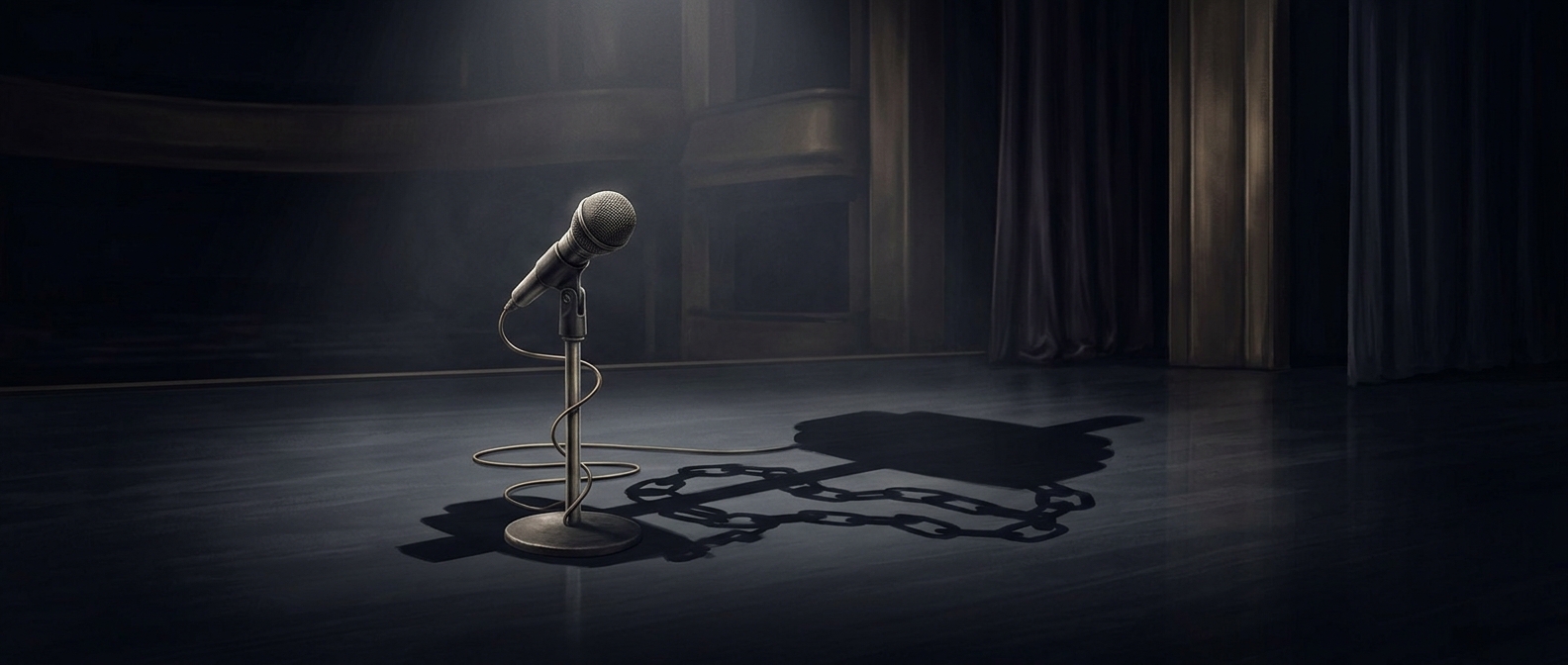
A microphone can look light simply because it is narrow. But appearance says little about the force needed to keep it steady: a solid-metal body can carry substantial weight in a small handle. The fingers must continually squeeze to stop it slipping, while the wrist keeps it pointed where the speaker needs it.
The required grip matters as much as the weight. A narrow or awkwardly shaped handle may give the fingers less comfortable room to support the microphone. And if the hand has to hold it at a particular angle, the wrist and forearm stay engaged instead of getting a natural break.
The strain of holding still
This is a form of static effort: muscles remain tensed without much visible movement. Even a modest load can become tiring when it has to be supported continuously. Small adjustments—repositioning the fingers or relaxing the grip—can help, but on-camera handling may limit how freely a host can move the microphone.
Over an hour-long show, that hidden effort adds up. The microphone’s slim profile may make it look effortless to hold; the real test is keeping the hand, wrist, and microphone steady for the length of the broadcast.