Why the Wheel Resists a Push
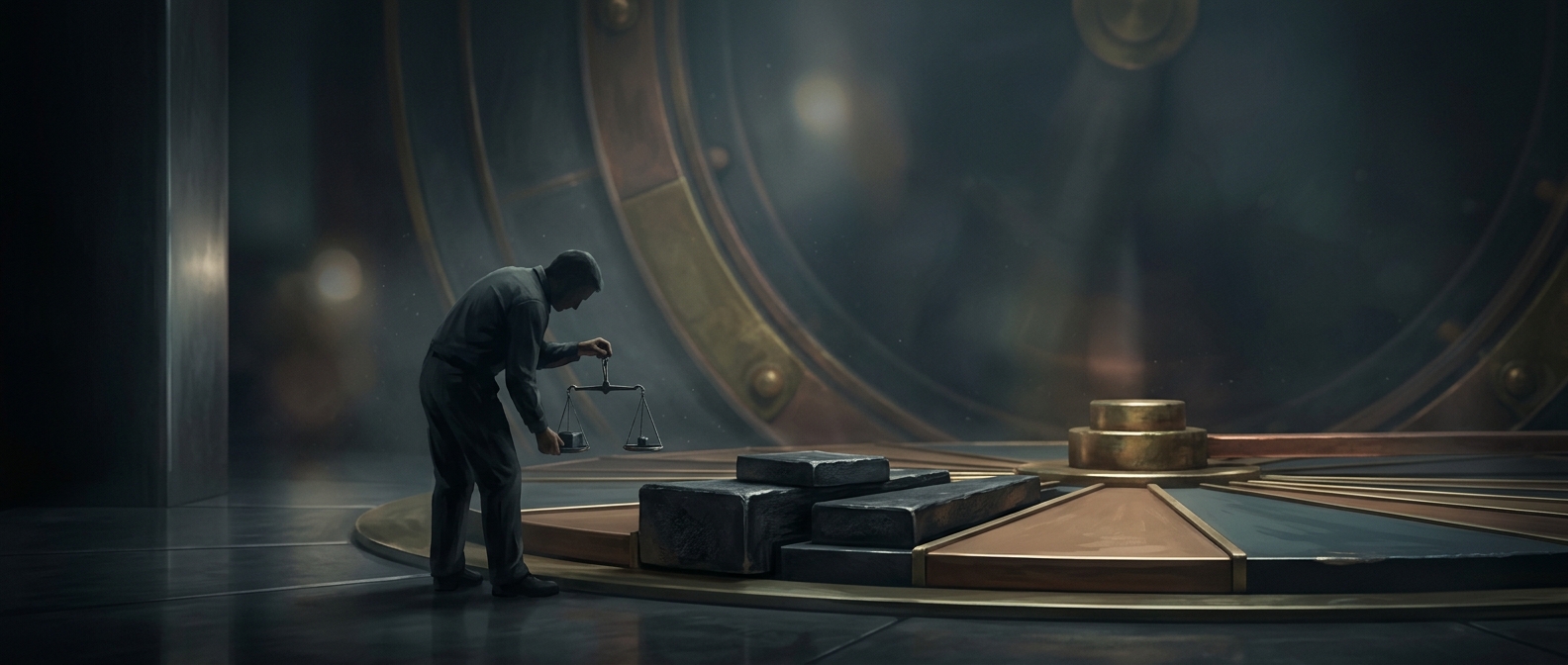
A wheel’s size matters, but so does how much mass it has to move. The Wheel of Fortune prop is reinforced with steel, giving it substantial rotational inertia: its resistance to changes in how fast it spins. Turning it from a standstill takes a firm push because the player must get that mass moving.
Once the wheel is turning, the same inertia helps it keep rotating steadily. A small bump or uneven push is less likely to change its speed dramatically than it would on a light wheel. That is the sense in which the wheel’s motion feels smooth—not that it spins without friction, but that its mass resists sudden changes.
The Trade-Off Built Into the Prop
A lightweight wheel would be easier to start, but it could also react more sharply to each push and lose speed more quickly. A heavier wheel takes more effort to accelerate, then carries its motion through the spin. Players supply the torque—the turning force—when they push the rim; the wheel’s weight helps determine how much force that takes and how its speed changes afterward.
So the dramatic effort is part of the mechanics, not merely an actor pretending to strain: getting the wheel moving means overcoming the very inertia that helps make its long spin look steady.