How a nail can preserve a record of illness
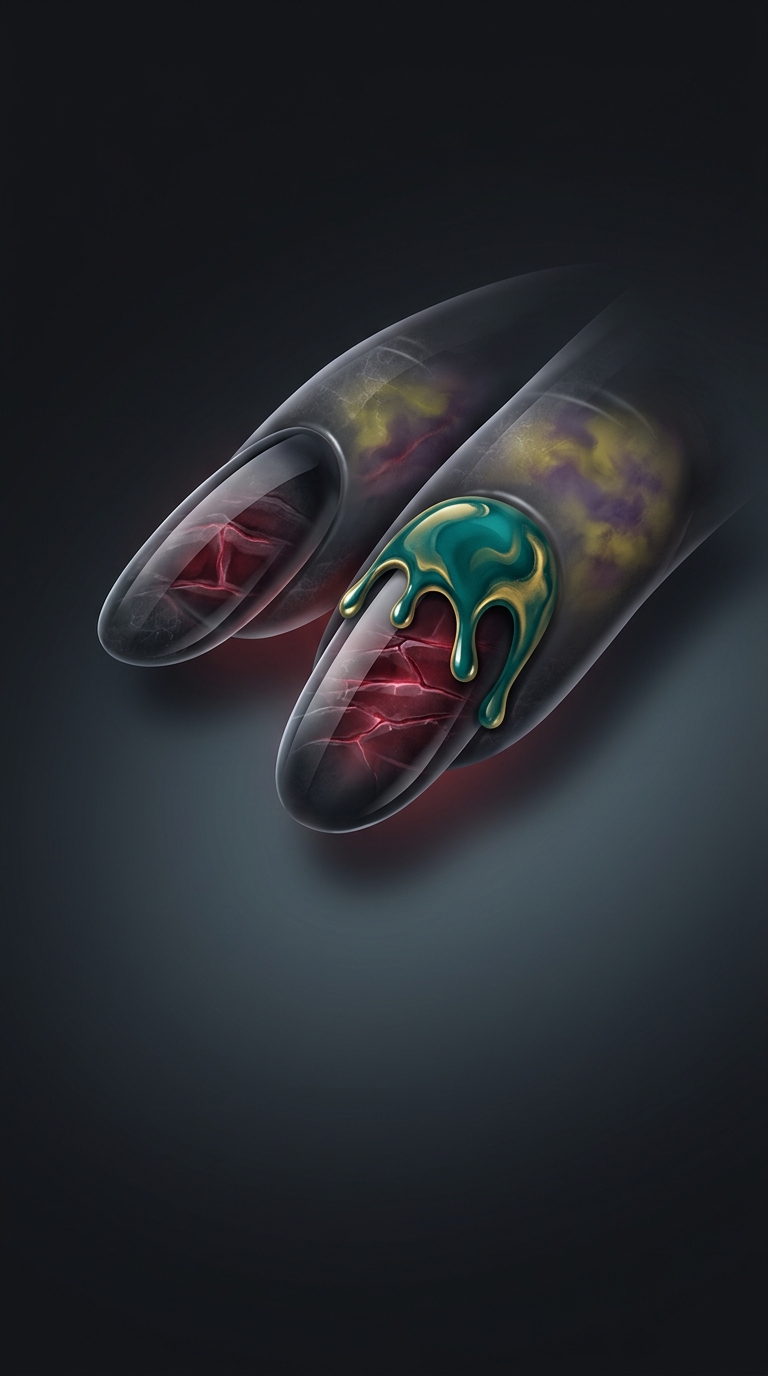
A fingernail is made in the nail matrix, the living tissue beneath the skin at its base. Cells produced there gradually harden into the nail plate and move toward the fingertip. If illness or another major strain temporarily disrupts matrix activity, a groove can form across the nail. This horizontal groove is called a Beau’s line.
As the nail grows, the groove travels outward. Its distance from the cuticle can offer a rough clue to when growth was interrupted—but nails grow at different rates, so it is not a precise calendar. A line may follow a severe infection, surgery, or another substantial physical stress. Injury to the nail itself can also produce a similar mark.
A clue, not a diagnosis
Nails can reflect changes elsewhere in the body because they are built from living tissue and depend on a steady supply of nutrients and blood. Some illnesses affect nail color, shape, thickness, or growth; anemia and liver disease, for example, may be associated with certain nail changes. But many patterns have several possible causes, and ordinary aging, medications, skin conditions, and repeated minor trauma can change nails too.
A single ridge cannot establish that someone had a particular illness—or show that the body literally diverted all its energy from nail growth. The useful information is the pattern: whether changes affect one nail or many, whether they are new or progressing, and whether other symptoms are present. A clinician can assess those details and decide whether testing is warranted.
What polish can hide
Color and surface changes are harder to notice under opaque polish or artificial nails. Removing them is not a medical requirement, but occasionally checking bare nails can make a new change easier to spot. A persistent or worsening change, especially alongside other symptoms, is worth bringing up with a health professional. The nail may preserve a trace of a past disruption; it cannot, by itself, tell you what caused it.