Why a railway rises over low ground
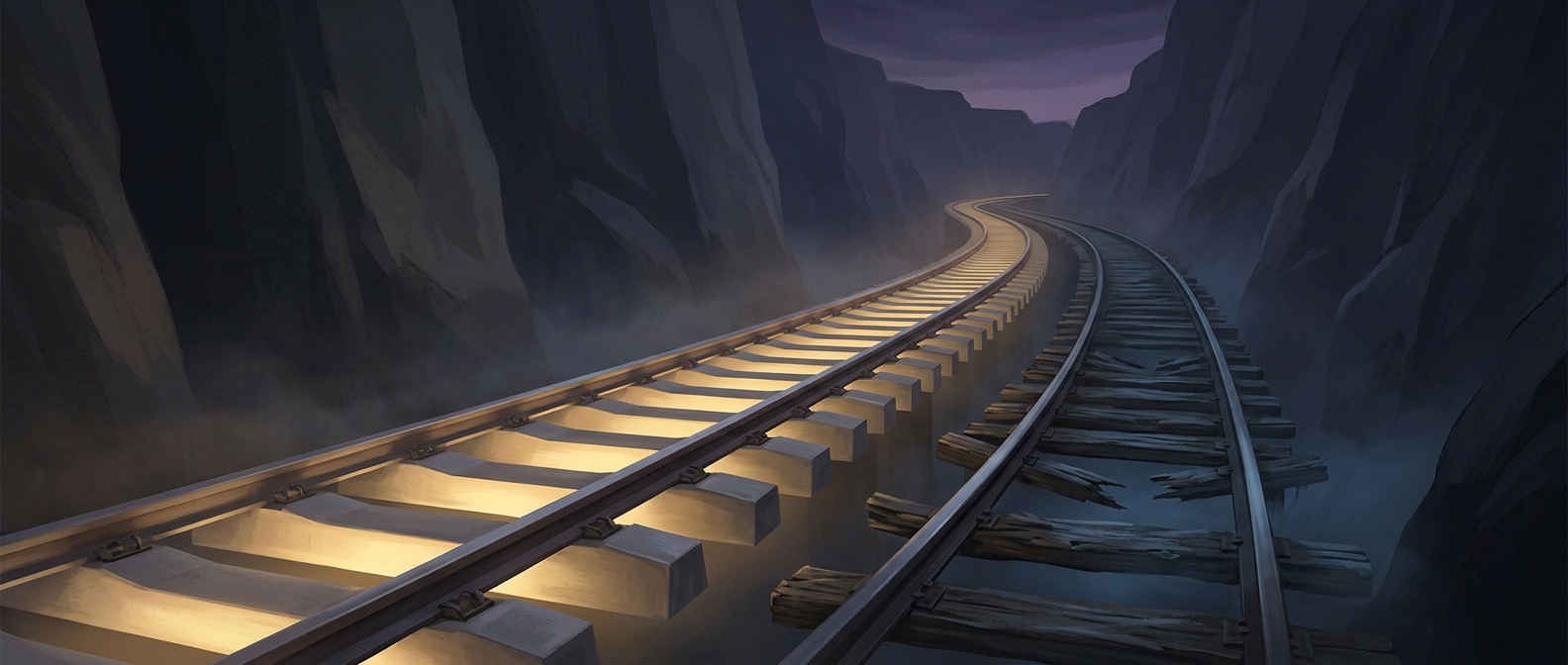
A railway cannot simply follow every dip and rise in the terrain. Steep changes in gradient make trains work harder, and a sudden dip can create an uncomfortable or unsafe change in the track’s profile. Engineers therefore design a route with controlled slopes. Where the natural ground falls away, they can build it up with an embankment—a raised body of earth that supports the railway.
Building a stable foundation
The fill is placed in layers and compacted, squeezing out air so the ground beneath the track is less likely to shift under repeated train loads. The embankment’s sides slope outward rather than forming a sheer wall; that broad base helps keep the mass stable. Drainage matters too: water can soften or wash away soil, so channels and culverts help carry it away or let streams pass beneath the railway.
These details turn what looks like a mound of dirt into part of the railway’s structure. If the fill settles unevenly, the track can lose its carefully designed alignment, so builders must account for the condition of the underlying ground as well as the material piled above it.
The tradeoff built into the landscape
An embankment can keep the railway’s profile gradual without cutting deeply into a hillside or sending the line down into a valley. But it takes substantial material and occupies land on both sides of the track. The raised route is therefore both an engineering solution and a lasting alteration: a man-made ridge that carries trains across ground the railway could not use as it was.