What the Click Means Inside an Arcade Stick
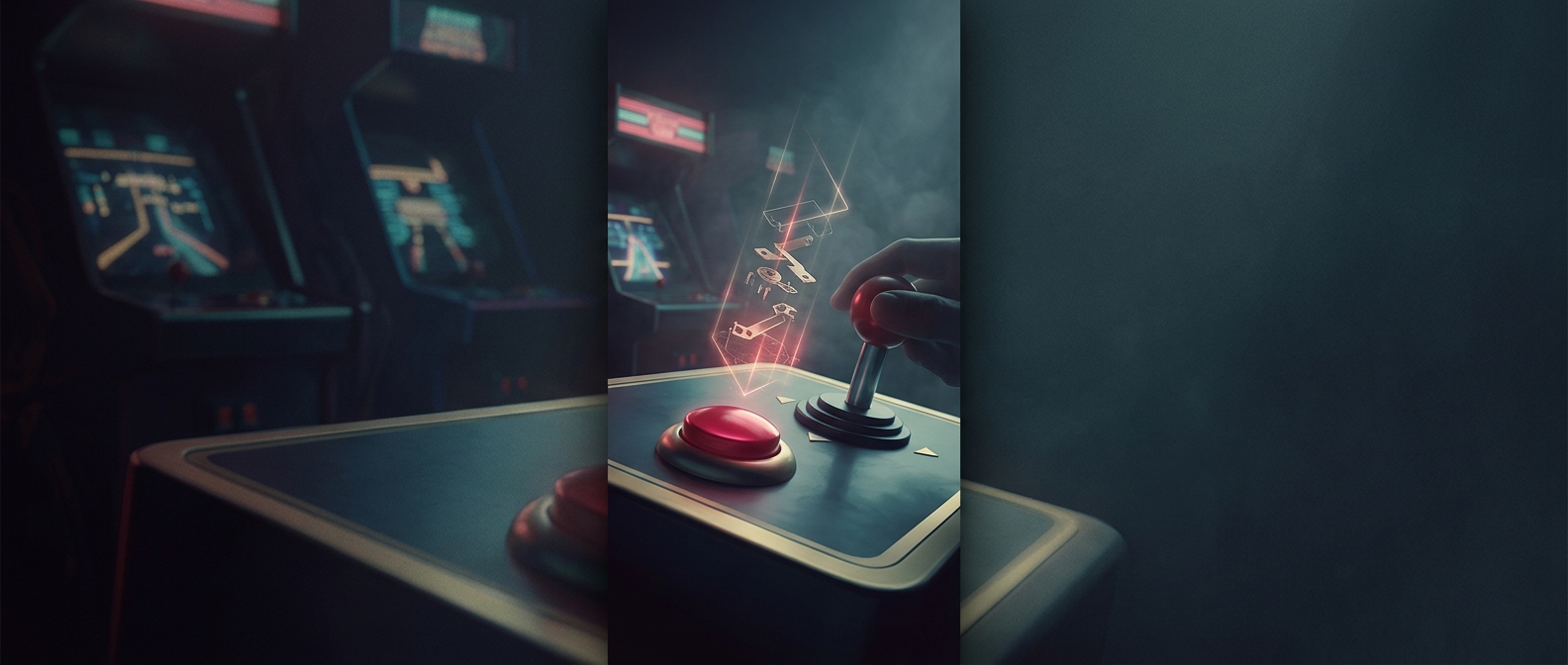
An arcade stick turns a player’s hand movement into electrical signals the console can read. Under each button—and around the joystick’s pivot—small switches sit in the path of the moving parts. Pressing a button or tilting the lever pushes a switch past its activation point, closing an electrical circuit. The controller sends that change as an input.
The audible click comes from the switch’s moving mechanism snapping into position. It is paired with a small, physical change in resistance under the finger or lever: the switch has crossed the point where it registers. That feedback helps a player sense that a press or direction change has gone through without looking down.
Why Feedback Matters in a Fighting Game
In Street Fighter, a move may depend on a quick sequence of directions followed by a button press. A stick’s switches give each motion a distinct stopping point, helping players feel when a direction has engaged and when the lever has returned toward center. Buttons provide a similar cue for attacks.
The click is not a guarantee that the game will perform a move—timing and the game’s current state still matter. But it gives the player immediate information at the controller, where the input begins. In a fast match, that small mechanical signal can make the difference between a deliberate command and a press that only seemed to happen.