A plant spine could trace a record’s groove
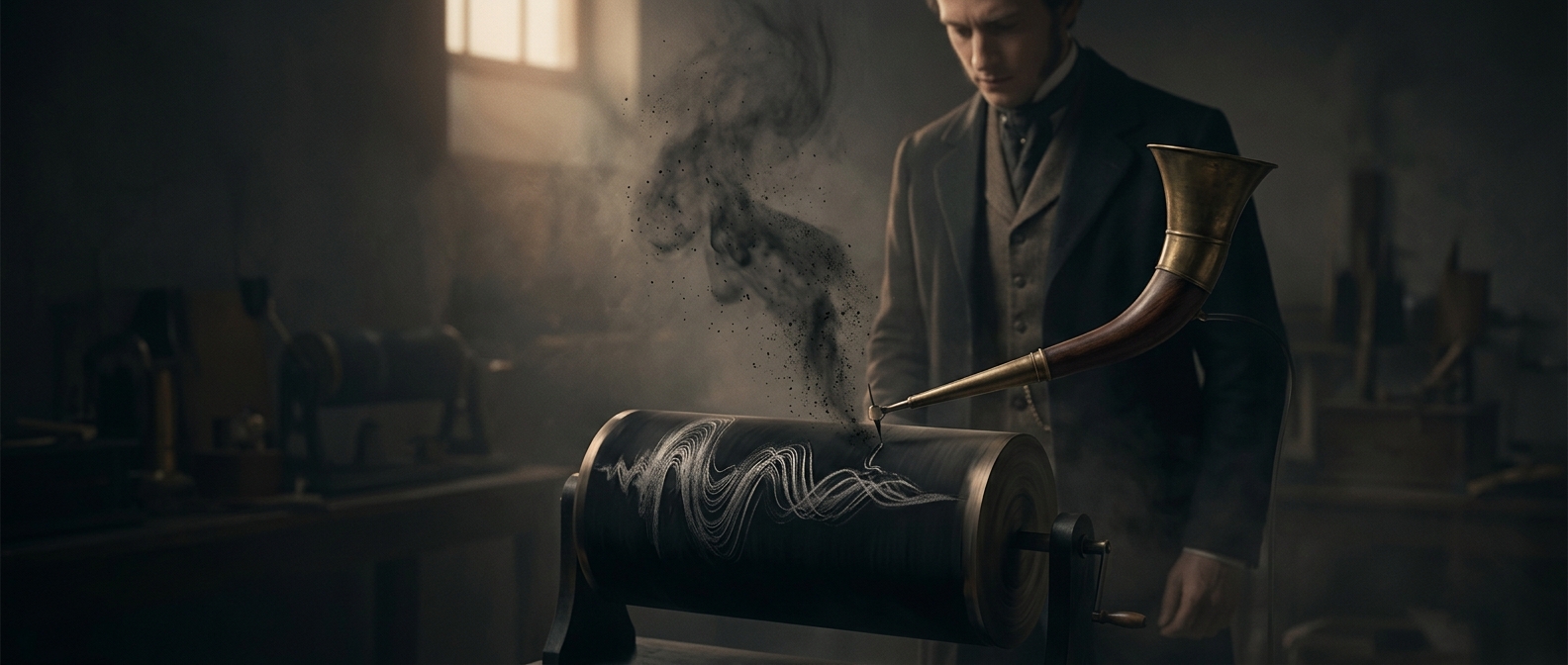
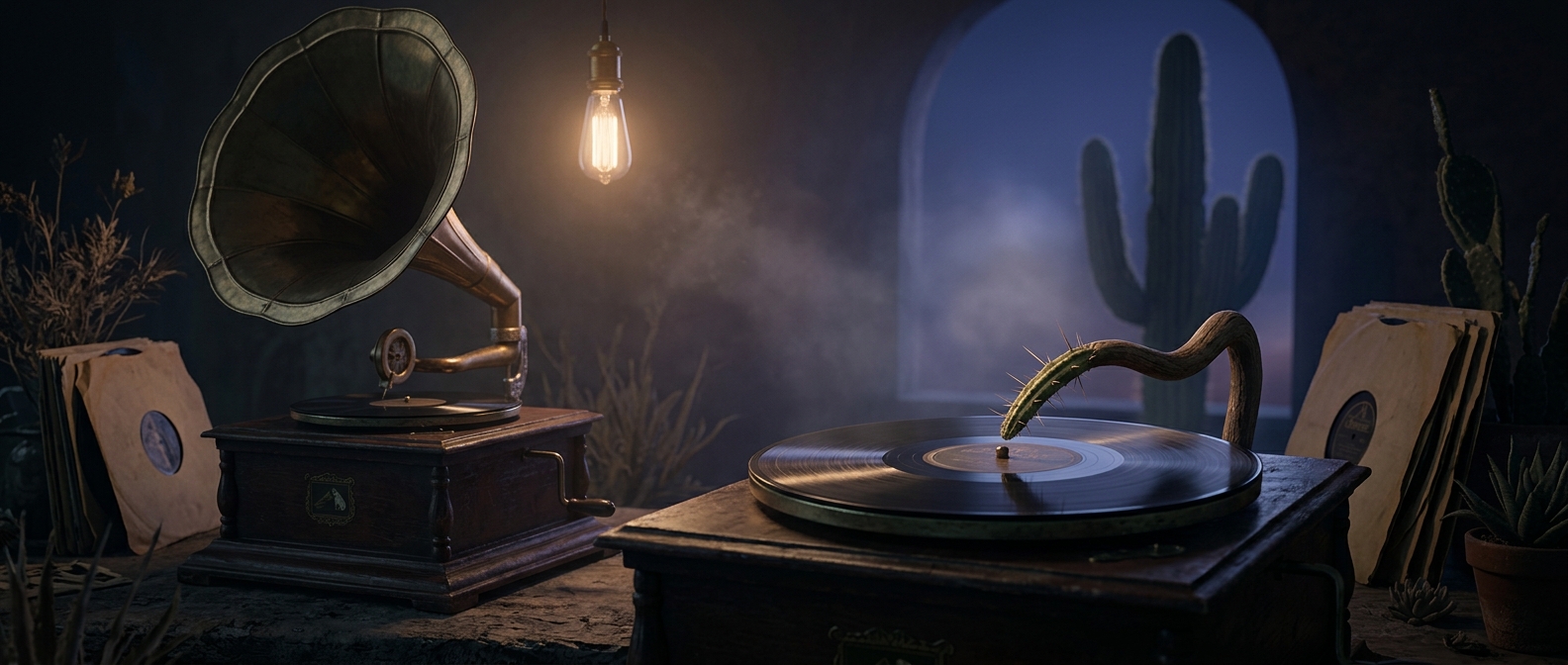
Early record players did not read sound electronically. A needle rode through the groove, whose tiny side-to-side movements made a diaphragm vibrate and reproduce the sound. That made the needle a small but essential part—and a consumable one. Some listeners substituted a sharpened cactus spine for a metal needle.
Why a disposable substitute made sense
A cactus spine was sharp enough to follow a groove and could be thrown away after use. Its appeal was practical: listeners could avoid buying a metal needle every time one was needed. The tradeoff was consistency. Natural spines vary in thickness and shape, so one might track a groove better than another, and a brittle spine could break.
The idea also reflects the mechanics of early playback. The needle was in direct contact with the record, so its material and condition mattered. A worn or damaged tip could affect the sound and the groove; replacing it helped keep the player working as intended. Cactus spines were not a universal upgrade, but an improvised alternative for people willing to prepare and replace them.
A tiny example of hands-on technology
Before playback equipment became more standardized, keeping music going could involve adapting whatever materials were available. A cactus spine turned a household record player into a small experiment: the same groove, but a different point of contact—and a reminder that listening once depended on maintaining the machine one needle at a time.