Disney’s Epcot Was Meant to Be a Working City
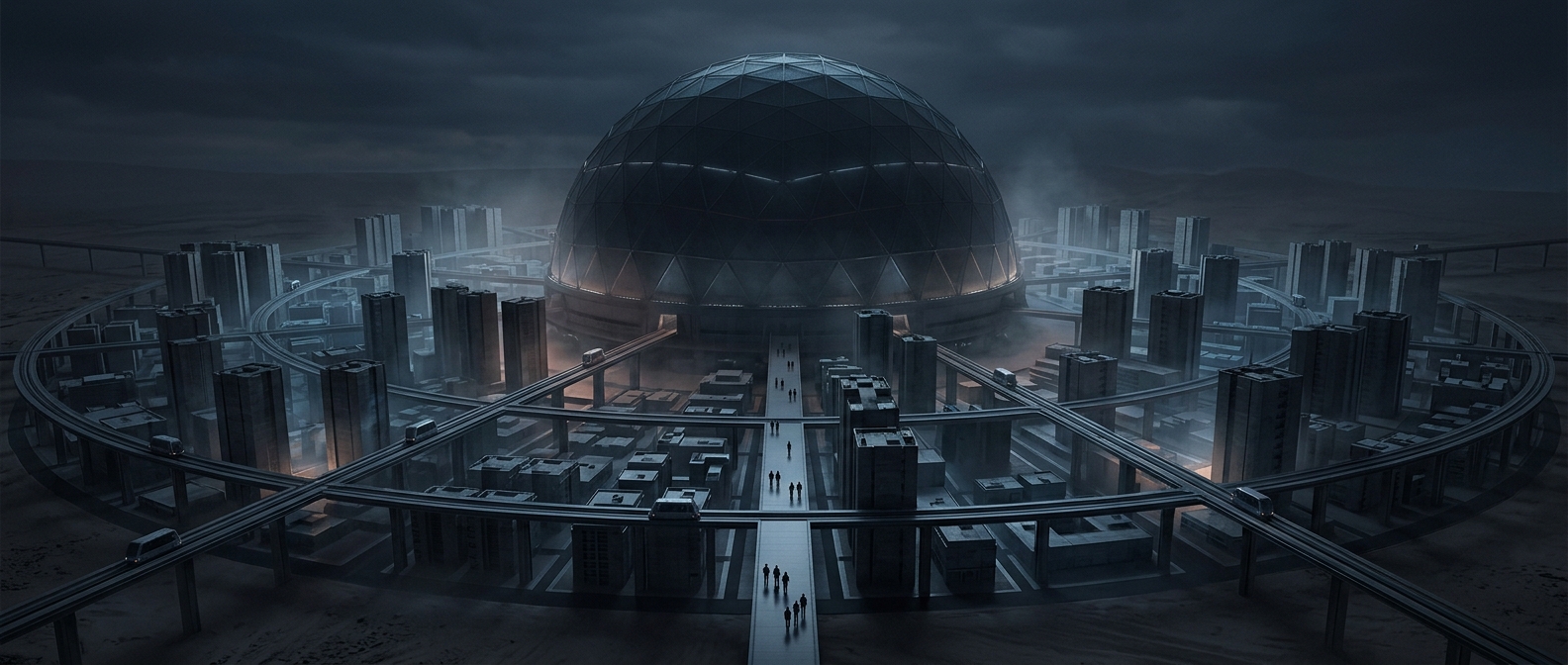
Walt Disney’s original idea for Epcot was not simply a theme park with futuristic scenery. He envisioned a planned community built around new technologies and modern urban design—a place where people would live while companies tested products and systems in everyday conditions. The city itself would be the demonstration: visitors could see how its transportation, buildings, and services worked as part of daily life.
Why Residents Would Have Had Few Civic Rights
Disney proposed that the community be run centrally, rather than as an ordinary municipality. In the plan described for Epcot, residents would not own their homes or vote in local elections. They would live under rules set by the organization operating the project, while companies could introduce and evaluate experimental technology.
That arrangement was tied to the plan’s purpose. A conventional city is shaped by many independent owners, voters, and political decisions; those forces can make it difficult to redesign streets, buildings, or services quickly. A centrally managed community could coordinate changes more easily—but residents would have less control over the place they called home.
The City That Became a Theme Park
Disney died before the proposed city was built. The Epcot that opened later was a theme park, not a residential community, and it did not carry out the original plan for a controlled, technology-testing city. The shift changed the project’s basic role: instead of using residents’ daily lives to demonstrate a designed future, the park could present ideas and national pavilions to visitors without asking them to live under the system.
The striking tradeoff in the original vision was that a more coordinated future would have come at the cost of ordinary civic freedoms. Epcot’s unrealized city would have treated residents not only as neighbors, but also as part of the experiment.